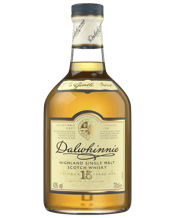


Pull up a seat, pour yourself a dram and brush up on your whisky knowledge.
Scotch whisky is one of the world’s best-loved spirits, but it can also come with a little confusion. There are so many different styles of this complex spirit, which is made in various regions by countless producers, that it can be hard to know what it’s all about. Like, what actually is single malt whisky? What’s the difference between single malts and blended whiskies? And why does the spelling change from whisky to whiskey?
We have all those answers – and more – but ultimately, if you’re right at the start of your Scotch whisky journey, you’ve come to the right place. Scotch whisky is Scotland’s pride and joy, dates back hundreds of years and is absolutely worth getting to know. To help you do just that, we break down some of the basics below.
There’s only one place in the world where Scotch whisky can be made and that’s bonnie wee Scotland. This is a regional designation, just like Champagne can solely be made in France’s Champagne region. So, if it’s not Scottish, it’s not Scotch whisky; you could have a whisky made from the exact same grains in the same way as a Scotch whisky, but if it’s made in the US instead of Scotland, then that’s American whiskey, and not Scotch. Many of our own star producers simply label theirs as Australian whisky – look to Lark, Starward and Hellyers Road, as just three top producers.
There are five different regions within Scotland that are famed for producing Scotch whisky – Speyside, Islay and the Isles, Highland, Lowland and Campbeltown – and each region has its own distinctive style. Islay Scotch tends to be smoky, for example, while Speyside Scotch is fruity and much softer.
Malted barley is the main ingredient – along with water and yeast – but it really does depend from whisky to whisky. While all Scotch whisky was once made from barley, there are actually five types of Scotch:
- single malt
- single grain
- blended malt (a mix of malt whiskies)
- blended grain (a mix of grain whiskies), and
- blended (a mix of both malt and grain whiskies)
Each style will differ in ingredients, methods of production and flavour profiles, but they’re all still classified as Scotch and deliver their own nuances in terms of flavours and expressions.
Good question – and it’s a difficult one to answer, not least because of how much diversity there is across Scotch whisky styles. The most common way to describe the taste of Scotch whisky is ‘malty’, which encapsulates flavours ranging from caramel and nutty to toasty and toffee-like. There’ll also be additional flavours depending on the Scotch’s place of origin and the producer’s signature style.
Scotch whisky from Speyside, for example, tends to have fruity flavours – think honey, apple and pear, among others – while Highland Scotch whisky marries and balances those fruit flavours with the smoky notes that define Scotch from Islay. Our advice is to try various Scotch whiskies from a number of distilleries and regions, and make a note of which ones you enjoy most. Odds are that the same distillery will have a few examples that appeal to your palate, so check out our handy guide to finding your favourite whisky through exploring different flavour profiles.
Scotch whisky is traditionally served neat, though a dash of water or a cube or two of ice are perfectly acceptable as they can help to open up the flavours in the glass. The thing to watch out for is upsetting the balance of flavours, which can happen if the whisky is too diluted or too cold, so go easy and add a little at a time.
If you’re ordering a Scotch whisky at a bar or restaurant, you can ask for it neat with a ‘water back’ and you’ll receive a small glass of water to add to the Scotch as you wish. If you want ice, then order a Scotch whisky on the rocks. But don’t be shy to be led by the bar staff or waiters, especially if you’re in a specialist whisky bar, as they’ll know the list inside out and exactly how each one is best enjoyed.
Scotch is a pretty perfect aperitif or post-dinner sipper on its own, if you ask us, but it can also make magic when served with certain foods. For the classic pairings, you can’t go past cheese and chocolate, but we’re also big fans of Scotch whisky and ice cream (or serve them together like Matt Linklater does in his Blue Ribbon Old Fashioned).
The more pungent cheeses are a great match for smoky, peaty styles of Scotch whisky as the flavours are strong enough to stand up to big personality of these whiskies. When it comes to chocolate, milk chocolate works best with softer Scotch styles, while bitter dark chocolate pairs beautifully with more complex, bolder examples for a match that packs a punch.
It’s also possible to enjoy Scotch whisky throughout a meal, either neat, on the rocks or in cocktail form. The Whisky Highball is a long and refreshing mixed drink that shines alongside all kinds of dishes, while something bolder, like an Old Fashioned or Whisky Sour showcasing Scotch, also work surprisingly well with everything from seafood to charry, grilled flavours.