


Need to change things up from your go-to sauv blanc? Put these wines into rotation.
We’re creatures of habit, you and me. It’s all Friday night pizza and Sunday morning eggs, alarm chirping at 7am, lights out at 11. Structure, routine, familiarity – it’s how many of us keep our needle from slipping off the record – but there’s something to be said for shaking it up and finding something new, too. And when it comes to wine, we reckon that goes double.
Sauvignon blanc, pinot grigio and chardonnay are definitely the go-to white wines for many of us – and with good reason – but if you’ve ever let your eye wander across a wine list, you’ll know there are plenty more white varieties vying for attention. Some are relatively new to these shores while others have been flying under the radar for decades. Regardless, each offers its own flavours, textures and food matches that you’re going to want to try. Here are four styles (and five wines) to get on board with.

Click image to shop
1. Fiano
Fiano is a bit of a newcomer to Aussie vineyards, first popping up at Coriole in McLaren Vale in 2005. The grape traditionally thrives in the warm and sunny Italian region of Campania (as well as the even warmer and even sunnier regions of Sicily and Puglia) but, thanks to climate change and our already hot and dry growing conditions, fiano’s moment in Australia has come. These days, you’ll find fiano making itself comfortable everywhere from the Barossa Valley in South Australia to Queensland’s Granite Belt and Heathcote down in Victoria.
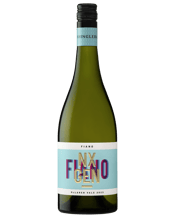
In the glass, fiano is known for its zippy, mouthwatering acidity, full body and flavours that range from honey on toast to mandarin and melon – all of which makes for a seriously good match with spicy South-East Asian dishes, in our opinion. Our current fave, the Shingleback NX Gen Fiano, is a classic Aussie example from McLaren Vale with a velvety texture and flavours like ginger and lemon that’ll do equally well as a late-afternoon-in-the-sun drop or dinner table companion.
Sort of like: The best bits of chardonnay and pinot grigio, together at last.
2. Grüner veltliner
Grüner veltliner (pronounced ‘GROON-er velt-LEEN-er’, just FYI) is Austria’s signature grape. Though it hasn’t exactly hit the big time in Australia just yet, it’s primed to step into the spotlight. As much as fiano loves the heat, grüner relishes the cold – particularly in the upper altitudes of regions such as the Adelaide Hills and Canberra – and this gives the wine a light body with citrusy, herbal flavours and high acidity to match. Depending on the region, grüner veltliner will taste of lemon, lime, nectarine and – odd but true – radish, which is a bit of a signature.
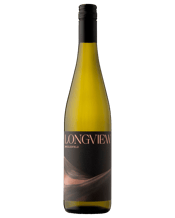
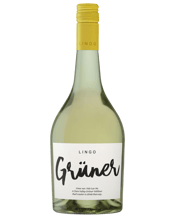
Australia reportedly grows more grüner than the rest of the southern hemisphere combined, so there’s no shortage of local choice. We’ve got two local examples on regular rotation: Longview Macclesfield Adelaide Hills and the Lingo Grüner Veltliner.
The Longview turns to wave in the direction of grüner's Austrian homeland, with all the traditional characters – it’s dry, light, zesty, a little spicy (like, white pepper spicy) and subtly herbal. Lingo is a bit more new-school, showing off lemon-lime flavours, some subtle spices and a slightly more reserved acidity. Both are definite winners with aromatic South-East Asian dishes, but we’d lean towards a seafood match like seared scallops or beer battered flathead.
Sort of like: Riesling with some extra meat on the bones.

Click image to shop

Click image to shop
3. Vermentino
Like fiano, vermentino is a more recent Italian variety for Australian wineries, making its debut in 2004 thanks to Chalmers. It’s found all over Italy, but it does its best work in the sunny climes of islands like Sardinia and Sicily, and coastal regions like Liguria. Vermentino prefers the warmer spots on our side of the globe, too, finding space among vineyards in McLaren Vale and the Murray Darling.
Wherever it's grown, vermentino tends to produce wines that are light with a silky texture, bright without being overly acidic, and aromatic without punching you in the nose – balanced, in other words. You’ll typically find flavours like pear, lime and grapefruit, as well as the ever-so-subtle bitter finish that some wine people liken to green almond.
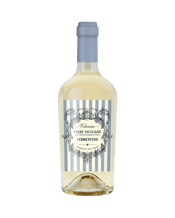
If you’re new to the style, start with our current go-to vermentino, Sicilian import Velarino Terre Siciliane. It’s got moreish flavours of stone fruit and apple, is light, bright and crisp, and a foolproof food match for everything from creamy and garlic-heavy pasta dishes to grilled seafood and herby roast chook.
Sort of like: Sauvignon blanc, but without the tropical bits.
4. Arneis
Arneis (pronounced ‘ahr-nayz’) is a grape originally from – bet you’ll never guess – Italy! Oh, you did pick it? Well, if you’re seeing a pattern here, there’s a reason for that: Italy is home to more than 350 varieties of wine grapes and, between waves of Italian emigration and our insatiable appetite for the new and exciting, it seems we can always trust our favourite boot-shaped country to come up with the goods.
Arneis comes from Piedmont in Italy (it apparently means ‘little rascal’ in the local dialect), but it’s found an Aussie home in the Little Italy of Victoria’s King Valley, as well as the Yarra Valley, Adelaide Hills and Tasmania. Arneis pops with aromas like nashi pear (which is sort of its calling card), apricot and white flowers. Our pick from Pizzini is all that plus a little zingy citrus to round it all out. Believe us when we say this is a wine that works best with everything, from creamy mushroom risotto to delicate sashimi.
Sort of like: Pinot gris holding a bouquet of flowers.

Click image to shop




%20(1)?$dans-daily-web-image$&hei=900)
?$dans-daily-web-image$&fmt=png-alpha&wid=800)