


How place, time, seasons and climate can transform tequila and mezcal.
When we open a bottle of wine, we uncork a time capsule containing a year of soil, climate and terrain. The valleys, seas and mountains are all captured in a single vintage. We don’t just drink it; we consider its taste, aroma and texture. Everything about its journey is there in the glass, waiting to be discovered. That story is what we call terroir.
If a single vintage can say so much in a bottle of wine, what about spirits like tequila and mezcal? They’re made from agave plants that have been growing for around six years, and up to 12 years and more in some cases. Surely terroir has something to say here, too.
Mexico keeps tequila and mezcal production close to its chest, with strict laws protecting tradition and taste. Only spirits made on home soil – and only in the states of Jalisco, Guanajuato, Michoacán, Tamaulipas and Nayarit – can carry those names.
Tequila comes solely from Blue Weber agave, a plant that takes on average around six years to mature before being hand-harvested to protect the piña, its sweet heart. That purity makes tequila ideal for exploring terroir and how subtle shifts in soil, what’s fruiting in the area, fungus blooms, airborne yeast, climate and altitude shape flavour. The nuances can be delicate, though many jimadors, the people who harvest agave, will tell you they can taste the difference right down to the metres.
With tequila consistently made from only one type of agave, if subtle differences in soil, climate and altitude can be tasted anywhere, it’s here. Some argue that yeast and ageing define tequila’s flavour more than the land itself, while others swear terroir is the true soul of tequila production. In reality, both matter. As the jimadors say, before the tequila, there is the agave.
The five legally designated states for tequila mentioned above share rich volcanic soil, scorching days and cool nights – the ideal recipe for slow, steady agave growth. Within those areas, though, you’ll find pockets of microclimates and subtle soil differences that give each tequila its own quiet expression of terroir.
Los Altos de Jalisco, The Highlands
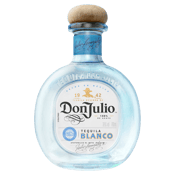
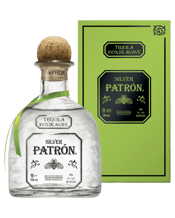
The highlands of Jalisco are perhaps the most celebrated of all tequila-producing regions. Perched at higher altitudes, the area enjoys a cooler climate, more rainfall and that signature iron-rich red soil. It’s perfect for growing agave plants that are slow to mature and often grow much larger. The result? A naturally sweeter agave, producing tequilas that are more floral, fruit-forward and silky on the palate. Some of the best-known names from this region include Don Julio and Patrón.
Valle de Tequila, The Lowlands
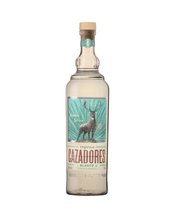
The Jalisco lowlands, also known as the Tequila Valley, sit around 3,500 to 4,000 feet above sea level and are known for their rich, volcanic, mineral-heavy soil. The warmer climate and lower altitude make it tougher to grow agave here, so the plants face more stress, maturing faster and staying smaller. That struggle shows up in the flavour; the agave develops an earthier, more robust profile, giving lowland tequilas (think Herradura or Cazadores) their peppery, herbal edge. The mineral-rich soil also leaves a distinct, mineral note that sets these tequilas apart.
Nayarit
Lesser known than its Jalisco counterpart, Nayarit offers a mix of altitudes, lush fertile valleys and shifting climates, which can make its terroir less defined. But its coastal proximity adds a unique twist: agave grown here often carries a subtle hint of salinity, and it’s usually bright and fruity.
Guanajuato
Higher altitudes, expansive sandy, almost desert plains and interesting microclimates make interesting growing conditions for tequila as well as wine (it’s been pipped as the next big wine region). The high-altitude fields and cooler temperatures contribute to a slower maturation of the agave, resulting in tequilas that are floral, subtle yet complex, with a long finish.
Tamaulipas
The northernmost region, Tamaulipas has a semi-arid climate, with hot summers and mild winters. The mix of steady sunshine and shifting humidity grows hardy agave that produces tequilas that are smooth and slightly sweet, often showing gentle notes of citrus, fruit and a touch of earthiness.
Michoacán
The Michoacán region is defined by its deep, volcanic soil rich in minerals. With a sub-tropical climate, warm, dry days and cool nights, it offers ideal conditions for agave to mature slowly. The result is tequila that leans sweeter and more mineral-driven.
Where tequila only ever uses one type of the agave plant, mezcal can use up to 200 different species, which each bring their own unique flavour. Legally it can be made in nine states: Oaxaca, Durango, Guanajuato, Guerrero, San Luis Potosí, Tamaulipas, Zacatecas, Michoacán and Puebla. That range makes mezcal a wildly diverse spirit. Species, soil, climate and production methods all leave their mark, especially since most mezcal is made in small batches by hand. That makes its flavors harder to categorise in terms of terroir, but it’s also what makes mezcal so compelling.
In general, mezcal terroir follows a pattern: up north, dry desert climates tend to produce earthy, more restrained spirits. Head south or toward the coast, and you’ll find mezcals with subtle hints of salt or tropical fruit, thanks to the ocean air and lush surroundings.
Tequila and mezcal are shaped as much by place, time and climate as by process. Highland red soils, coastal cliffs and pine-covered mountains leave their fingerprint on every bottle and story in every mouthful. As long-time mezcal producer Eduardo Ángeles once said, “You don’t just taste the agave – you taste the hands that made it, and the land it came from.”


%20(1)?$dans-daily-web-image$&hei=900)
?$dans-daily-web-image$&fmt=png-alpha&wid=800)