

%20(1)-1?$dans-daily-web-image$&wid=1400)
How oak changes the taste, texture and style of this great white.
Chardonnay is the popstar of the wine world. After all, chardy is wildly popular (being the most-planted white wine grape on the planet), it hangs out with our favourite big names (like pinot noir when in sparkling-wine form) and the biggest producers all love putting their own spin on it. And just like with popstars, people tend to have some very strong opinions about the quality of chardonnay. Sabrina’s got nothing on chardy.
One reason for all the opinions is that chardonnay is extremely versatile, so it comes in a spectrum of styles and flavours. And especially when it comes to the use of oak, those styles can be very different, ranging from bright, lean and punchy to rich, textural and buttery. Depending on your palate preferences, you might end up liking one much more than the other, which is exactly why we thought we’d give you the full rundown on oaked versus unoaked chardonnay.
Oaked or not, we reckon there really is a chardonnay for everyone – you just have to know what you’re looking for. Ready to find your chardy? Let’s dive in.
Long before air-tight plastics and stainless steel were around, one of the best ways to store wine was in a wooden barrel. Oak is just one of the woods people have used over the years, but it has stuck around for a couple of reasons.
First, oak is really good at storing wine since it lets in just a little oxygen but keeps most air out. This helps the wine soften and age nicely before it’s bottled. Second, oak adds flavour and texture to a wine. Winemakers really only use two types of oak for barrels – American oak and French oak – and both impart slightly different flavours. American oak typically results in that big, rich style of chardonnay, with classic flavours like vanilla and coconut. French oak is a little softer and can add subtle flavours like clove or nutmeg.
Oaked chardonnay isn’t an all-or-nothing situation – the best winemakers know how to use oak to get the style they want, and that can mean going anywhere between heavy and light (if they choose to use oak at all). But to illustrate the differences, we think it’s helpful to look at both ends of the oak/no-oak spectrum:
Unoaked
On one side, we have wines like Chablis, a French style from Burgundy famed for being crisp, minerally and brightly acidic. Wines in this style are often aged in stainless steel or very old oak (which has long since lost its flavour). These types of wines are usually from cool-climate regions, making for bright, zesty chardonnay. By not using oak, winemakers try to preserve this flavour profile rather than soften it.
Oaked
On the other side are heavily oaked styles. Usually, these are wines like Californian chardonnays that fatten up under that hot West Coast sun. American oak, which is usually preferred for this style, adds rich, sweet flavours like vanilla and coconut, along with toasty notes and a velvety, buttery texture. Using oak like this really adds a lot.
It’s the stuff of wine daydreams: taking a sip of chardonnay at a friend’s house, having never tried the wine before, and declaring with confidence, “Oh yes, there’s definitely a good whack of American oak in this drop.” Well, it’s a daydream for people like us, anyway.
It’s not always so easy to tell if a wine has been oaked – particularly when oak is used subtly. If you want to be able to pick out those telltale signs of oak, the best thing to do is taste a lot of wine with oak and commit the flavours to memory. Here’s what to look for:
Sweet, confectionery flavours like coconut, toffee, creme brulee – all signs of American oak
Baking spice flavours like cinnamon, nutmeg and clove – the signatures of French oak
Toasty flavours. Oak barrels are often charred and this can leave a taste just like a lovely bit of toast
Buttery texture and flavour. The little bit of oxygen allowed in by an oak barrel helps wine undergo a process called malolactic fermentation, which changes the green apple-like malic acid for the buttery lactic acid. The result is a flavour like the butter on movie theatre popcorn and a creamy texture to boot.
Nothing beats a good wine and food pairing, and the beauty of having such a spectrum of oaked and unoaked chardonnay flavours is that it opens up a bunch of pairings. Here are some ideas to get you started.
Unoaked chardonnnay pairings
One of the best things about wine like Chablis and other unoaked chardonnays is they are super food-friendly. Acidity – something these styles often have in spades – is perfect for cutting through fatty foods or adding a zingy note to delicate dishes. Definitely consider unoaked chardonnay for creamy pasta or risotto dishes, roast chicken or pork (especially fatty cuts like pork belly), seafood, fried dishes and salty snacks.
Oaked chardonnay pairings
Oaked chardonnay is often bigger bodied and can be rich but, as long as it’s got some acidity underneath, it’ll still make a great match with food. Oaked chardonnay pairs with some of the same dishes as the unoaked styles – like creamy pastas and roast chicken or pork – but rather than balancing the richness, it’ll add to it. This also makes oaked chardonnay a great (and extremely indulgent) pairing with dishes like fried chicken or grilled salmon. Everything feels like a special occasion with a big, buttery chardy.
Click image to shop
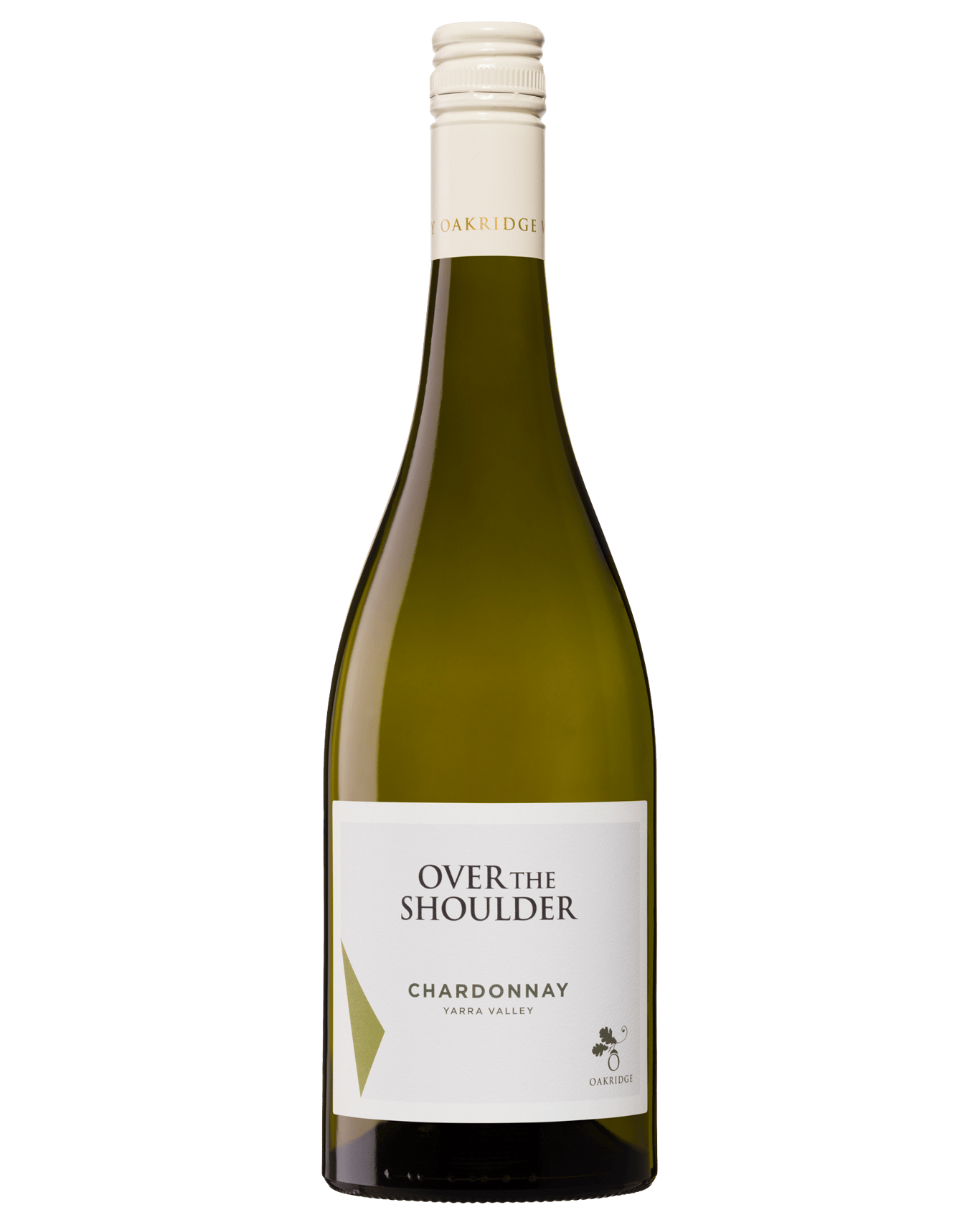
1. Crisp/unoaked: Oakridge Over The Shoulder Chardonnay
Oakridge is a winery that shows why Victoria’s Yarra Valley is such a great wine region. And with its Over The Shoulder Chardonnay, it does that by delivering a crisp and clean unoaked style. It means we get all those classic chardy stone fruit flavours coming through, plus a nice little whack of acidity. Fresh, easy-going and perfect with your roast chook.
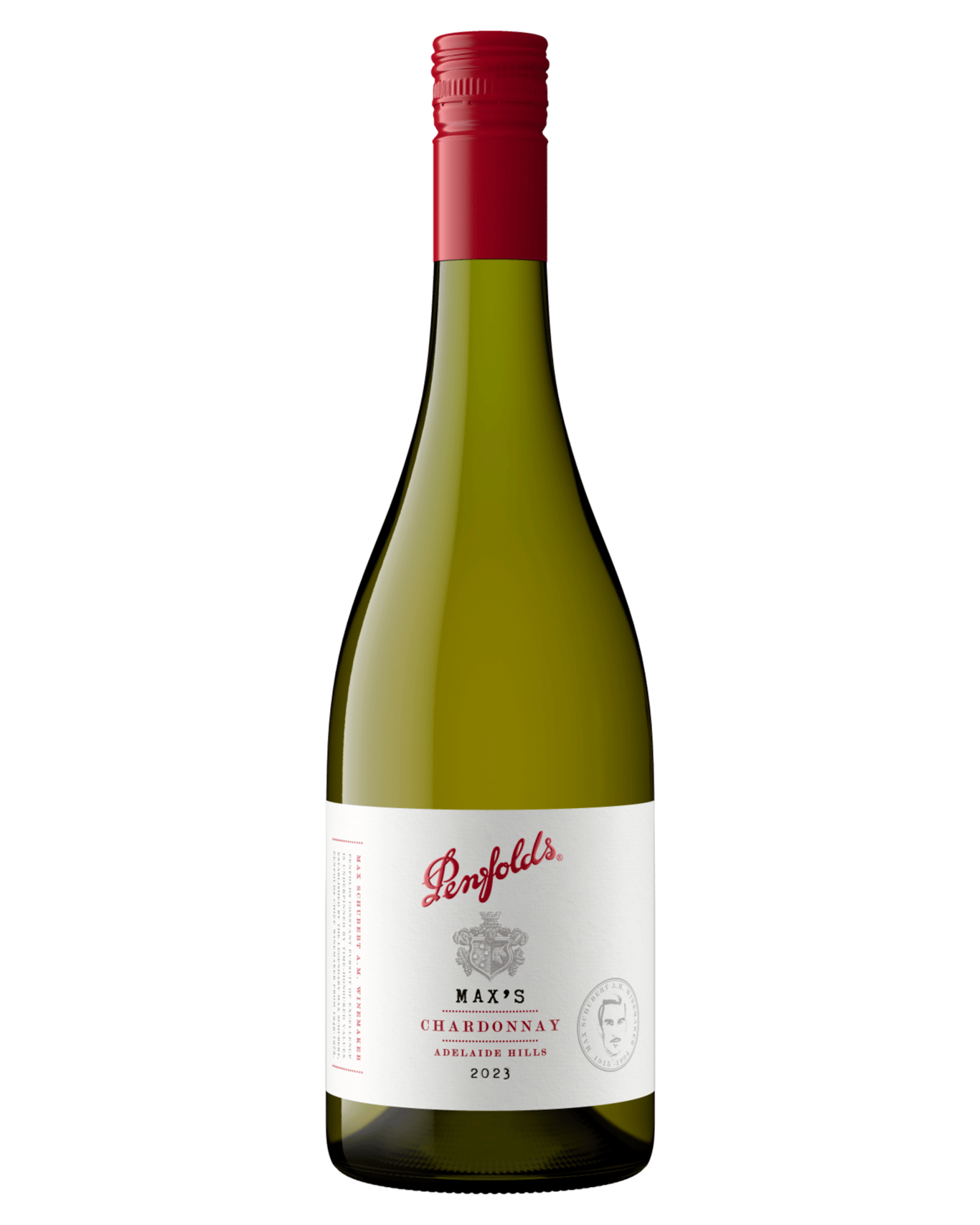
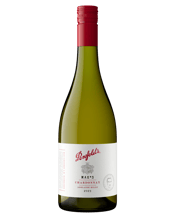
2. Lightly oaked: Penfolds Max’s Chardonnay
With its cool climate, the Adelaide Hills is becoming a real star of the chardonnay world – and wines like this Max’s chardonnay from Penfolds show exactly why. You get those zippy, cool-climate chardonnay flavours here – nectarine, green apple, citrus – but it’s the addition of a little time in French oak that takes it up a notch. Creamy creme brulee and toast notes come through to give this a little richness and plenty of complexity for the price.
Click image to shop
Click image to shop
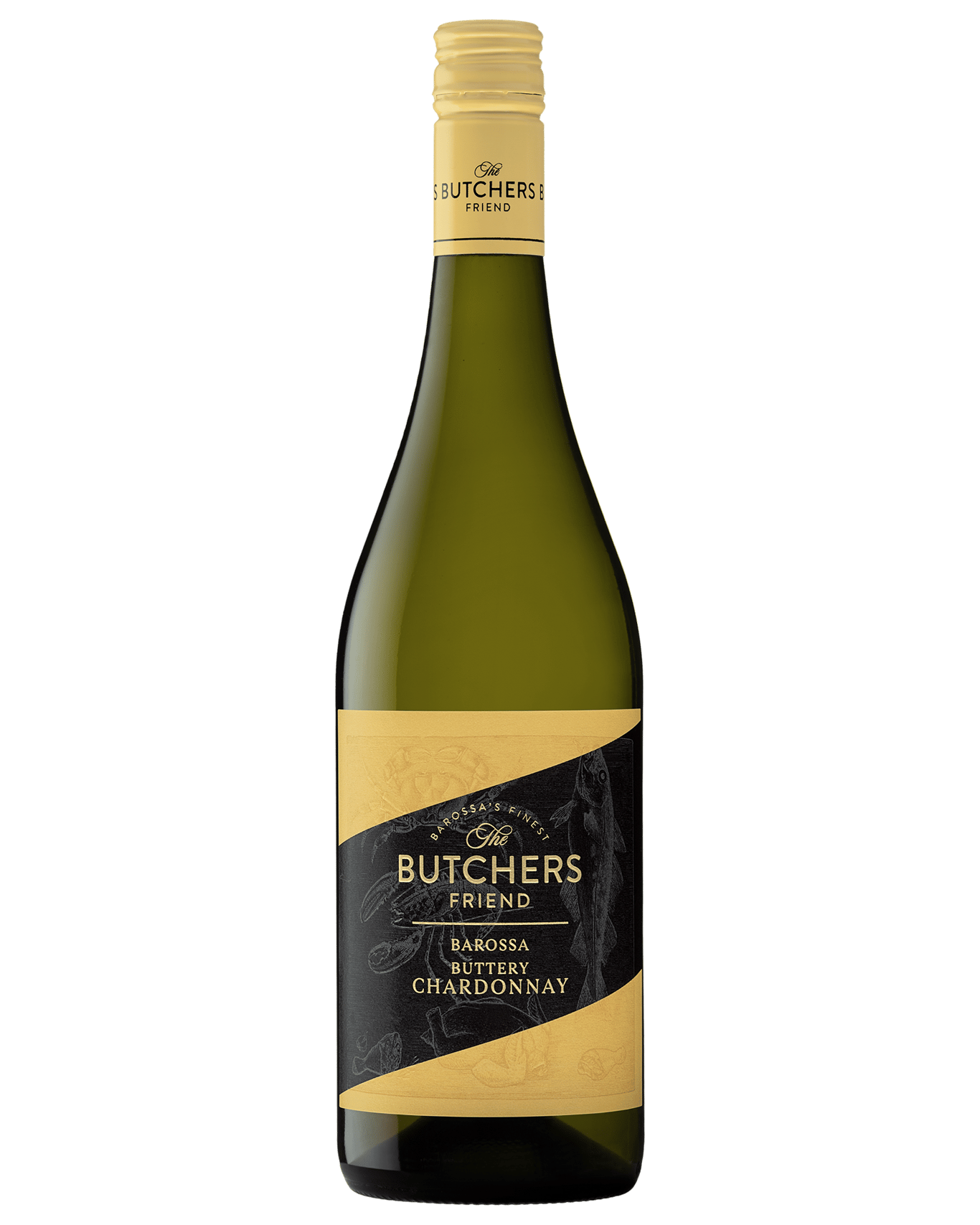
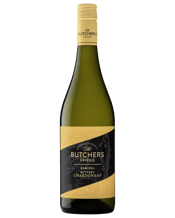
3. Buttery/heavily oaked: Butchers Friend Buttery Chardonnay
Like its Californian equivalents, Barossa chardonnay appreciates its time in the warm sun. Here, that makes for a fuller-bodied style of chardonnay to begin with, and it all gets dialled up again from time spent in oak barrels. There’s that American oak vanilla flavour coming through alongside the peachy chardonnay flavours, while the oak also contributes a buttery and rich texture. This is a great example of an oaky chardonnay with plenty of finesse – and it’s a winner with creamy pasta or risotto.




%20(1)?$dans-daily-web-image$&hei=900)
?$dans-daily-web-image$&fmt=png-alpha&wid=800)