


Spritzy, sustainable and a little bit out-there, welcome to the wonderful world of piquette.
If you’re into pét nats, seltzers or sour beers, there’s a very good chance you’ll love piquette (pick-ette). That’s if you haven’t discovered it already. Like most things in the wine world, piquette has been around for centuries – the ancient Greeks and Romans were into it way back when – but it’s much newer for us here in Australia.
Ticking so many of the boxes we’re looking for in a drink these days, piquette is fizzy, lower in alcohol (roughly around 5% ABV, but check your labels), sustainable, easy-drinking, affordable, and a little bit funky, too. It’s the ideal choice for all those sunny catch-ups and upcoming parties: chill it down, open it slowly – and away from the picnic rug as they’re prone to overflowing – and enjoy it with friends.

Click image to shop
So, what is piquette?
Like so many great food and drink creations, piquette began as a savvy way to make use of by-products, traditionally enjoyed by farmhands, vineyard workers and their families, rather than sold to customers.
The first thing to know, though, is that it’s not technically wine because it isn’t made from fermented grapes. Instead, producers take the leftover skins, seeds and stems – known as pomace or marc – that have been used to make a wine, add water and ferment the remaining sugars. Ideally, when the alcohol and sugars hit the right level, the piquette is bottled, kickstarting secondary fermentation to create that signature fizz.
While it sounds simple in theory, making piquette can be a tricky balancing act of keeping the wrong bacteria at bay and the right bacteria in check, which is what gives it that enticing, funky tang. Sometimes a winemaker might need to make a few additions to fine-tune the batch – sugars or even botanicals, for example – but that’s all part of the fun. Piquette is unpretentious and playful, a space where winemakers can shed the restrictions of traditional wine, breeding delicious results.
Sustainability in focus
Essentially, what you get from this process is some of the first wine’s flavour, sugar and acid, just in a lighter, spritzier format. While the style is closely tied with France, nearly every European winemaking country has its own version – for example acqua pazza or vinello in Italy.
With the present-day focus on reducing, reusing and recycling, it’s no surprise piquette is making a comeback – we’re suddenly spoilt for choice with modern, Australian-made piquette. Any type of grapes can be used to make piquette, so no two styles are ever the same, resulting in a delicious mixed bag of bright, refreshing flavours.
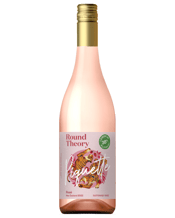
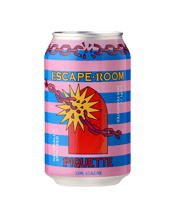
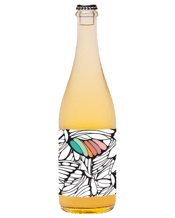
Compare, for example, the Round Theory Piquette Rosé, which is full of berry notes, to the sangiovese-based Escape Room Piquette, described as a “lo-fi seltzer”, and the zippy Social Butterfly Blanc Piquette that’s super-fruity, thanks to the sauvignon blanc skins that went into it.

Click image to shop

Click image to shop
"Grape-flavoured sour beer"
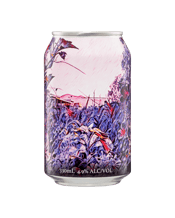
The team at Oakridge in Victoria’s Yarra Valley have played with the style for some time and recently launched their inaugural Garden Gris Piquette. Senior winemaker Tim Perrin refers to it as upcycling. “We’re giving something that was destined for compost a second chance at life,” he says of the pinot gris skins used. These skins, which had already made Oakridge’s skin-contact Garden Gris, were destemmed and fermented, before, indeed, becoming compost. At Oakridge, that gets spread through the kitchen garden and vineyards, giving it yet another life.
Tim says they chose pinot gris for their piquette because it gives such a great pink colour. “Gris also has different fruit characters, such as pomegranate and crushed spice,” he says. As for what their piquette tastes like? “Grape-flavoured sour beer.” Coming in at a very beer-like 4.9% ABV, Tim suggests serving it chilled on a sunny day. “It’s a beverage for fun and enjoyment – for the throat and not the mind!” he says. Adding to this lo-fi refresher’s easy-going appeal is the fact it comes in a can. “I really liked the appeal of it,” Tim says. “We put some cool artwork on there, and it’s just the right size for the drink.”
Fizzy, crisp and easy to drink
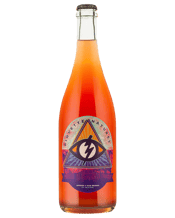
In South Australia’s Adelaide Hills, BK Wines are no strangers to lo-fi drops. The duo behind the winery, Brendon and Kirsty Keys, have been turning out minimum-intervention wines for years, winning over traditional wine critics in the process. Now, they’ve added the 3.6% ABV Good Name No #3 Piquette Naturel to their range – a refreshing blend of pinot noir, chardonnay, grüner veltliner and pinot gris.
Kirsty says they chose those grapes because they’re the main ones they use in the winery, so it helped them to eliminate waste while also creating an interesting, new, low-alcohol drink. The duo added filtered spring water to the grape marc and, as with their typical hands-off approach to everything in the winery, they left it to do its thing and ferment, before bottling their striking, ruby-hued No #3 (you can’t miss it).
Fizzy, crisp and easy to drink, its flavours, Kirsty says, are like grapefruit and refreshing bitters, with a “yeastiness” on the finish. And like Tim at Oakridge, Kirsty likens it to a funky beer. “It sits more in the sour beer style, and definitely not to be thought of as a wine.” Kirsty also echoes Tim’s thoughts as to when we should reach for piquette. “Drink cheerfully and light-heartedly in place of something that isn’t wine,” she says. “Any time is a good time for piquette.”

Click image to shop



%20(1)?$dans-daily-web-image$&hei=900)
?$dans-daily-web-image$&fmt=png-alpha&wid=800)