


Moondrop’s Steven Chan and Ho Jiak’s Junda Khoo share their traditions and dishes, old and new.
When Junda Khoo (top right) and Steven Chan (top left) reflect on the Lunar New Years of their childhood, they both talk about massive family gatherings, incredible feats of home cooking and a guaranteed chaotic energy. Now that they each run bars and restaurants that celebrate their heritage, that chaos has only grown.
Junda is the chef and owner of Sydney CBD favourite Ho Jiak, and he recently expanded his Malaysian venues into Melbourne with a three-storey, three-venue dining destination. This brings his total number of restaurants to eight. Yes, he’s been busy (Ho Jiak even made its Australian Open food-stall debut this year). Having grown up in Malaysia, Junda’s venues showcase his take on traditional food, street food and homestyle dishes, largely inspired by his grandmother’s cooking.
Junda says he spends the 24 hours after the first moon of Lunar New Year visiting his restaurants and teams, armed with lucky red envelopes. The traditional lion dance also weaves its way through the venues. “The rush is totally worth it,” Junda says. “You only get this one day a year, and I love it.” He also then hosts his own family celebrations that night, and, yep, he cooks that, too.

For Steven, who grew up between Sydney and China’s Guangzhou, this will be the first year he goes big for Lunar New Year at his Melbourne venues – Sleepy’s Cafe & Wine Bar in Carlton North and his new Fitzroy cocktail bar Moondrop (pictured), which draws on the old-world glamour of 1920s Shanghai. Steven will celebrate with a month of mahjong nights, lucky red envelopes for early arrivals, and a menu of cocktails infused with the likes of baijiu, MSG, Chinese tea and Chinese coffee, thanks to Gertrude St neighbour Calēre.
Steven is excited to share the tradition of gifting red envelopes with his Sleepy’s and Moondrop communities. “Something I really love about Lunar New Year, other than eating and drinking a tonne, is that as a broke-ass single boy or girl, every adult, for cultural reasons, has to give you a red packet that usually contains money. I’m excited to have our own pseudo version of that at the shop,” he says. There will also be a lion dancer, despite not quite having the space for it; Steven thinks that will only make the experience even better.
“My amah [grandmother] had an amazing ability for getting every single relative back from all over the world, just so we could all be sat at the same table, eating her food,” says Junda. “The house would be packed morning ‘til night with kids running around with red packets, and adults sitting and playing cards. We’d usually eat noodles because they symbolise longevity and prosperity. The longer the noodles, the longer your life.”
Steven remembers the enormity of the event. “Guangzhou is the next city outside of Hong Kong, and it’s super populated, but at Lunar New Year it’s wild because there’s a mass exodus of the city. The train systems flood, there’s closures because everyone leaves, and doing anything around that time takes planning, like, two months in advance,” he says. “Everyone does their utmost to get home, just to sit and eat and be with family.”
Steven’s mother’s side of the family lived largely in Shanghai, and their extended family were in a nearby country town. “I remember going there was like a pilgrimage. There would be like, 60 people and they’d just be pulling out planks of wood from wherever to make more room at the table. Standard size tables were not applicable at those Chinese New Year celebrations.”
Steven has a soft spot for the traditional homestyle dish of tomatoes and eggs. “It’s literally just scrambled eggs, with scrambled tomatoes. It’s delicious and one of my favourites,” he says. “All the dishes mean something auspicious in China, too. Noodles for longevity. Fish is always eaten for prosperity. Dumplings are always eaten because the initial dumpling shape was meant to look like a gold ingot.” Steven adds that he also loves his mum’s Shanghai soup noodle dish. “It’s pickled mustard greens in a broth and some noodles and maybe a bit of pork – that’s it. I love it!”
For Junda, it’s all about sliced abalone, gently dipped in a hotpot. But even as someone behind top restaurants like Melbourne’s Ho Liao (pictured), he has a hot tip for anyone keen to take the work out of it. “It’s Lunar New Year – don’t stress yourself in the kitchen,” he says. “Go to your favourite local Cantonese barbecue shop and let them do what they do best, and then just enjoy it with family and friends.” This means a feast of roast duck, char siu, crispy roast pork – the works. “Just make a big platter and put it in the centre of the table.”

Click image to shop
The best drinks for Lunar New Year
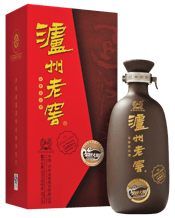
“When we went back to Shanghai, at the table each person would have a plate, cutlery and there were two bowls,” says Steven. The first was for the water course or congee, and the other was for drinks. “So, for the first few years, I lovingly drank Coke and Sprite out of these bowls, but as I got older, baijiu became a big thing for us. We actually put it in our Martini at Moondrop.”
In addition, Steven says red wine always features in their celebrations. “The colour matches the celebratory vibe. But also, even as someone from the industry who would say you should be drinking different wines with different meals, red wine just works with all these dishes.”
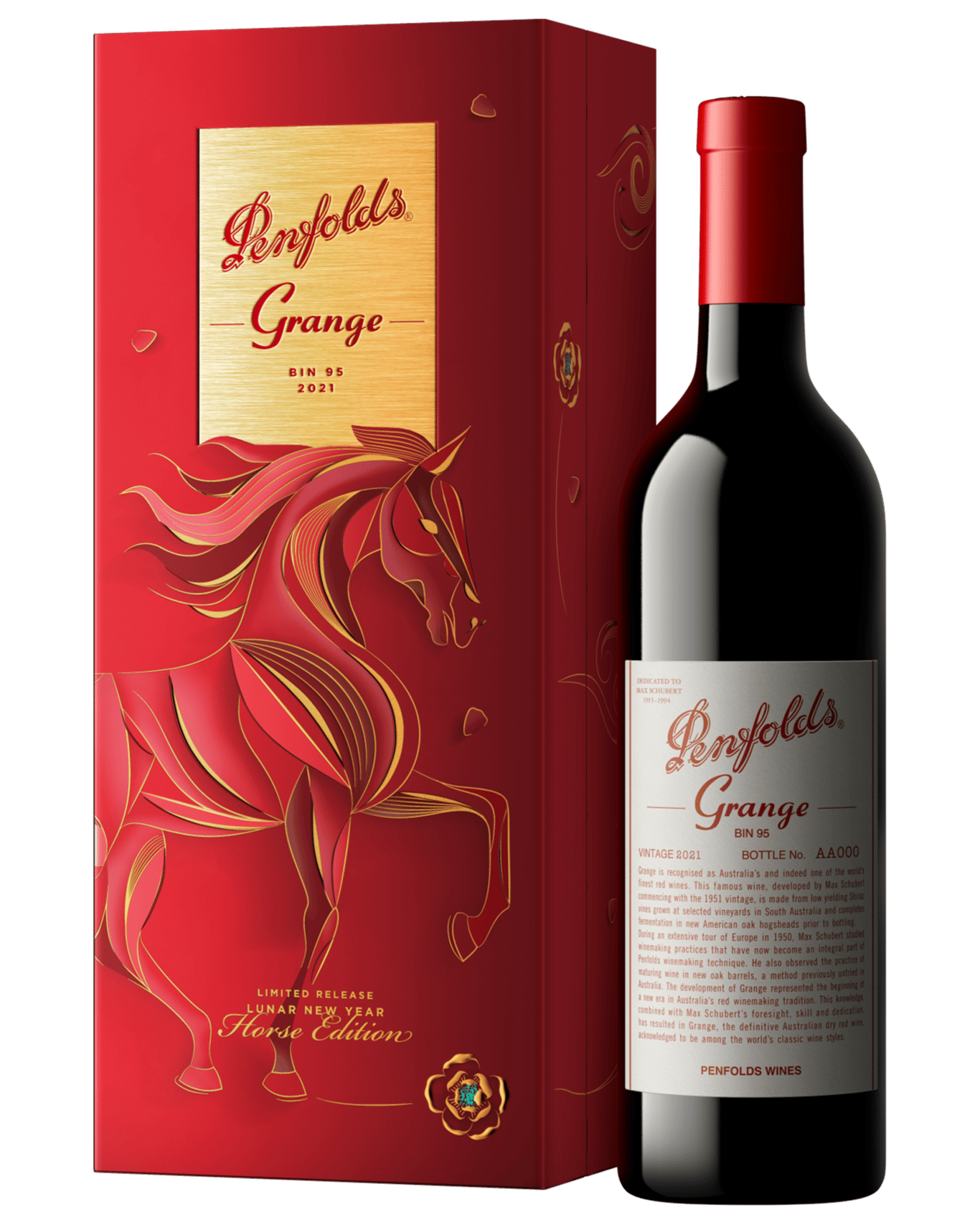
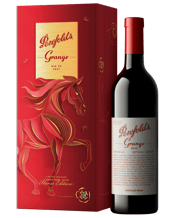
For Junda, this year he’s going for the ultimate high-low pairing – the Penfolds Grange, which comes in a special Lunar New Year gift box, served with those takeaway barbecued meats. “If you can find it, roast pigeon is amazing with Grange, too,” he says. And if you’re following his lead with that abalone hotpot? “It pairs really well with any Marlborough sauvignon blanc,” he says.
While the Chinese zodiac has a 12-year cycle, every 60 years, the Year of the Fire Horse comes along. This rare event is said to bring a whole lot more intensity, power and transformation than others in the cycle. “The Fire Horse is all about energy, courage and momentum,” says Junda. “That’s exactly how I want 2026 to feel. Every year, I wish for everyone to have a better year than the last. For me, it’s about building on what we’ve started: better food, stronger teams and more moments to connect with people over a meal. On a personal level, it’s pretty simple: good health, more time with family, and keeping that sense of fun and curiosity alive in everything I do. If the year brings a bit of fire, I’m ready for it.”
Steven is similarly set for adventure. “Last year we went to Shanghai and Taiwan and did six different pop-ups with six different food and cocktail menus over two weeks. It was sick,” he says. “I want us to keep travelling this year to spread the love and share what we do with the cats in Asia and other places with great hospitality industries, and learn from them in return.”





%20(1)?$dans-daily-web-image$&hei=900)
?$dans-daily-web-image$&fmt=png-alpha&wid=800)