NOW EXPERIENCING:The trick to a great dirty Martini? Bespoke brine
Learn|Vodka|Cocktail making|Cocktails

The trick to a great dirty Martini? Bespoke brine


Read time 4 Mins

Posted 19 Sep 2024

By
Lulu Morris


A cold Martini with olives on a table

How to jazz up your brine at home for a better tasting Martini.

When it comes to the Martini, Gen Z and Millenials like it dirty. Like dirty, dirty – like Patrick Swayze and Jennifer Grey filthy. Like, a Martini that is basically just spiked brine. Why? Could it be that we’re a generation who craves salt instead of sugar? Or could it be little Miss MSG doing its umami-thang in the brine? Either way, filthy, dirty, muddy Martinis are in, and they ain't going nowhere. And while good ol’ olive brine is tried-and-true, bartenders have been pimping and creating their own brine for yonks. In fact, the Dirty Martini has gone beyond just dropping in a few splashes of olive brine. Now ‘dirty’ can mean everything and anything – including fats, oils, various faux brines and even oyster juice. If it tastes umami-esque, it's going in the glass. But for the sake of simplicity and mixing at home, here are a few ways you can take that store-bought olive brine from boring to bespoke.
What is brine?If you’re lost, and have absolutely no idea what we’re talking about, brine is basically salt and water used to pickle and ferment vegetables and proteins. Take olives, for example. They are submerged in a brine (water, salt and sometimes MSG) – over time they create lactic acid, which releases into the mixture. That brine is then added to a Martini to make it ‘dirty’ – and also to give it that kick of salty, sweet, meatiness that is umami. For tinned or jarred olives, that brine doesn’t ferment the fruit, but it does give a fermenty flavour to the brine. Things like kimchi, however, are reliant on brine in the fermentation process, creating that strong almost fishy ferment flavour. The line between ‘pickled’ in brine and ‘fermented’ in brine is a tricky one, but has much to do with the ratio of salt to water. 
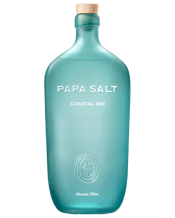
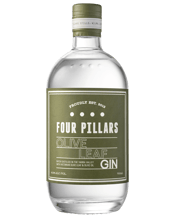
How to pick a brine for your MartiniA quick note on brine: always try to pick a brine that’s good quality, and always always give it a little taste test before muddying your Martini. Using a bad brine without trying it is the easiest and quickest way to ruin your cocktail. Also worth a think is whether you’re using vodka or gin as your base. While you may not be able to pull out or match your botanicals quite as well as you would with a garnish or vermouth, there are certain gins that work better with salinity. London drys are particularly good here, Tanqueray London Dry being the classic. Or if you’re after something Australian, opt for Papa Salt Gin (which has beautiful oyster shell and other coastal botanicals) or Four Pillars Olive Leaf Gin, which can hold quite a bit of flavour. For a Dirty Vodka Martini, we need a vodka that can punch above the brine, so something with depth and spice – look for a grain-based spirit like Belvedere or Archie Rose True Cut.
Chilli oil can help boost flavour and funk in your Martini brine
Other brines to considerThere are heaps of other great brines to play around with as well. Capers for some unique salinity, or things like kimchi, where chilli and brine work together in an almost brothy/fishy way. There’s cocktail onion brine, and more out-there things like seaweed, and if you’re brave enough, even brined fish juice. Maybe Sammy famously makes a delicious Caperberry Martini. You also don’t have to limit yourself to one brine, so try a mixture of a few; add some more MSG or vinegar to sharpen the flavours. The sky’s the limit. But we reiterate: taste-test the brine before adding it to your Martini.
Additions and subtractionsYou can also add things to a stock-standard olive brine to make it better. We talked about combining your brines above, but adding different flavours – things like tinctures, vinegars, juices or oils – can take your brine from meh to yeah! For a very simple brine upgrade, chuck in some fresh green chillies for a bitier brine. Or even a spice, such as coriander seeds or turmeric. Want to heighten that olive flavour? Mix through some MSG – it’ll give it a rounder, meatier taste and is super inexpensive. Been to Melbourne’s Pearl Diver bar, and reckon that Sea and Shell Martini twist is a bit of alright? Swish a little fresh (and very cold) oyster water (the water in fresh oysters) into the Oyster Shell gin, dry vermouth and verjuice. 
If you don’t really jam with a cloudy, sometimes-things-floating-in-it Martini, then try straining the brine once with a strainer and then again through a cheesecloth to collect all those little bits of olive (or other matter) before pouring it into your Martini. It should leave you with a slightly greenish, but transparent Martini.
Making your own faux brineWhen it comes to faux brine, go nuts. Use juice, use oils, use cooked vegetable washes; anything and everything can be made to dirty a Martini. Chau Tran from Sydney’s Burrow Bar uses a pho-washed gin, MSG and vermouth infused with coriander and beansprout to create their Pho-tini cocktail. Across the pond at Boston’s Blue Owl, bar manager Molli Rohland uses the Caprese salad as Martini inspiration, utilising mozzarella fat-washed vodka and clarified tomato water blended with salt, pepper and basil to create the Caprese #2. Or you could play around with replicated olive brine sans olives using lactic acid and saltwater like John Frizell from New York’s now-shuttered Fort Defiance; brine-but-not-brine. Or take a page out of Christian Suzuki’s San Fran bar Wildhawk and create a sesame brine using toasted sesame seeds, apple cider vinegar and salt water. Truly, anything goes, as long as it’s ice cold.
Wondering which gin to use in your Martini? We asked the experts so you can steal their ideas.