


Fizzy, fresh and endlessly tweakable – the building blocks of a great Spritz, explained.
Oh, the Spritz. Even the name sounds fresh, crisp and positively summery. In recent years, the Spritz has become (by a wide margin, we’d say) the iconic warm-weather sipper – just peep all those orange-tinted wine glasses the next time you visit a leafy beer garden.
While the Aperol Spritz has become the mayor of Spritz town, all that a Spritz really needs is sparkling wine, a bitter liqueur and soda water, which means the possible combinations are just about endless. With that in mind, we thought we’d take a deep dive into the Spritz and clue you in on everything from its history and basics to lesser-known variations and how you can mix your own at home.
History tells us that the first Spritz appeared in the 19th century, back when Venice belonged to the Austrian empire. The story goes that Austrian soldiers, who were accustomed to the beer of their homeland, asked Venetian taverners to splash a little water in their wine to dilute it. The German word for splash is ‘spritzen’, and so, a legend was born (sort of).
Obviously, these days, you couldn’t get away with watering down some wine and calling it a Spritz. No one’s falling for that, no matter how ‘traditional’ you tell them it is – you’d be chased out of town. The modern Spritz does leave some room to move, but it’s generally made to a pretty set formula with three ingredients:
As we’ll see shortly, the ratios and specific ingredients can be changed however you like, but the basic three components are almost always the same. And they’re almost always mixed in a wine glass, although you don’t necessarily have to.
Here’s where the Spritz gets creative. Like most cocktails, the exact ratios and ingredients are up to interpretation (within reason), which is why there are so many different Spritzes these days.
We’ve covered the basic trio of ingredients above, but let’s take a closer look:
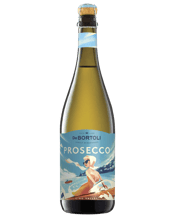
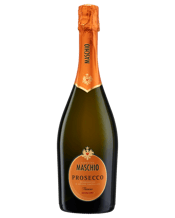
Sparkling wine: The IBA (that’s the International Bartenders Association) specifically calls for prosecco as the base wine in a Spritz, but it’s not exactly law. Considering the drink’s Italian origins, prosecco makes sense – and it brings a slightly sweet fizz that works well. Really, though, any sparkling wine could work, but lighter, crisper styles are best (so it’s best to save that Bollinger for something else).
Bitter liqueur: Anything bittersweet will generally work well in a Spritz. Aperol, clearly, is a big choice here, but other Spritz classics include Campari and Select (two bitter red liqueurs with less sweetness than Aperol). Just about any amaro should work well, too – especially for those after a more bitter, herbal Spritz. And FYI, the Spritz formula can also include regular liqueurs and other spirits, but this is definitely not traditional.
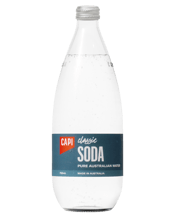
Soda water: Just about any old soda water will do in a Spritz. If you have a favourite, go with it.
Spritzes almost always include two other components, although these aren’t strictly essential (it’ll still be a Spritz if you don’t have them):
- Ice: Spritzes are usually made ‘on the rocks’ – on ice, in other words. Since Spritzes are supposed to be enjoyed nice and cold, it’s best to leave space in your glass for a few cubes of ice.
- Garnish: It’s not mandatory but, like many cocktails, a thoughtful garnish lifts everything. Matching flavours is a good way to go (a slice of lemon in a Limoncello Spritz, for instance), but it’s also a good way to add an extra dimension, if you like. A sprig of rosemary in a herbaceous Amaro Spritz, perhaps?
As for the ratios of the three main ingredients, there’s not a lot of consensus, but a good starting point is 3:2:1 – that’s three parts sparkling wine, two parts bitter liqueur, and one part soda water. Our perfect Aperol Spritz, for example, calls for 90mL prosecco, 60mL Aperol and 30mL soda water. The exact ratios will always depend on your personal tastes and the specific ingredients you end up using.
Now that you know what goes in a Spritz (sparkling wine, bitter liqueur, soda water) and the basic formula (a 3:2:1 ratio), feel free to come up with your own recipes. As we mentioned, even the classic bitter liqueur can be subbed out for something else, so consider the Spritz very much up to interpretation.
Because it’s versatile and you don’t have to be too picky, Spritzes are a great way to use up ingredients you probably already have lying around at home. Here’s what we mean:
Sparkling wine
Sure, a by-the-book Spritz will call for prosecco, but you don’t have to do it that way. If you’re anything like us, you’ve probably got some regular sparkling wine in the cupboard from Kris Kringles and overcatered parties. Use them! But remember that richer or sweeter styles of sparkling will be best with bitter or dry liqueurs – otherwise things could get a little sickly.
Liqueur
Yes, the traditional Aperol or Campari is perfect for a classic Spritz, but your homemade rendition can rely on just about anything. If you have a bitter liqueur like an amaro or digestif sitting on your shelf, those will make great base flavours for a Spritz, as will other astringent alcoholic drinks like vermouth. Otherwise, fruity liqueurs, infused spirits or even the odd flavoured syrup/cordial could sub in nicely. Keep an eye on the sugar levels and, if it’s a bit sweet, a few dashes of bitters could help liven things up.
Soda
Regular, unflavoured soda is the way to go with a traditional Spritz, but don’t let us tell you what to do. If all you have is tonic or a flavoured soft drink, you might risk making some Venetians sad, but you’ll satisfy the effervescent element of the Spritz. And isn’t that what really matters?
Professional bartenders might brag about their techniques for flavoured shrubs or liquid nitrogen-cooled Martinis, but making a classic Spritz is something any of us can do and it’s always a winner. From the original classic to the most modern interpretation, Spritzes don’t need much in the way of mixing skills, so consider the recipes below well within your grasp.
Aperol Spritz: 60mL Aperol, 90mL prosecco, 30mL soda water
Vermouth Spritz: 45mL sweet vermouth, 90mL sparkling wine, 30mL soda water
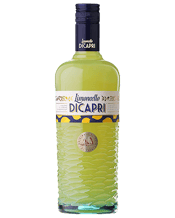
Limoncello Spritz: 45mL limoncello, 60mL prosecco, 45mL soda
- Hugo Spritz: 30mL elderflower liqueur, 15mL gin, 90mL prosecco, 30mL soda water
Click image to shop
Spritz essentials
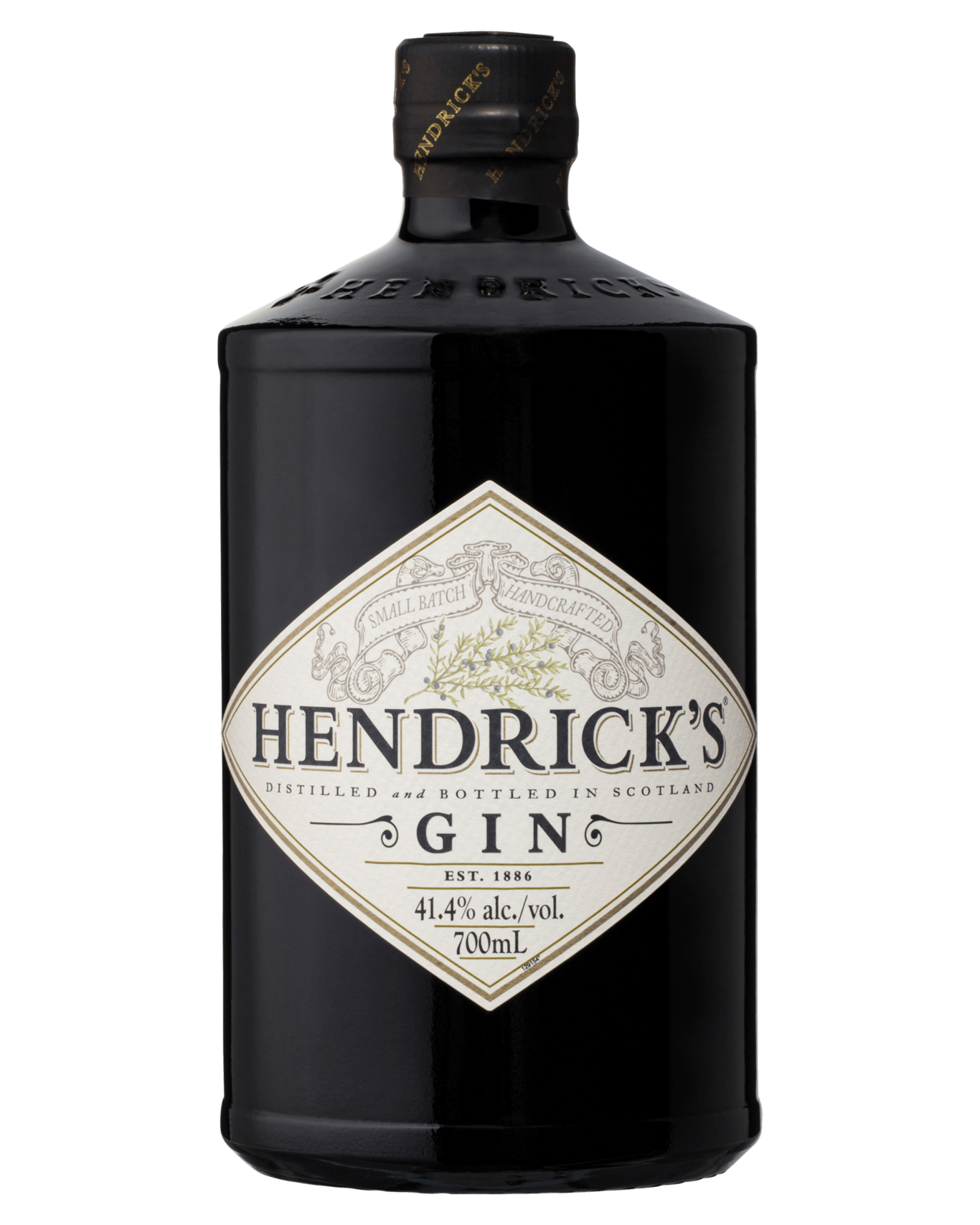
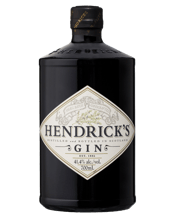
1. Hendrick’s Gin
It’s hard to go past a gin Spritz. Whether it’s a Hugo, an Elderflower Gin or even a Gin Basil Spritz, the options are (almost) endless. Hendrick’s Gin is a blend of 11 botanicals, along with two key liquid botanical infusions – rose and cucumber. Our mates at Hendrick’s have also let us in on how to make the Hendrick’s Original Gin Spritz. Just don't forget the sliced cucumber to garnish – that's the Hendrick’s Gin signature.
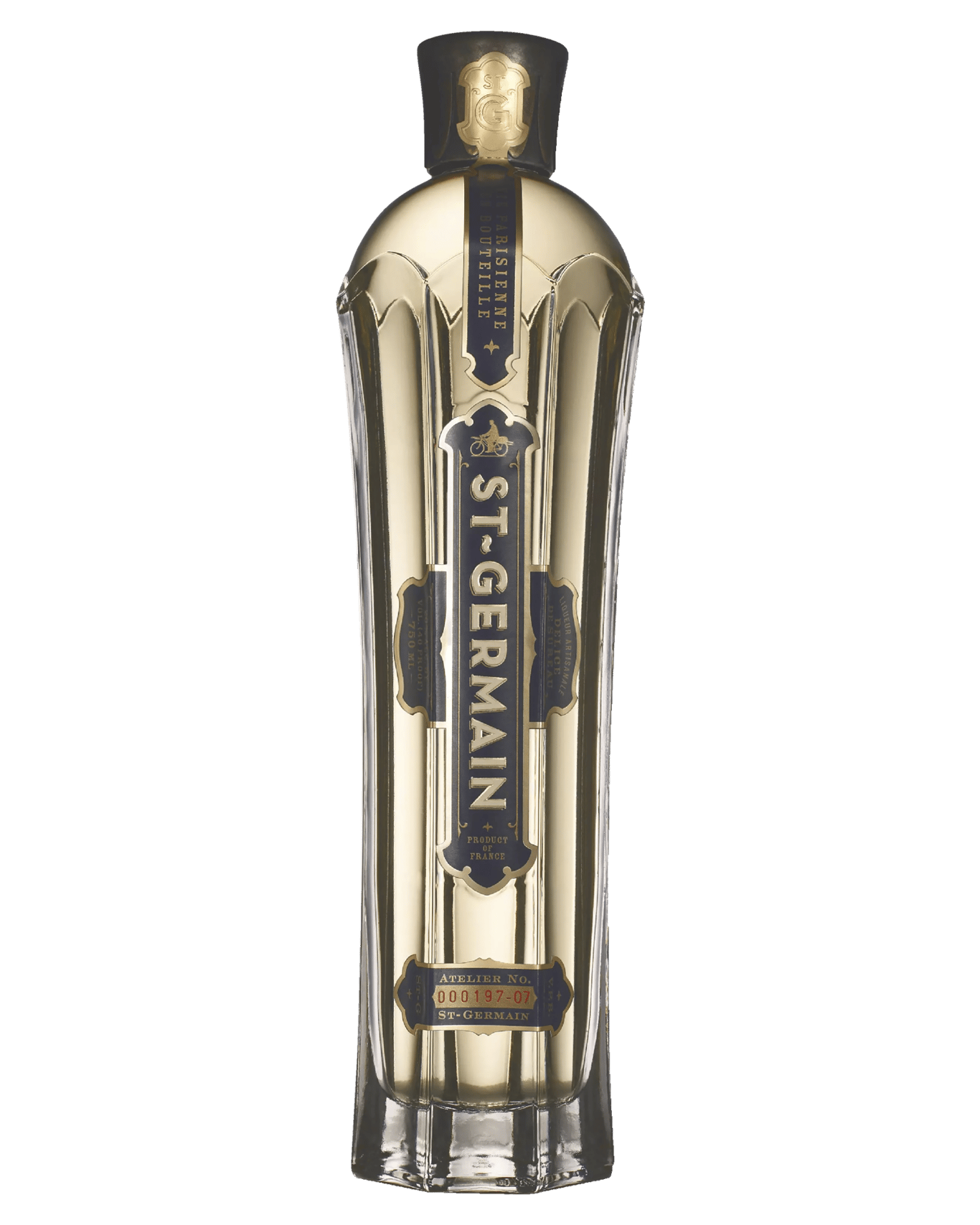
2. St Germain Elderflower Liqueur
Okay, we’re pretty obsessed with the Hugo Spritz. It’s got everything – gin, prosecco, soda water and the very important inclusion of elderflower liqueur. Yes, it’s made from elderflowers (obviously!), which are harvested from the foothills of the French Alps in spring. The St Germain Elderflower Liqueur is a near perfect example. It’s citrusy with notes of lemon zest, pear, floral sherbet and passionfruit. So, who wants a Hugo Spritz?
Click image to shop
Click image to shop
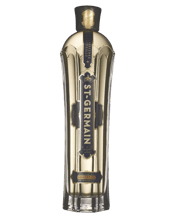
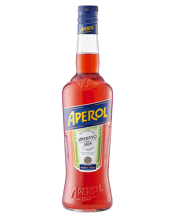
3. Aperol Aperitivo
Aperol might just be the popstar of Spritzes. It’s a global icon for a reason – it’s damn good. A bit of trivia for you: Aperol is a blend of 16 ingredients, including bitter orange and rhubarb, which give Aperol its know-it-anywhere colour and bittersweet flavour. To make a classic Aperol Spritz, all you need is soda water and prosecco (and Aperol, of course).





%20(1)?$dans-daily-web-image$&hei=900)
?$dans-daily-web-image$&fmt=png-alpha&wid=800)