


We all have a bottle – here’s how to put it to work.
Coffee has come a long way, especially here in Australia where we’ve turned the humble morning brew into a full-blown cultural institution. Gone are the days of that sad, filtered, slightly-burnt liquid sloshing around in a communal glass pot at the local breakfast joint. Now we’ve made it a thing. A lifestyle. A ritual. We’ve engineered milk so precisely that baristas can tell you the exact moment it hits “peak froth”. We’ve championed cold foam. We’re doing pour-overs with goose-neck kettles because water needs choreography. Then there’s that viral Mont Blanc. It’s so good we recently even gave it the cocktail treatment. And don’t get us started on tasting notes – citrus, stone fruit, caramelised sugar, toasted almond, existential clarity. Whatever you’re into.
At this point, ordering a flat white feels about as involved as consulting a sommelier. And this dedication to coffee has spilled over into our coffee liqueurs. Now we’re sourcing beans like we’re curating an art exhibit – talking varietals, altitude, and micro-lots because, of course, the beans need a backstory. Then there’s the extraction: cold brew, hot brew and other wizardry. And the spirit base? Vodka for clarity, rum for warmth, whisky for drama.
If us Aussies are going to spike our coffee, you’d better believe we’re doing it with the same level of overachieving finesse we apply to everything else caffeinated.
Unlike most liqueurs, coffee liqueur is surprisingly straightforward. Producers either go the slow-and-smooth cold brew route or the quick hot brew mixed with spirit (usually neutral grain, but some do brandy, rum and whisky) on the spot. Cold brew’s the favourite – low bitterness, soft edges, nothing sharp to fight with. Hot brew works, too, but it brings more bite, which means you’re suddenly sweetening and adjusting like a barista under pressure.
From there, it’s just a sweetener and potentially some other flavour suspects – vanilla, spice, whatever the recipe calls for. But the real magic happens before any of that: in the beans that are sourced, how they’re roasted, and the choices that shape the flavour long before it ever touches a bottle.
When you hear “terroir”, your mind probably jumps straight to wine. But really, anything that grows has terroir (we’ve delved into tequila’s terroir here), and coffee beans are no exception. This is where coffee liqueurs start to get interesting, developing layers of flavour right from the start.
When a producer picks a bean from a specific region, they’re choosing a flavour profile. Ethiopian beans, for example, tend to be bright and floral with citrus notes, while Colombian beans lean richer, more chocolatey and beautifully balanced. These flavours come from where the beans are grown: the microclimate, the soil, the altitude – all the subtle things that give the fruit its character.
Then there’s the actual bean type. Arabica, known for its smoothness and complexity, is the favourite for most liqueurs. Robusta, on the other hand, brings sharper, more bitter notes, which can be added to a blend to give a little extra depth and backbone. It’s this careful dance of origin and variety that sets the stage for a liqueur with real personality.
We don’t eat coffee beans raw. That green bean needs a little love to reach its full potential – kind of like chocolate. You’re not munching on the sticky white stuff in a cacao pod, so roasting is a critical step in production.
A lot of producers roast their coffee in-house to craft their own signature blends, but for coffee liqueurs, medium roasts are usually the sweet spot as they’re balanced, nuanced and full of flavour. Dark roasts bring a bold, smoky punch, but go too far and you’re flirting with bitterness. The pros always use freshly roasted, freshly ground beans and stick to a coarse-to-medium grind. It keeps the flavours clean and stops things getting bitter or over-extracted.
When it comes to cocktails, anything calling for coffee liqueur is fair game. Start with the classic Espresso Martini – you can stick to the OG or try a fancy twist. There’s plenty more too, like the Affogato, Espresso Martini Granita, Bahama Mama, Tiramisu cocktail, or something different like Dan Docherty’s Coffee Up with walnut liqueur, the Biscoff Espresso Martini or that Whisky Mont Blanc we mentioned earlier. We’ve got a whole list to get your creative juices flowing, so go nuts.
If you’re into more simple pleasures, just pour your favourite coffee liqueur over ice cream (we love it with vanilla, but you can also get more adventurous) and dig in with a spoon.
Click image to shop
Four coffee liqueurs to try
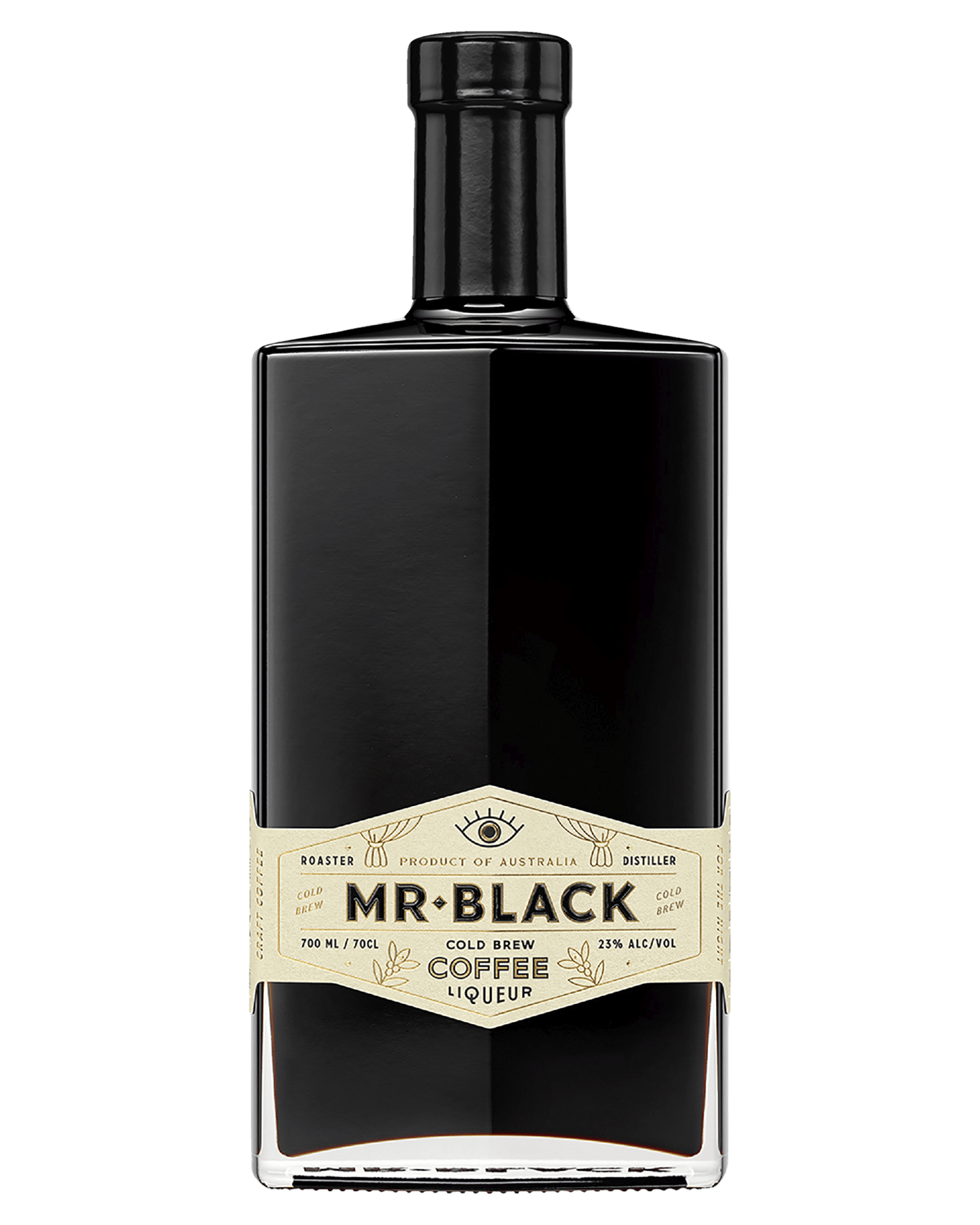
Mr Black is a coffee liqueur for coffee nerds. Made on the NSW Central Coast with cold-pressed, single-origin beans from Ethiopia, Brazil and Papua New Guinea, it’s packed with fresh, punchy coffee flavour. It’s perfect on ice or in a cocktail, and the bottle’s a showstopper too – watch the artwork reveal itself as you pour.
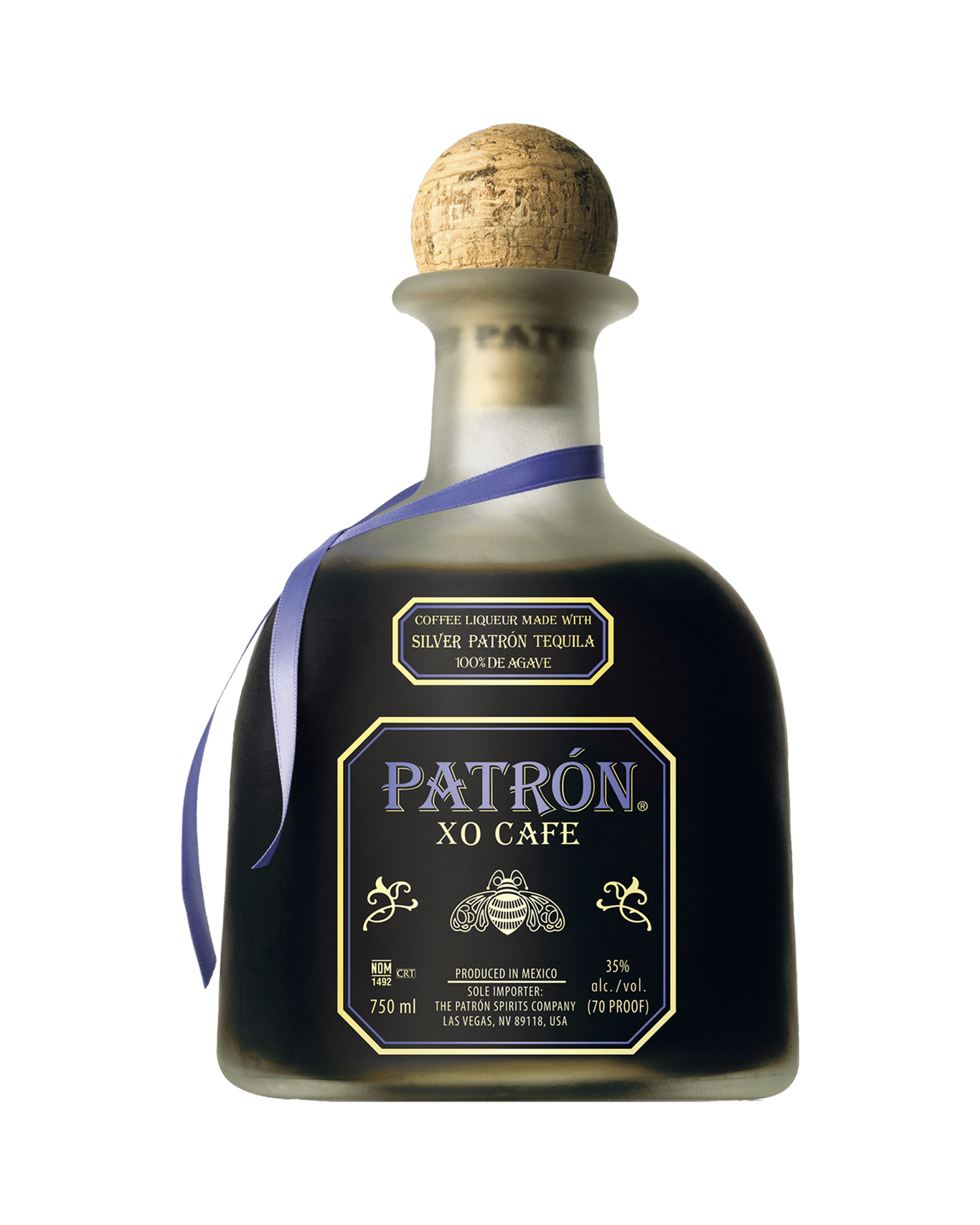
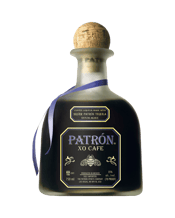
Every millennial’s favourite, the Patron XO is a bit of a GOAT. Made with a mix of ultra-premium tequila and the natural flavours of top-notch coffee, it’s uniquely dry rather than sweet. The higher proof really lets the coffee do its thing, so it’s better to sip this guy over the rocks or sip it neat.
Click image to shop
Click image to shop
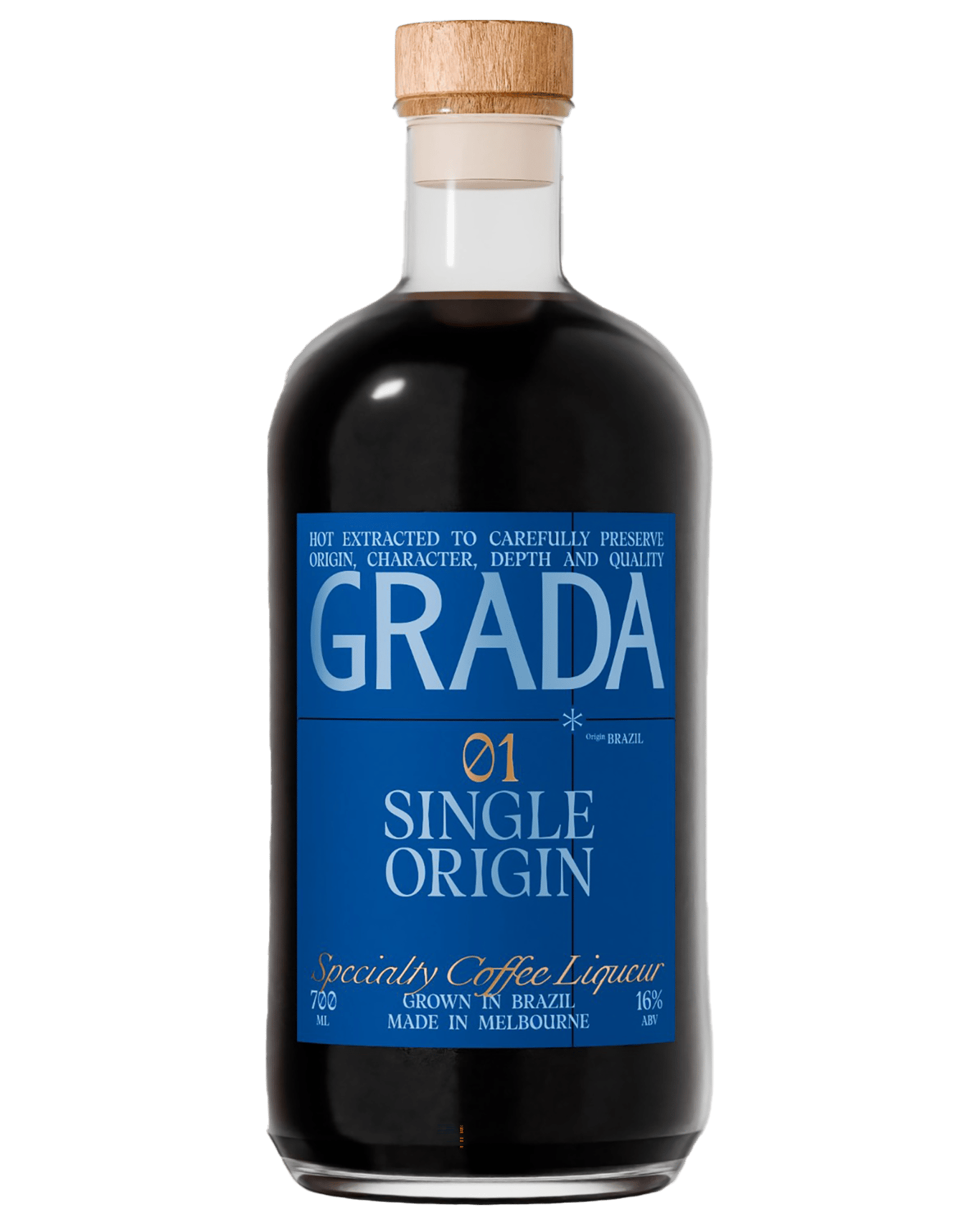
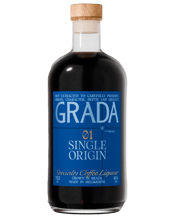
Melburnians might not always know what good weather feels like, but they sure know coffee. Made in Melbourne, Grada is crafted from single-origin Brazilian beans, hot-extracted for rich, sweet depth. Shake it for a perfect Espresso Martini, mix it into a cocktail or pour it over ice. This is smooth, full-bodied and unmistakably special.
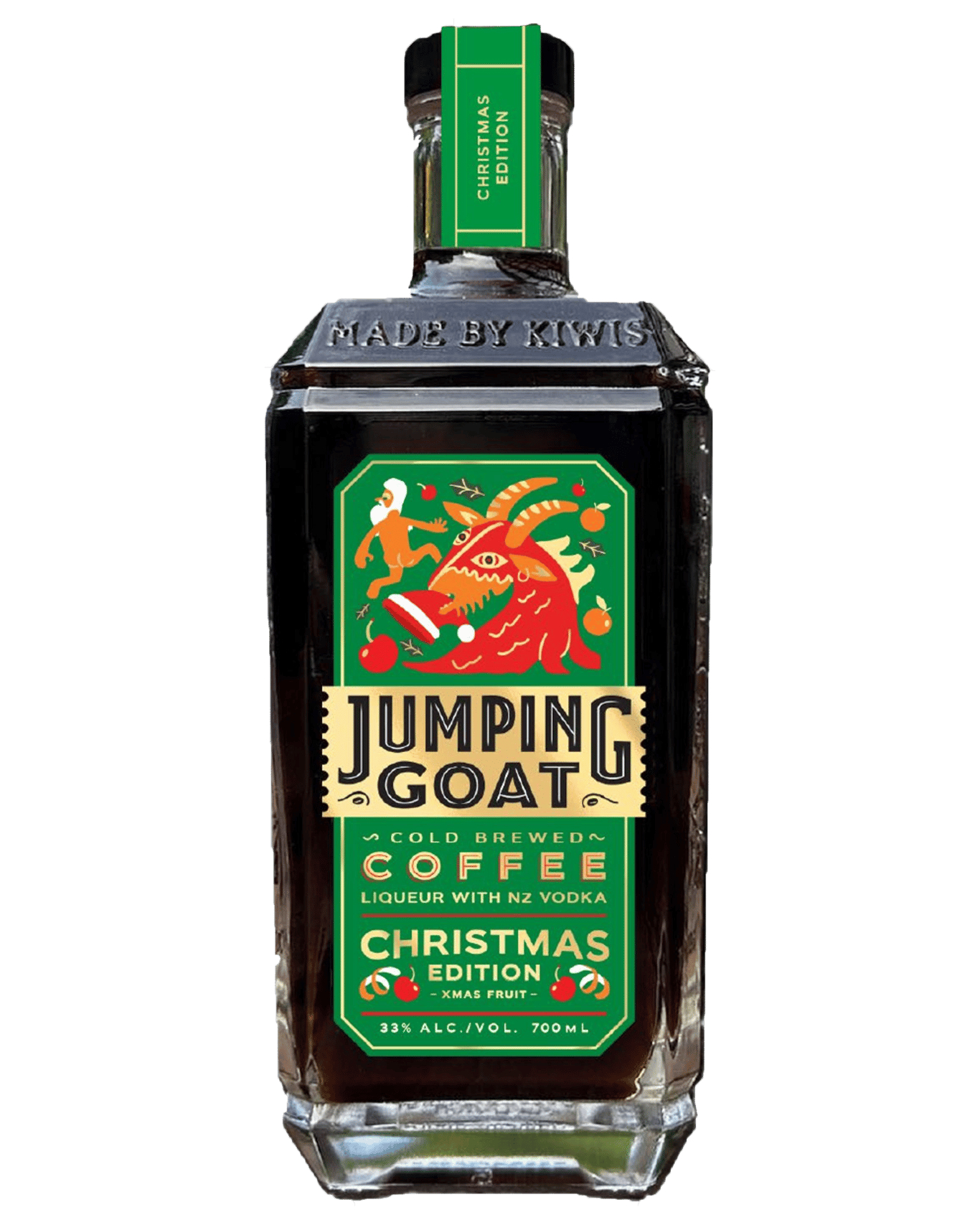
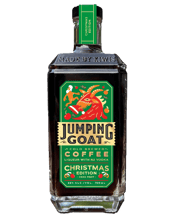
Nothing says “I’ve been wrapping a million presents all night and just ran out of ribbon” like an Espresso Martini. And now it’s even more festive with Jumping Goat’s Christmas Edition Coffee Liqueur. A merry mix of NZ vodka, rich roasted coffee and seasonal fruit and spice, it’s smooth, sweet and full of holiday cheer. It’s delicious over ice, too.
Click image to shop



%20(1)?$dans-daily-web-image$&hei=900)
?$dans-daily-web-image$&fmt=png-alpha&wid=800)