


Try a botanical-infused vodka or perhaps something distilled from native Australian yams. Here are our picks, plus everything you need to know about this versatile spirit.
As with any alcoholic beverage, the first step to making vodka is fermentation (which takes anywhere between one to two weeks). It involves feeding sugar to yeast so the yeast produces alcohol. Vodka can be made from any starchy or high-sugar plant matter mixed with yeast and water – most are made using a blend of grains like rye, wheat, malt or corn. When fermentation is complete, the vodka is strained leaving only the liquid base: an ethanol or ethyl alcohol product with about 16% ABV.
Up next is distillation, which is the process of purifying a liquid by heating it in a still until it evaporates and becomes a vapour – this effectively separates the alcohol from the water. When the liquid evaporates, it also leaves many of its impurities behind. The vapour then recondenses into a purer liquid with a higher alcohol content. Fun fact: once the vodka is distilled (up to several times) the finished vodka should catch on fire before passing on to the next stage of the production process – the more it’s distilled, the higher the alcohol content. Dilution happens after this, which is necessary to get the product down to the appropriate ABV. The last step is filtering the vodka. Producers might use carbon or charcoal to do this – it ensures it’s clear, clean and won’t become cloudy over time.

Excellent question! We’ve rounded up a few notable vodkas below – some on the more traditional side, others that get a little jazzy with their taste. Take your pick!
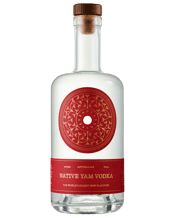
Vodka from the land: Seven Season Native Yam Vodka
Founded by Indigenous entrepreneur Daniel Motlop, Seven Seasons is a sustainable family business that passes down the knowledge of Aboriginal culture and traditional methods of harvesting. The native yams in this vodka are pulled from the earth during rainy season and give it a creamy, warm and earthy flavour.
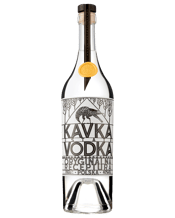
A traditional-style vodka: Kavka Polish Vodka
Kavka Polish Vodka is made from a blend of wheat and rye using traditional production methods for a unique taste. Its finish can be described as a rich-dry balance with emerging fruit notes of apples and prunes.
A vodka for dessert: Old Young's Pavlova Vodka
With a meringue base and summer fruit infusion, Old Young’s Pavlova Vodka is a fitting tribute to the classic dessert we know and love. It’s sweet yet sophisticated, and a great base for a Champagne cocktail or a sour; try it mixed with cranberry juice or lime and soda, too.


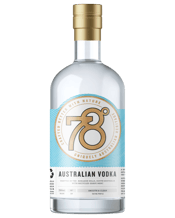
The recycled vodka: 78° Australian Vodka
From the Adelaide Hills, 78° Australian Vodka nails both regionality and sustainability by giving a second life to local grape skins, seeds, fruit and juice left over from the winemaking process. The team distils this waste – often known as grape marc or pomace – and then charcoal filters it for purity. Subtle citrus notes and floral tones shine through, bringing some trademark Adelaide Hills characters to this vodka.
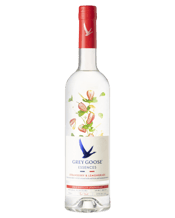
A classic made new: Grey Goose Essences Strawberry & Lemongrass Vodka
Grey Goose are no newbies to the vodka game, but their essences are a fresh take on their time-honoured classic. The Strawberry & Lemongrass is our pick right now – it offers a light, smooth taste with subtle notes of lemongrass, citrus and strawberry thanks to the inclusion of botanical essences.
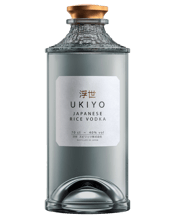
The Japanese take: Ukiyo Japanese Rice Vodka
Crafted on the tropical island of Okinawa, Ukiyo Japanese Rice Vodka is made from a harvest of long-grain indica rice and celebrates centuries of Japanese distilling expertise. The rice is distilled into a traditional Japanese awamori spirit and then redistilled into pure vodka, offering a distinctly rich texture and savoury sweet quality not often found in vodka. Plus, how good is the bottle? Kanpai!
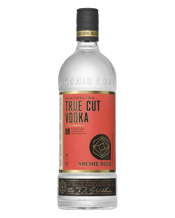
Something with a botanical twist: Archie Rose True Cut Vodka
This neutral vodka from aficionados Archie Rose (they’re Australia’s most highly awarded distillery) is cold-distilled with nothing but Australian wheat, local botanicals such as reclaimed orange peel, local apple, native river mint, native local lemon myrtle and triple filtered water.





%20(1)?$dans-daily-web-image$&hei=900)
?$dans-daily-web-image$&fmt=png-alpha&wid=800)