One of Dan's Wine Merchants, Richo, talks us through six iconic Yarra wines.
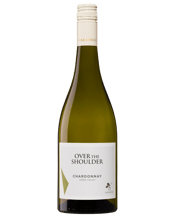
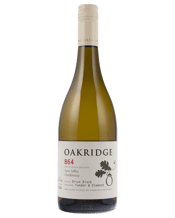
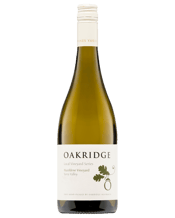
Oakridge is a Yarra Valley icon and Dave Bicknell, the chief winemaker, is perhaps the most important part. 'I think it's fair to credit him with the resurrection of the modern style of Australian chardonnay,' says Richo. 'We [Australian wineries] may have shot ourselves in the foot by making buttery, over-the-top styles of chardonnay in the 80s, which was popular in the UK, but New Zealand came along with tropical sauvignon blanc and blew us out of the water. It's guys like Dave Bicknell who brought us back with this lean, French style of chardonnay.'
These are single vineyard, Upper Yarra Valley wines and all about elegance. 'They don't let the winemaking get in the way of the grapes, so the chardonnays kind of make themselves,' says Richo. 'They're citrusy and expressive with a bit of spice, but very fruit-driven and solid as a rock, from the more affordable range right up to the flagship 864 Series. Most importantly, they're made in a way that suits each particular vineyard.'
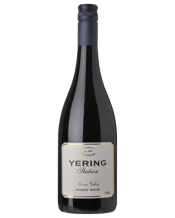
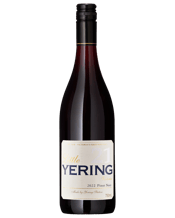
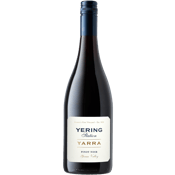
Yering Station is one of the three original Victorian wineries, dating back to the 1830s. There's a lot of history behind the winery, and they were one of the first to showcase Yarra Valley wines internationally, but Richo appreciates them for other reasons.
'One of my favourite things about Yering is that they used to have a viticulturist called Nathan Scarlett,' he says, 'who was very much ahead of his time and doing some really futuristic things. He passed away young, and to Yering's credit, they named their top wine after him – the Scarlett Pinot Noir. He was amazing at his job, so I really respect that.'
Their pinot noir falls into the light–medium category and is very expressive. 'It's classic Yarra Valley,' says Richo, 'with a nice lightness and deftness. There are notes of red fruits, cherries, spice, and it can be floral, but it doesn't go down the earthy, funky path. If I were at a restaurant, I'd be drinking it with duck because of the wine's high acidity and lighter tannin structure, but at home I'd pour it with a tiny bit of truffle oil on my spaghetti bolognese.'
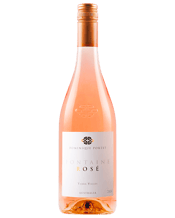
Dominique Portet is one of the legendary French winemakers who found their way to Australia. His father, Andre, used to work at Château Lafite-Rothschild in Bordeaux, which is one of the world's most famous wineries, while Dominique ended up on a golden mile of real estate right on the cusp of the Yarra's classic wineries.
'It's actually his son, Ben, who's the winemaker now,' says Richo. 'Ben is a 10th-generation winemaker, which is absolutely gobsmacking in the scheme of things. We tend to have fourth or fifth-generation winemakers in Australia, but Ben's family goes back to the very beginning of the wine industry in Bordeaux.'
It's an impressive pedigree and both Ben and his father have done their family proud in the Yarra Valley. Their rosé is regarded as Australia's first true Provence style of dry rosé and remains one of the country's most popular, with a pale pink colour, creamy texture and crunchy acidity. And if you're in the celebratory mood? They also produce a sparkling rosé, which 'Dominique made when most would've thought of it as cheap lolly water,' says Richo, 'but he was making a beautiful, light and dry wine, really pioneering the style here.'
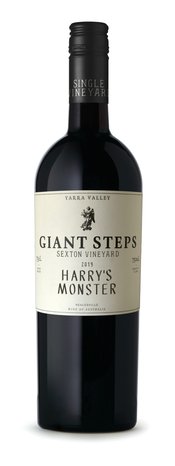
Giant Steps was started by Phil Sexton, who is also responsible for the Matilda Bay and Little Creatures breweries. He's a legend of the industry, as is Steve Flamsteed, the winemaker at Giant Steps. 'He's one of the best winemakers going around,' says Richo. 'He's also a cheesemaker, a brewer and he even has a six pack. An amazing guy.'
Single vineyard wine is the name of the game at Giant Steps, with the syrah coming from the Tarraford Vineyard in Tarrawarra. 'Syrah is the French word for shiraz, but I think that we should be looking at syrah as a style, rather than a grape,' says Richo. 'It's lighter, brighter and has blue and red fruits with this lovely white pepper and Chinese five spice. It's fresh, medium-bodied and really expressive of what those single vineyards can give you. I'd call it the opposite of Barossa shiraz, which tends to be much richer and bigger, whereas this is just so drinkable and pretty when it's young.'
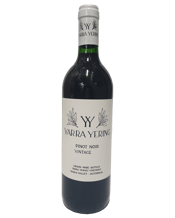
Yarra Yering was one of the first Yarra wineries to replant vines in 1969 and Dr Bailey Carrodus, the founder, can be credited with the region's incredible resurgence. Though Doc passed away in 2008, his legacy has grown under the watchful eye of winemaker Sarah Crowe, who has consistently produced outstanding wines including the Dry Red No. 3.
'This wine has always been my favourite wine from Yarra Yering because it's a little different to everything else that's in the Yarra Valley,' says Richo. 'It comes from 1990 plantings of a bunch of Portuguese varieties, which have different fruit characters to cabernet or shiraz. It's all about fruit and is really interesting. It's lighter, spicier, more elegant and fragrant, in quite a European style. Totally weird and cool, and it always makes me want to finish the glass then pour another.'
Yeringberg is run by the De Pury family, as it was through the 19th century, with Sandra De Pury now in charge as a fourth-generation winemaker. 'I always think of Yeringberg as a microcosm of the Yarra Valley's history,' says Richo. 'They have vines that go back to the 1860s, when the Yarra was one of the country's predominant wine regions and getting a lot of kudos overseas.'
'When people think of cabernet, they tend to look to Coonawarra or Margaret River, but the Yarra provides much more elegant and interesting styles,' says Richo. 'For me, this is one of the top Australian Bordeaux blends. It's predominantly cab sauv with some cab franc, malbec, petit verdot and merlot. It'll last for years but can be drunk quite early too because the quality of the viticulture is second-to-none, and the winemaking follows the viticulture.'