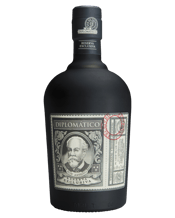


Your guide to both sides of the rum spectrum – and how to enjoy them.
There is dark rum, and there is light rum. The former pops up in classic cocktails like the Dark and Stormy or Mai Tai, while the latter is most commonly dispensed in Daiquiris or Mojitos. But what’s the difference? Where does dark rum get its colour from? And what makes a light rum better for some drinks and not others? You’ve come to the right place to find out.
Unlike other spirits (we’re looking at you, whisky), rum isn’t so strictly regulated. This means there are no legislative criteria around the production or labelling of a rum as either ‘light’ or ‘dark’. It’s kind of at the discretion of the producer. But before we explain the differences, let’s start with the common ground.
All rums are made by distilling fermented sugarcane, whether it be the molasses – a thick, dark, syrupy byproduct of sugar production – or the plant’s fresh, natural juices. Those made with sugarcane juice are most common in the Caribbean, where they’re referred to as ‘rhum agricole’, but most rums are made from molasses and are sometimes referred to as ‘rhum traditional’.
But before you go assuming that dark rums get their colour exclusively from molasses, we should inform you that that’s not entirely the case. While it is true that heavier, more concentrated molasses will lead to a darker rum, the primary source of that deep hue actually comes from the ageing process.
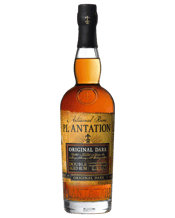
Dark rums (also labelled as ‘golden’ or ‘black’) typically spend between two to seven years in charred oak barrels before bottling, which gives them a richer, more complex flavour profile and colour. These are often made in the rhum traditional style, but not exclusively. Robust and flavoursome in character, dark rums are a great addition to cocktails that call for a more dominant spirit to cut through competing ingredients.
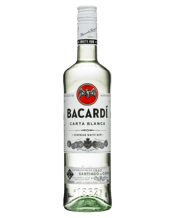
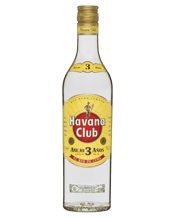
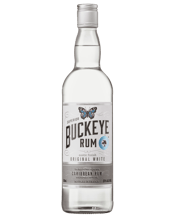
Light rums, on the other hand, are only aged for around a year – and even less in some cases – in either stainless steel tanks or neutral oak barrels. Often labelled as ‘white’ or ‘silver’ rum, these are typically much more delicate in flavour than their dark rum counterparts. Light rums are your best bet for cocktails that rely on a clean and smooth base – think a classic lime Daquiri or Pińa Colada.
So, from golden and black to silver and white, traditional to agricole – these are the key differences between dark and light rums. Both styles come with their own unique characteristics and use cases, but are equally deserving of a look-in on cocktail night.