

There are a lot of rumours about sulphites in wine, but are they good or bad? Let’s find out.
Sulphites is the general term for a group of chemicals, including sulphur dioxide, which is a common food preservative – you might see it listed in the ingredients of processed foods as 220. Just as sulphites help to preserve certain foods (its use is sky-high in dried fruit, and surprisingly high in hot chips, too), they also help to retain a wine’s freshness and colour, and protect against oxidisation and bacteria, which can ruin a wine. Many winemakers add sulphites during production, but they’re also created as a natural by-product in the winemaking process.
Here in Australia, wine laws require producers to state on their labels the sulphite contents; “Contains sulphites” shows they were added during the wine’s production. Sulphites are just one addition allowed in winemaking (various acids are among the others), but Australia restricts the use of sulphites to 250 milligrams per litre of wine, which is lower than in many common foods. Meanwhile, certified organic and biodynamic producers are capped at using half that quantity of sulphites, if they choose to use any at all.
?$dans-daily-web-image$&wid=900)
It’s true that some people are more sensitive to sulphites than others, and this can show with the likes of hives and swelling. It’s believed that people with asthma can be more prone to the potential side-effects, particularly in terms of breathing issues. If that’s the case, it’s good to know that white wines tend to have higher concentrations of sulphites than reds; they have more colour and tannin to protect them against the type of threats that sulphites work to prevent.
So, does that mean we can blame all our next-day headaches on sulphites? Studies are inconclusive, but if you watch your intake and still end up with a pounding head, other compounds may be at fault, particularly when it comes to red wine. Histamines are found at higher levels in reds, and these can also trigger headaches and hayfever-like effects. A small percentage of people suffer from serious sulphite sensitivities, but the best way to figure out if it’s affecting you is to try wines that do and don’t have added sulphites.
Many producers that fall under the banner of natural wine – or low-fi, new-wave or minimal intervention, perhaps – have long pulled back on their use of sulphites and other additives. It’s all about letting the wine fully express where it comes from without manipulating it in the winery. But like most things in wine, this can be complex, and many lo-fi makers are still incorporating sulphur dioxide as needed, so it always varies between producers as well as across the one label’s wines.
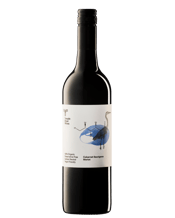
South Australia’s Temple Bruer has been making preservative-free wines since 2008, initially with one cab merlot, but their core range is now preservative free. Head winemaker Verity Cowley says it’s unclear whether histamines or sulphites are to blame for things like headaches and flushed cheeks, but Temple Bruer’s repeat customers report less of these symptoms after drinking their wines. “I think people bought them in the beginning because of those issues, but these wines have almost evolved into their own category,” she says. “I think there’s a real purity about them. They’re brighter, fresher and just really approachable.”
Making sulphite-free wines involves extra work, but Verity says evolving technology has helped, particularly with the bottling process reducing the risk of oxidisation. The team at this certified organic winery has also tinkered with yeasts over the years, which Verity says has eliminated natural sulphites being produced in their winemaking process, as proven by industry certification. Eliminating disease pressure in the vineyards further minimises the risks involved, but Verity acknowledges that some wines simply aren’t suited to zero sulphites, such as their riesling.
Over at McLaren Vale’s Yangarra (winner of Wine of the Year in the Halliday Wine Companion Awards), they make some wines in their range free of preservatives, while others have minimal additives. Winemaker Pete Fraser says they made their first sulphite-free wine – a shiraz – in 2013 as a bit of an experiment, and they loved the results. “It was fresh and delicious,” he says. “It taught us a lot back then about things like picking a little earlier, and it showed us what we could achieve by doing less, but it also has its limitations for premium wines.”
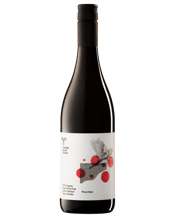
The certified organic and biodynamic winery is a celebrated grenache specialist, and they find that variety is particularly well-suited to going without sulphites. This can be seen in the popular Yangarra Preservative Free Grenache, which shows all those trademark bright, fresh fruit characters. “Using no sulphites has the potential to make some delicious early-drinking wines, and they don’t seem to be horrible as older wines, but they are more delicious when they’re young,” Pete says. Yangarra is yet to make a preservative-free white, however, with Pete saying it can lead to wines with a “mousy” flavour. “There’s just not the same amount of tannin in whites to protect them.”
Like everything in wine, it’s all a matter of personal taste. Wine with sulphites and other additives aren’t a bad thing or to be avoided, unless, of course, you’re one of the few who experiences side-effects after a glass or two. However, with the rise of top producers working with fewer and no additives, and these wines showing a style all their own, it’s absolutely worth trying all the options.
As Yangarra’s Pete Fraser says, there’s so much know-how going into these sulphite-free wines, we can now be sure of their quality. “You can expect these wines to still be good,” Pete says. “They may not have the same levels of complexity, but as a delicious, early-drinking style, they are excellent wines.”