


Ever wondered what the year on a wine label actually means? We’re getting to the bottom of it.
If you’ve got a bottle of wine on hand, grab it and take a look at the label. Can you see a year printed on the front? If it’s a Penfolds Grange (in this scenario, you’re quite the discerning collector) there might be a line that reads ‘Vintage 2019’. But what does that actually mean, exactly?
In the context of wine, there are two meanings to the word ‘vintage’:
Vintage as a year: When you see a year on a bottle – like on your 2019 Grange – that’s referring to the year the grapes were picked and the winemaking process started. For instance, if a winemaker picked shiraz in March 2025, the eventual wine will have 2025 printed on the label. It doesn’t matter if the bottle isn’t released for sale for five more years, 2025 will be the wine’s vintage.
- Vintage as a process: In the wine world, the term ‘vintage’ is also used for the whole process of harvesting the grapes and preparing them to become wine. Because harvest time varies around the world, aspiring winemakers and seasonal harvest workers can work several vintage seasons each year.
In Australia, vintage (that is, the time when grapes are ready to pick) can vary because we are a massive country with different climates and growing conditions. Winemakers don’t just mark off a random date on the calendar and start picking their grapes – the start of vintage is carefully judged to ensure they can make the best wine possible. In the end, it’s up to the grapes to say when they’re ripe enough to change into their final form.
Winemakers will monitor a whole lot of factors to determine grape ripeness – from acidity to phenolics (various chemical compounds) to taste and aroma. Some kinds of grapes ripen early, like chardonnay, while others like grenache are happy to hang out on the vine for longer. In general, white grapes tend to be picked earlier than reds, but it’s not true as a rule.
Depending on the year, region and grape variety, Australia’s vintage season can start as early as January and keep on trucking into May, although February to April is peak season.
A quick note about vintage years on wine bottles: they can be a real shortcut to understanding the wine. You can’t tell everything from the vintage, but if you’re in the know (or have a vintage chart handy), you might be able to tell if the wine is big and rich or a little more reserved, whether it’s good to drink now or better off hanging out in the cellar. You can even make a judgement call on whether the whole wine could be good or bad.
The reason we can (sometimes) tell so much about a wine from its vintage is that some years are just perfect for making wine, while others can be bloody dreadful. It might be rain, bushfires, drought, insects, frost, mildew – there’s no shortage of ways to affect a wine vintage. Much still depends on the region and winemaking skills involved, but there’s a lot of info hidden behind those four numbers.
And just to throw out a quick disclaimer, while some vintages are wildly better than others, even vineyards within the same wine region can experience different growing conditions, so vintage assessments will never be universal. It’s always best to taste and see.
Here are a few notable recent Australian vintages:
2021: Wine critic Jancis Robinson called 2021 “one of the best vintages this century” (for South Australia, at least). The weather was good, the grapes ripened and there was a lot of wine made.
2020: The bushfires of 2019-2020 made this a tough vintage for winemakers like Tyrrell’s. To avoid smoke taint (where smoke causes off flavours in the wine), some bushfire-affected regions made very small quantities or skipped the vintage entirely.
2018: A warm year with a long ripening period in many regions (particularly South Australia), meaning there are some big, rich, juicy reds with 2018 on the label.
2012: Langton’s gives this 9s and 10s across the board for pretty much the whole of Australia, making 2012 a real winner.
2011: A notoriously tough year with too much rain for almost the whole country that meant small yields. However, Western Australia actually had a corker, though, so it wasn't all bad news.
Some wines don’t have a vintage – we’d call them timeless, but the accepted term is ‘non-vintage’. All this means is the wine in the bottle comes from two or more vintages, which is actually an extremely common thing for Champagne and sparkling wine, as well as many fortifieds.
See, the yearly variation of wine vintages isn’t always desirable. By blending grapes harvested in different years, winemakers can keep every bottle as consistent as possible, prioritising a house style over vintage variation. That’s why most Champagne doesn’t have a vintage listed – it will instead show ‘NV’ for non-vintage. It’s all about consistency.
There’s a misconception about wine that older is better, but it really isn’t true. A lot of what we like in wine – juicy fruit flavours being the big one – can disappear or transform with age. All that means is you can’t just say that a 10-year-old wine is always going to be better than a three-year-old wine – it just doesn’t work that way. And it’s also going to depend on what traits you personally enjoy most in a wine.
Some wines definitely do improve with time, though, and while it can be really hard to know for sure, knowing a bit about specific vintages will help you. There are at least five ways to tell if a wine will get better with age, and some of those you can infer from the vintage – for instance, if growing conditions were perfect in a particular vintage, then you might have a balanced wine that makes a good candidate for ageing. It’s not a sure thing, though, because if the grape variety and winemaking aren’t right, it still might not age well.
As a shortcut, if you know that a particular vintage was a ripper, it’s a very good starting point for judging ageing potential.
For most occasions, vintage isn’t a make-or-break sort of thing – we’re not likely to turn up our noses if a weeknight red is from a vintage that scored seven out of 10. But, if you’re ever in the market for something a little more prestigious, vintage can make a big difference. In many cases, that difference is in the price as much as the glass.
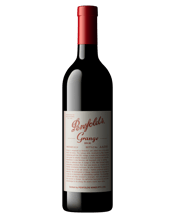
Penfolds Grange: Australia’s most iconic wine is collected all over the world – some vintages more than others. At the top of the pile is the 1951 Grange, which was the first-ever vintage and it didn’t even get an official release. You’re looking at $150,000 if you can find one (and they aren’t exactly making more of them, so it’s slim pickings). Some notable Penfolds Grange vintages within more recent years include 1990, 1998, 2002, 2010 and 2018.
Henschke Hill of Grace: The grapes that make Grange are sourced from various sites across South Australia, but Henscke’s Hill of Grace shiraz comes from just one single vineyard. Langton’s considers 2018 and 2015 (both highly regarded vintages in South Australia across the board) to be among the best in recent times.








%20(1)?$dans-daily-web-image$&hei=900)
?$dans-daily-web-image$&fmt=png-alpha&wid=800)