


Six steps to help you appreciate and talk about what’s in your glass.
When it comes to tasting wine, the only thing you really need to know is whether you like it or not. It could be the highest-scoring wine in the world, but if you don’t enjoy drinking it, what’s the point? That said, a little knowledge goes a long way, and the more you know, the more likely you are to find wines you love in the future.
Tasting a wine can be a daunting experience, but knowing what you’re looking for – and being able to talk about it – will add another dimension to your wine world, which is why we put together this simple guide to tasting wine. All you need is genuine curiosity, a willingness to learn and the ability not to take things too seriously. And a glass of wine, of course. Here’s what you do.
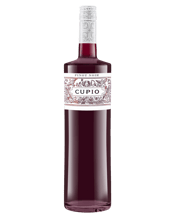
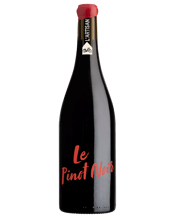
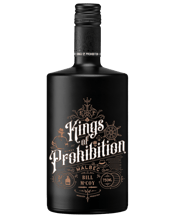
Pick up the glass, hold it on an angle and take a look. You're looking at a few different things, the most obvious of which is colour. Pinot noir tends to be the lightest of the reds while fuller-bodied wines, like cabernet sauvignon, shiraz and malbec, fall on the darker end of the scale.
You can also keep an eye out for 'viscosity', or the liquid’s consistency. This is what people are referring to when they say that a wine ‘has legs.’ Simply swirl the wine and look for droplets sticking to the side of the glass. The more droplets, the fuller-bodied the wine is. It’s also perfectly fine to do none of these things. You can simply look at the colour and say something like, ‘That looks nice,’ and everyone will agree.
Give the glass a swirl then stick your nose in – not into the wine itself, just the glass. What do you smell? Is it fruity? Floral? If it smells a bit like vanilla, it’s probably spent time being aged in oak.
Broadly speaking, red wines have aromas of red and blue fruits, as well as herbs, spice, chocolate and even leather or tobacco. Something light, like a pinot noir, will offer up notes of bright red cherries, whereas a shiraz may show blackberries and plums along with pepper. To decipher the difference takes some practice, but if you’re learning, stick to broad categories and be honest about what you can smell. Noses are amazing, but nobody knows what another nose is smelling, so don't overthink it.
This is, as you might imagine, the best part. And there are three things you’ll probably notice after tasting a wine. The first is flavour, with most red wines falling somewhere between fruity and savoury. Fruit flavours tend to be cherries and berries, while savoury refers to those earthy, herbal notes and pepper and olive.
The second thing you’ll likely notice is sweetness. Port is quite sweet, cabernet sauvignon is not. Does it taste sweet? Then say, ‘That tastes sweet.’ If you can't taste sweetness, then it’s dry. You can say, ‘Oh, that’s quite dry.’
Finally, have a think about the wine’s texture. If it feels heavy on the tongue then it’s likely full-bodied, while a lighter texture points to a light-bodied wine. You’ll hear people talking about tannins too, which are bitter and grip your mouth. Big red wines, like a Barossa shiraz, are high in tannin; pinot noir is not.




%20(1)?$dans-daily-web-image$&hei=900)
?$dans-daily-web-image$&fmt=png-alpha&wid=800)