


Crisp, refreshing, sweet, dry – cider is more complex than you might think, which is why we’ve created this handy guide for devotees and newbies alike.
If you were one of those kids who devoured an apple juice at recess (and did a lunchbox swap with your best friend so you could drink theirs) then chances are you’ve probably grown up to be a cider fan. Whether you’re a cider devotee or not, there’s plenty to learn about this tasty beverage. Just as you’ll find with beer, wine and spirits, cider is a spectrum. On one end you’ve got hyper-traditional producers, making cider the way it's always been with classic tastes in mind. On the other, new-wave makers are pushing cider into unique forms and flavours, crafting cider like you’ve never had before.
From how it’s made to the best way to enjoy it, we’re giving you the in-cider scoop on all things cider. Yes, we went there.

The process of making cider involves taking juicy, sweet, well-ripened apples (skin on) that have adequate levels of natural acids and tannins. The apples are then crushed into a pulp and pressed to extract the juice, separating out the solids before the juice is placed into fermentation barrels. From here, the juice can be fermented using wild yeast in barrels or, at a larger scale, using cultured yeast in steel tanks. The process will start after two days and can take up to two weeks. When fermentation is finished, depending on the style, the cider might be matured for five to six months or up to two years, allowing it to develop its complex flavours and aromas. It’s at this point that cidermakers and winemakers produce their craft in a similar way – they each aim to achieve a particular flavour profile for their product, and to do this, they take the time to trial and taste.
How does cider taste?
Aside from ‘delicious’, there are other ways we can describe the taste of cider based on the category it falls into. So, if you’re unsure which type will take your fancy, read on.
Dry ciders
Typically higher in alcohol levels and considered the most traditional form of cider, dry cider varieties are fermented for longer to draw out their refreshingly crunchy finish. They’re structured, complex and often aged in oak barrels. With less than 0.5% residual sugar, dry ciders are more acidic than other styles.
Semi-dry and semi-sweet ciders
These sound like the same thing, but they’re not quite. Generally, something marked as semi-dry will have up to 2% residual sugar, while something labelled semi-sweet could have up to 4%. Wherever you land, these styles are always a crowd pleaser, appealing to both sweet and savoury palates – if you’re a bit of a Goldilocks, these are not too sweet, not too dry, just right. They’re approachable, refreshing and can be slightly tannic and complex. Expect hearty fruit flavours and a solid body. Perfect for food pairing or when you’re hosting a house party.
Sweet ciders
Best enjoyed alongside a spicy Asian cuisine or dessert, sweet ciders have fresh, clean characteristics and a scrumptious finish derived from natural sugars or other sugars added during production. If you hate the bitterness of beer, a sweet cider might be exactly what you’re after.

Click image to shop

Click image to shop
The best ciders that aren't too sweet
We always hear from the cider-averse that it’s just too sweet. While the best cider always has a hint of sweetness, if you prefer that to be subtle and well-balanced by crisp acidity or funk, it’s important to know there’s a tonne of options out there from both traditional and new wave makers. Below are a few of our favourites:
Sitting somewhere between dry and semi-dry, Henry Westons Vintage Cider is a classically British cider with an ABV of 8.2%. You’ll find it’s less fizzy than many Australian counterparts, with a decidedly punchy flavour. Made from a single vintage of apples, it’s a strong and complex cider that’s world’s apart from the sweet takes you might be used to. Plus it’s vegan – not all ciders are.
Sidra Del Verano Spanish Apple Cider
Hop over to Spain’s sunny Basque region and you’ll find Sidra Del Verano Spanish Apple Cider, made the same way by the Soroa family since 1918. Again, you’ll find some sweetness here, but not the sickly kind, and tonnes of fruit flavour. It’s mind-blowingly crisp and phenomenal over ice on a lazy afternoon.
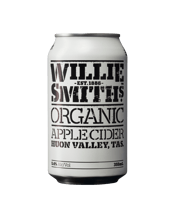
Aussie cider sometimes cops a bad rep as lolly water, but Willie Smith’s Organic Cider more than proves that wrong. If you’re thinking ‘I didn’t know Will Smith made cider’ – he doesn’t. But we’re confident he’d be a fan of this one regardless. There’s sweetness here, sure, but it’s balanced perfectly by tartness and texture. It takes inspiration from the traditional cider-making techniques of Northern France and is matured in French oak in Tasmania. In fact, you can visit Willie Smith’s for yourself (Australia’s first certified organic cidery) if you’re ever around the Huon Valley – we have and we highly recommend.
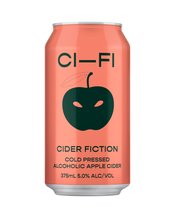
Ci-Fi Cider Fiction Cold-Pressed Apple Cider
Of course, the Barossa is traditionally known for its wine, but the region also produces some excellent cider. Case in point, Ci-Fi’s Cider Fiction. Super refreshing, and the perfect balance of crisp acidity with fruit flavour. If traditional ciders don’t do it for you, this is a stunningly modern (and vegan) take.
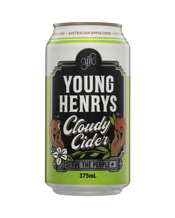
Famed brewers Young Henrys are lauded for their excellent beers, but their Cloudy Cider deserves a special mention, too. Royal Gala and Pink Lady apples create a hazy, unfiltered cider that is fruity without being overly sweet. There’s a sourness and full bodied-texture to this that we absolutely love and zero added sugars.
If you like something sharp and clean, Sidewood’s Pear Cider is an immaculate choice. No surprise, given the excellent wines Sidewood are known for. It’s truly unlike any of the other Australian ciders on the market. The flavour is subtle, with gentle spice and just a hint of acid and sweetness. Warning: it’s damn refreshing.

Click image to shop
In terms of temperature and glassware, let ciders “open up” like you would a nice white wine. Removing it from the fridge and setting it aside for five minutes at room temperature will do wonders. You don’t want it warm, just softened. You can totally enjoy a cider straight out of the bottle, but if you do have a fluted glass, pilsner or tulip floating around, pour your cider into one of these: they accentuate the bubbles in an effervescent cider and enhance the aromatics. Cheers to that!






%20(1)?$dans-daily-web-image$&hei=900)
?$dans-daily-web-image$&fmt=png-alpha&wid=800)