
?$dans-daily-web-image$&wid=1400)
Krishna Suresh, ride-or-die whisky connoisseur, gives us the low-down on the hottest new Aussie drams.
“I would prefer barley be fed to pigs than it be used to turn men into swine.” This was the cry of Lady Jane, wife of Governor John Franklin, the man who enacted the very unpopular Prohibition Distillation Act, banning spirits production in 1839 and effectively stunting Aussie whisky innovation for 153 years (read more about its history here). It wasn’t until Bill Lark, owner of Tasmania’s LARK distillery overturned the Distillation Act 1901 in 1992 that Australia discovered its whisky chops. And what chops!
Since then, we’ve proven just how delicious our Aussie whisky can be, winning award after award, year on year, all over the world. But what makes an Aussie whisky so good? And how does it define itself? Luckily, we’ve got just the man to answer those questions.
Krishna Suresh is the Spirits Specialist and Duty Manager at our Hornsby Dan Murphy’s store in Sydney. He’s also a total whisky nut. Krishna knew his calling after his father handed him a dram of Talisker on his birthday. Since then it’s been a love affair for the ages. Krishna began his career after a 10-month engineering internship at LARK itself, and has since continued with his Bachelor in Chemical Engineering (Honours) all while working diligently for yours truly. We were fortunate to pick Krishna’s whisky-nerd brain about Aussie whiskies, why the category is only just getting started and which bottles are making him the most excited right now.
Aussie whisky is relatively new compared to its European, American and Japanese cousins, so there aren’t any real benchmarks or many strict rules surrounding it – besides the fact that it needs to be held in oak barrels, have no added colour and be aged for at least two years. And unlike somewhere like Scotland, which requires lengthy time in barrels to produce a good quality Scotch, Australia’s weather means far less time is needed to make a great product. “We have a bigger temperature variation between hot summers and cold winters, which means the whisky expands into the grain in summer, and in winter contracts, drawing out the flavours of the barrel to create the spirit's unique flavour profile,” explains Krishna. “So, developing that flavour and quality is much quicker than in a consistently cold country like Scoland, which means Australia can create phenomenal whisky in six to eight years as opposed to waiting 12 to 15.”
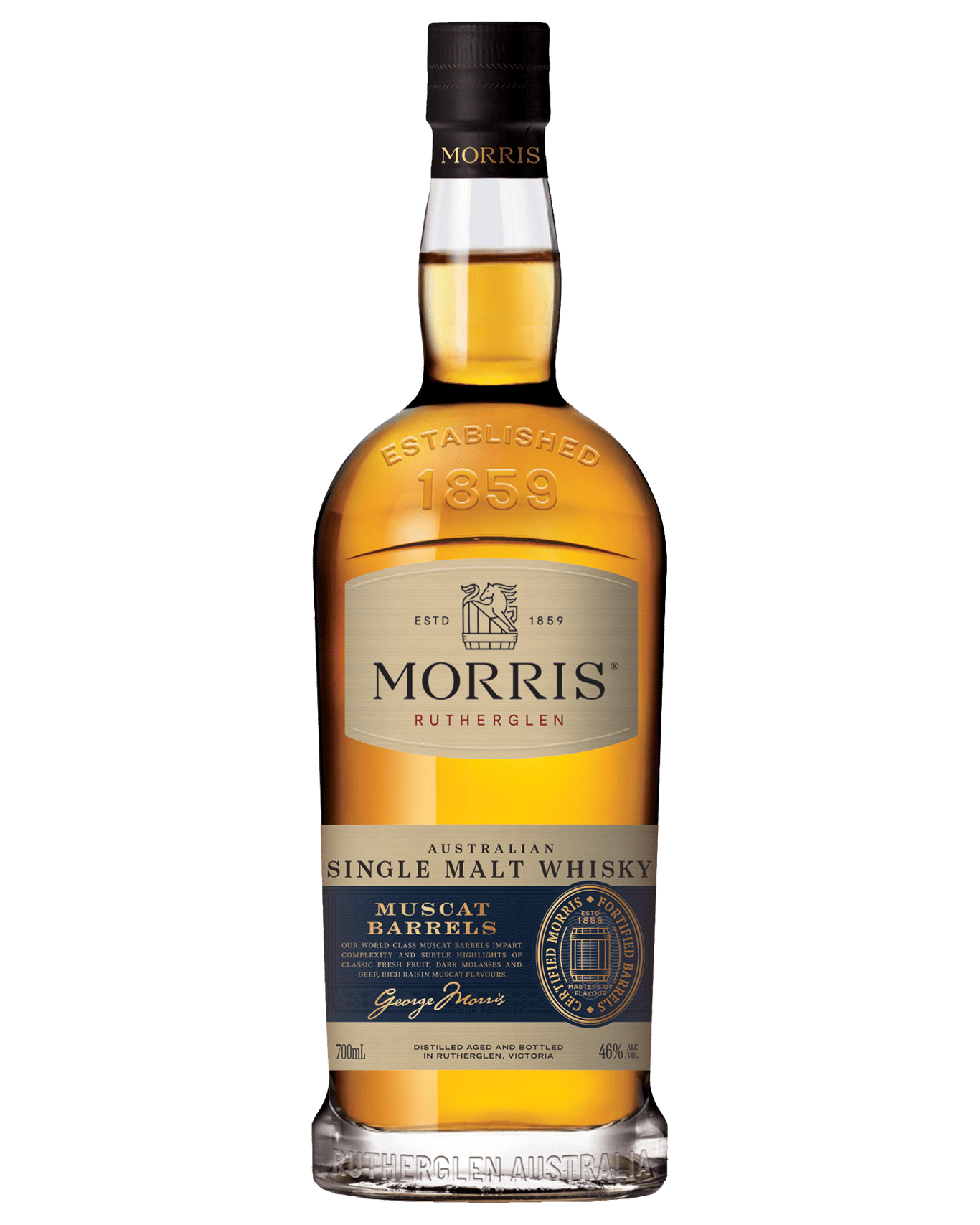
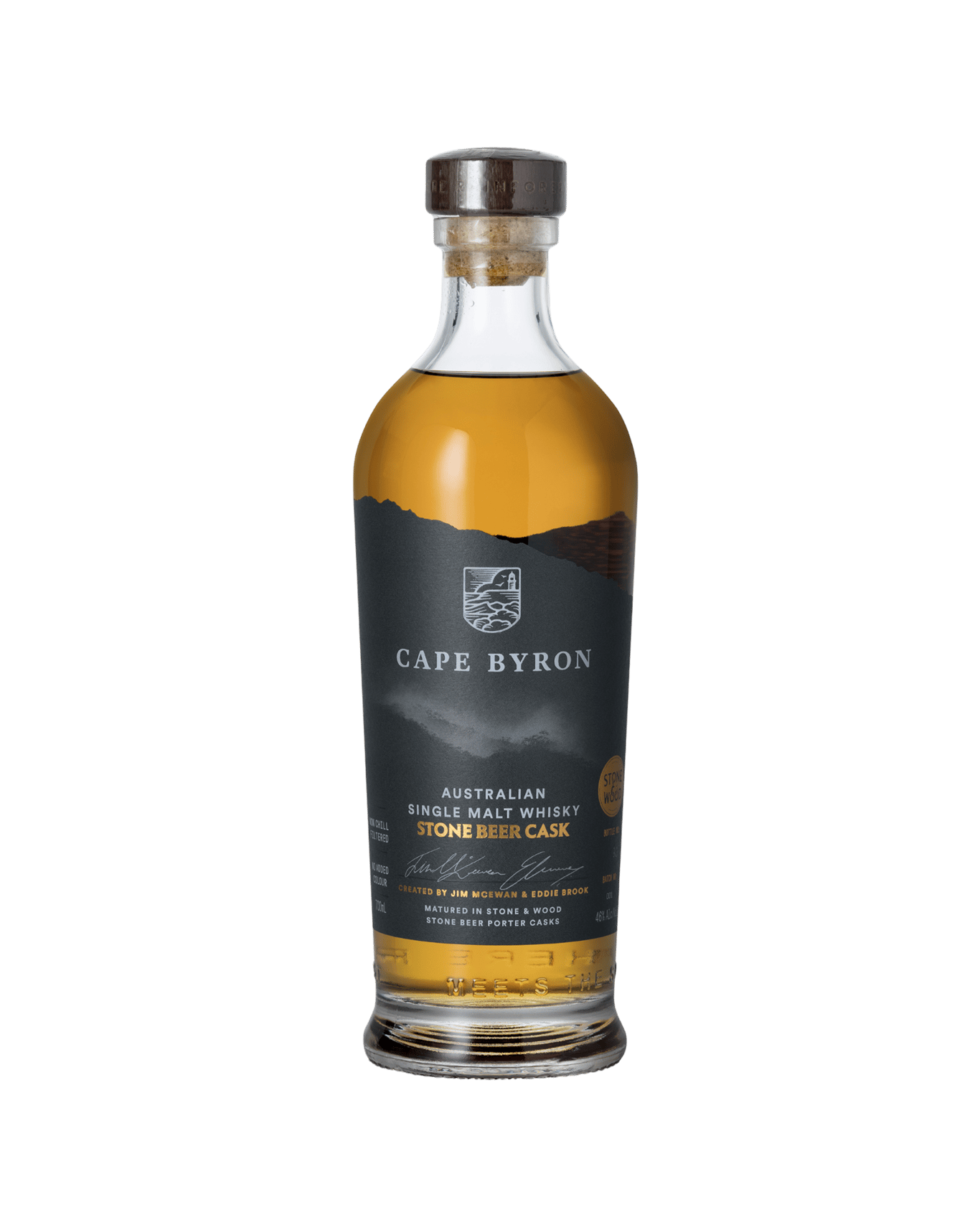
So, our whisky takes less time to mature, but what else separates us from the rest of the world? For Krishna, it’s our access to unique barrels. “Because we have a big wine and beer industry, we have access to these really, really high-quality oak casks that have previously held stuff that is revered around the world,” says Krishna. “Take, for example, Australian fortified wines, Australian shiraz or even beer barrels. They are just such good quality, which means the whisky going into it next also draws from that quality.” Some examples are the Morris Muscat barrels that previously housed award-winning fortified wines or the Stone & Wood beer barrels from Cape Byron, but more on that later.
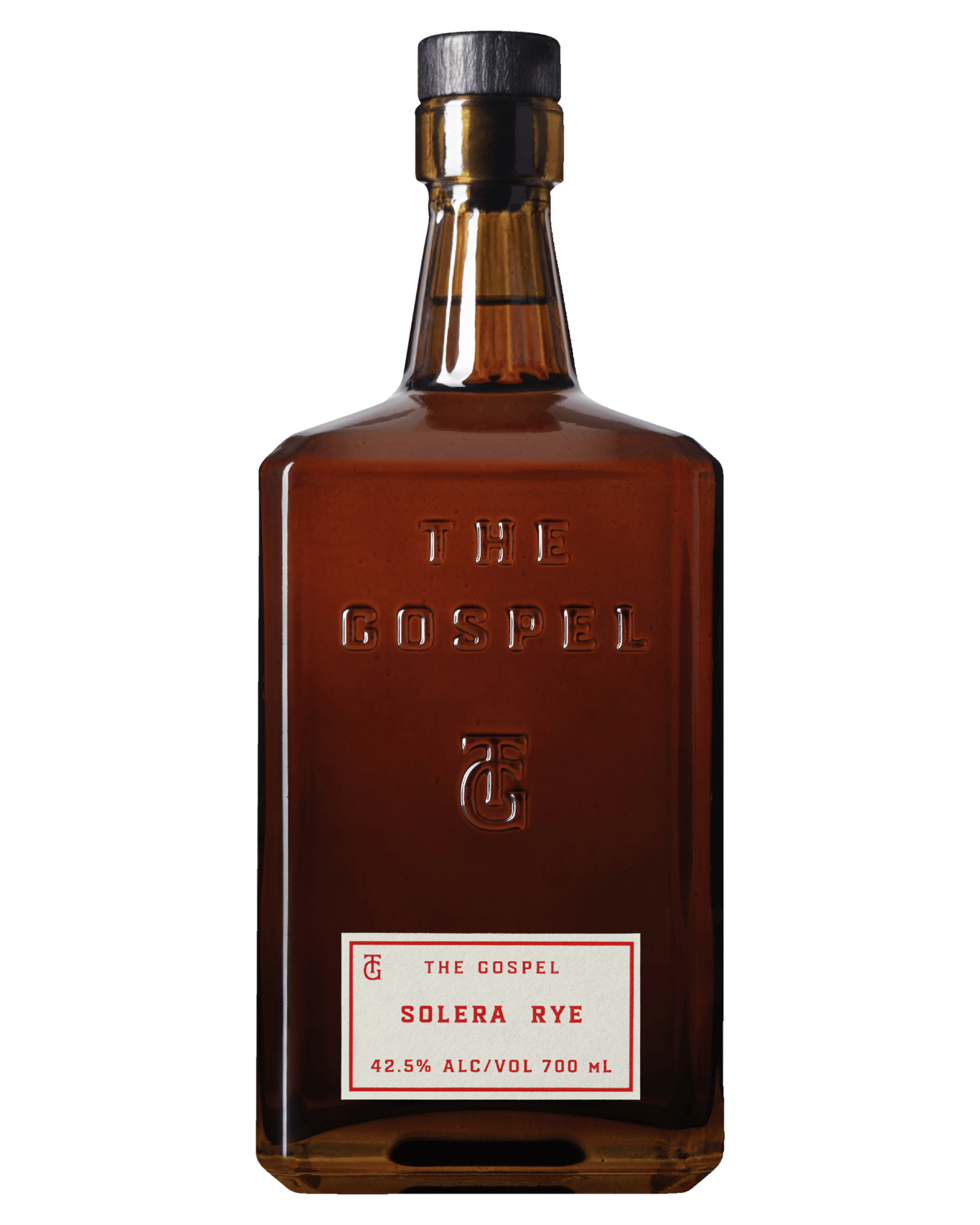
The hills hoist, the black box, goon bags and even wi-fi were all created by Aussies. Who’d have thought? Creating and innovating seems to be our MO – which is part of the reason why our whisky is so damn good. “Innovation is a key, if not pivotal, part of Australian whisky. All the distilleries I've seen and the ones I've worked with always break the mould and break boundaries,” explains Krishna. “Things like a solera maturation for Gospel whisky, or the fact that Amber Lane uses a Cognac-style maturation – we're seeing these very very subtle innovations create differences that make a uniquely characterful spirit.”
As for future predictions? “It’ll be interesting to see how distilleries tackle the challenges associated with sustainability and managing the costs and taxes that go along with it,” says Krishna. “But I think that we'll see a lot of growth and continued innovation, to the point where maybe some of this stuff that we’re talking about today becomes standard practice.”
Click image to shop
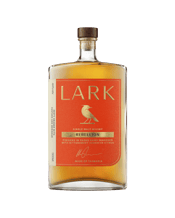
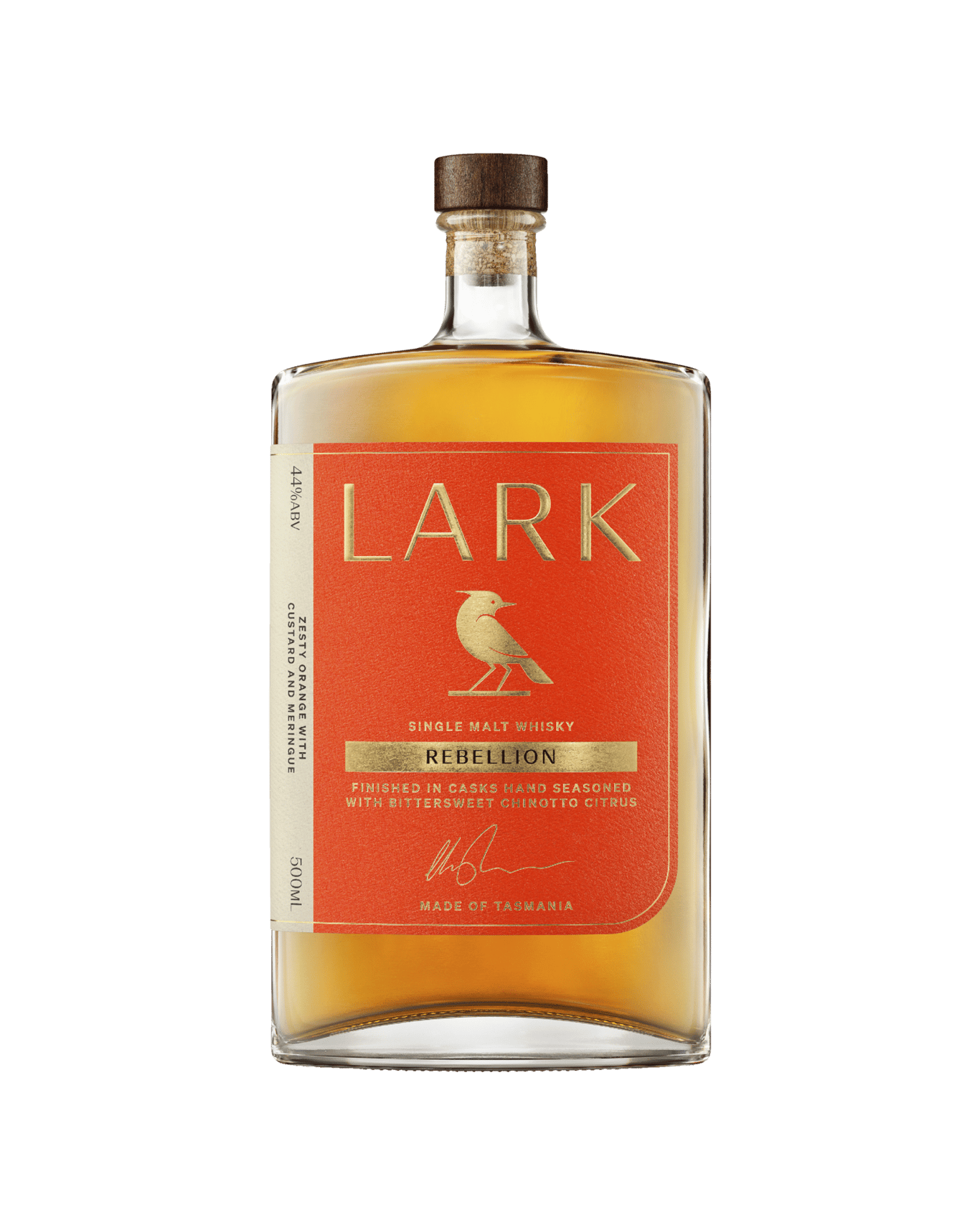
1. Lark Chinotto Citrus Cask Single Malt Whisky
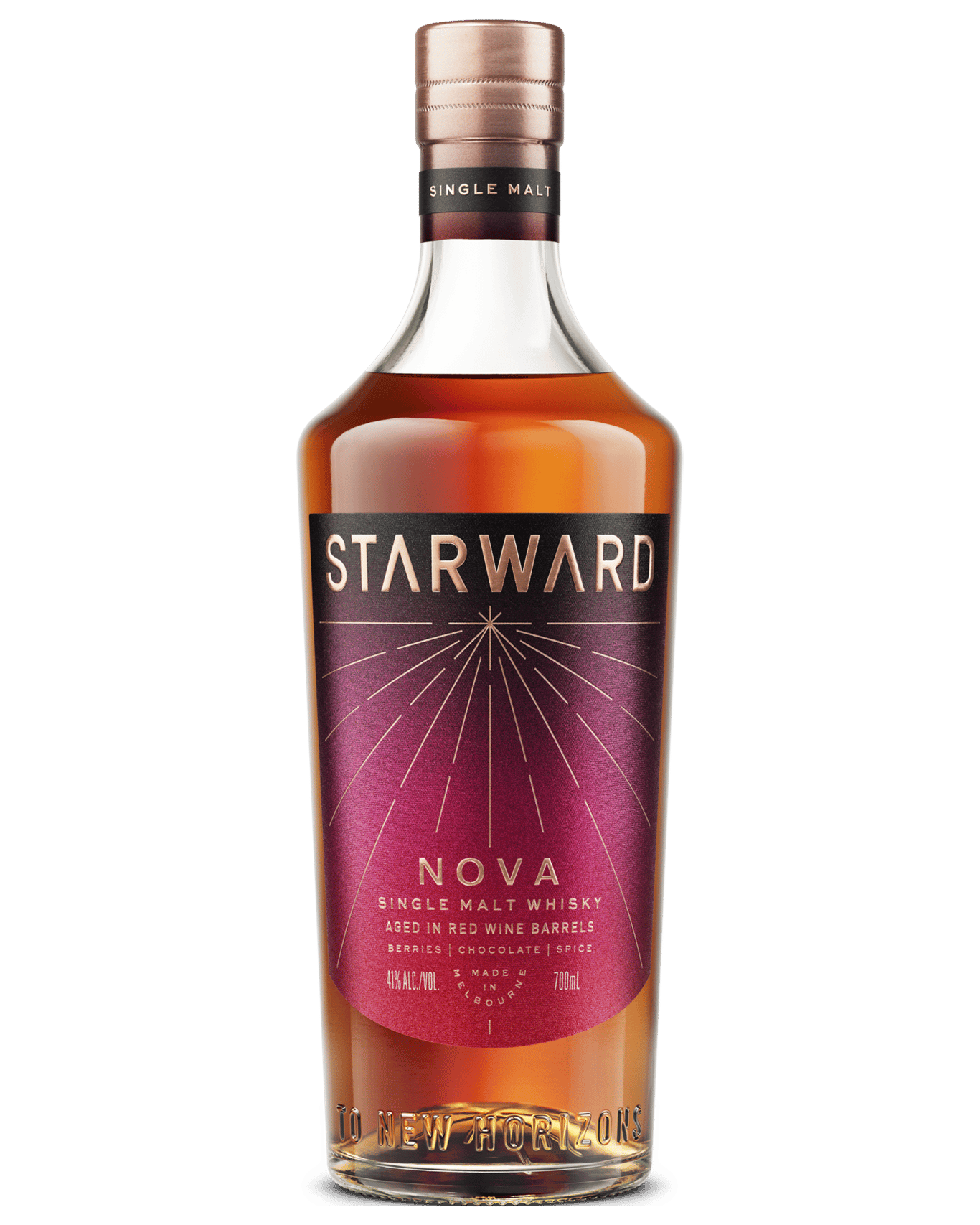
2. Starward Nova Single Malt Australian Whisky
Click image to shop
Click image to shop
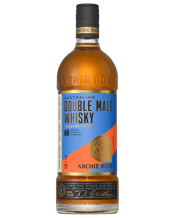
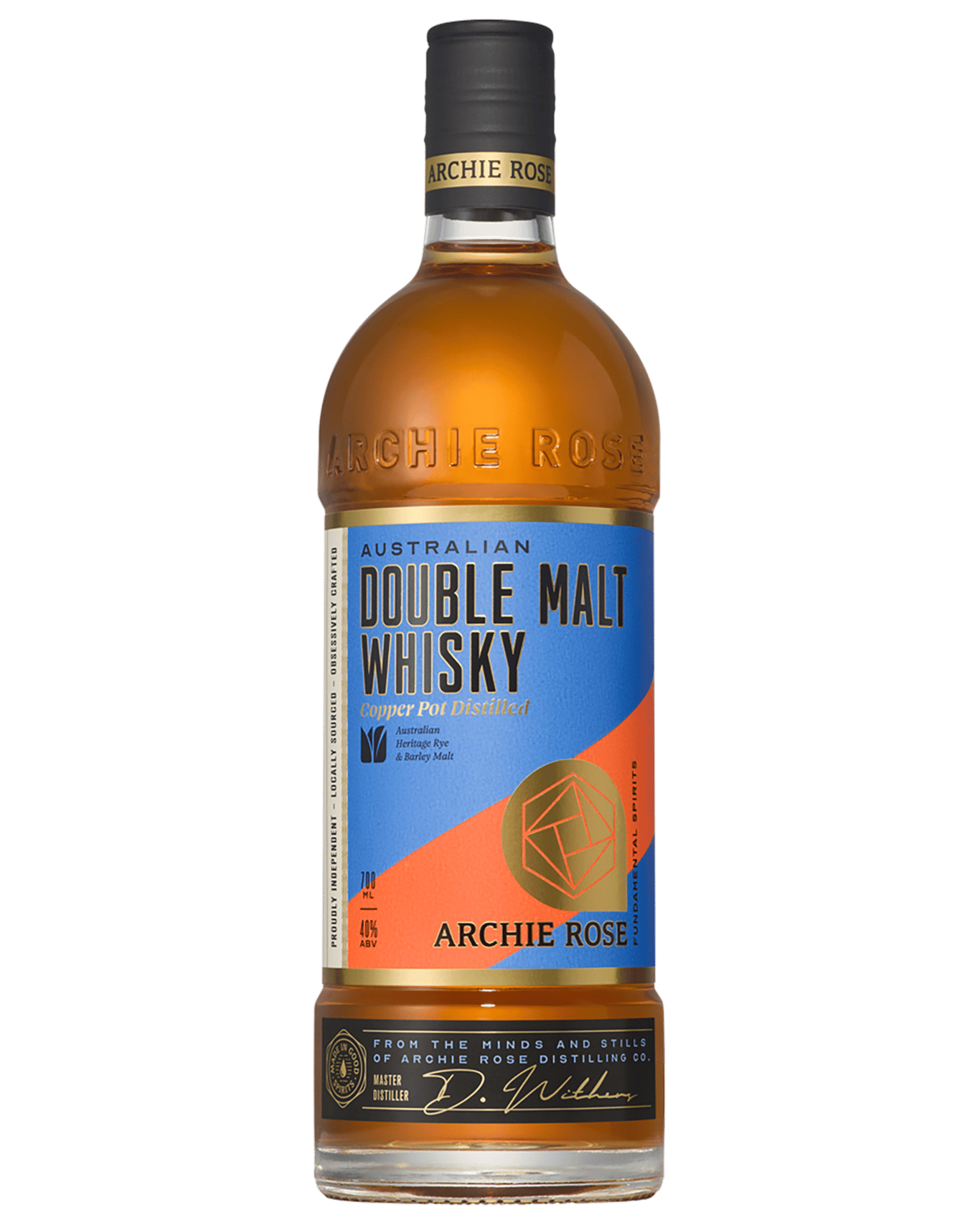
3. Archie Rose Double Malt Whisky
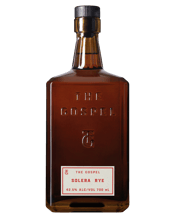
4. Gospel Solera Australian Rye
Click image to shop
Click image to shop
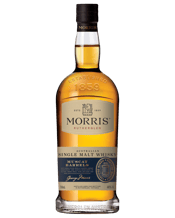
5. Morris Rutherglen Muscat-Barrel Single Malt Australian Whisky
6. Cape Byron Distillery Stone Beer Cask Whisky
Click image to shop