


Craft whisky is celebrating 30 years of production in Australia – and it’s only just getting started.
The Australian craft whisk(e)y scene is younger than Hilary Duff. (Irrelevant? Maybe. Did I watch A Cinderella Story on the weekend? Absolutely.) While it might be popping off nowadays, with an assortment of small labels creating unique, intriguing and – most importantly – delicious whiskies, it wasn’t always this way. In fact, it’s really only in the last 30 years that Australian craft distilling has been able to flourish and it’s all because of one much-loathed piece of legislation – the Distillation Act of 1901. Are we about to tell a fun, sexy story about legislation? You betcha! Strap in.
The Distillation Act of 1901 prohibited a distilling licence from being issued to anyone with a wash still smaller than 2,700 litres – basically any distillery that wasn’t a huge commercial one. Very Mr Monopoly of them. This extinguished any small producers that were already around and dampened any would-be innovators from crafting anything new, and it stayed that way until 1989 when one whisky-loving Tasmanian dared to challenge it.
Bill Lark was enjoying a nip of whisky on a fishing trip in ‘89 when he had the realisation that Tasmania was home to all of the ingredients required to create world-class whisky – so why hadn’t anyone done it yet? After a little research Bill found out about the archaic Distillation Act of 1901 and decided that he was the man to take it on. After lobbying his local member, Bill was successfully able to get parts of the Distillation Act overturned and suddenly craft distilling in Australia was back on the agenda.

Click image to shop
So what’s the first thing Bill did after changing laws and reshaping the landscape for Australian producers? He started making whisky, of course. And so in 1992, the Lark household became the first Australian distillery to produce single malt spirit in 154 years. These days Bill is referred to as ‘the grandfather of Australian spirits’, a more than worthy title for a local legend who completely changed the game.
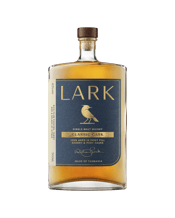
The Lark distillery stands to this day, and this year celebrated 30 years of pioneering Australian whisky. Their Classic Cask Single Malt Australian Whisky is one of the country’s most beloved craft whiskies (and Bill’s favourite too), a nimble balance of sweet, spicy and savoury elements that set a new standard for Australia.
While Tasmania is the birthplace of modern Australian whisky – and home to more distilleries per capita than anywhere else in the world – distilleries have since popped up across the country. All around Australia producers are now following in Bill’s footsteps and crafting their own unique whiskies and pushing the entire scene forward.

Click image to shop

Click image to shop
One of the most talked about Australian craft whisky producers is Melbourne label Starward, whose renegade attitude towards distillation is markedly true blue. Rather than fighting Melbourne’s tempramental, four-seasons-in-one-day weather, Starward have used it to their advantage. Fluctuating temperatures means the whisky interacts with the barrel at a much more rapid rate than it would somewhere like Scotland, meaning Starward’s whiskies taste wise beyond their years.
Combine that with the use of premium wine barrels sourced from local wineries and you’ve got a winning whisky. Their Two-Fold Double Grain Australian Whisky for example, is a no-holds-barred sip thanks to spending some time in the same barrels as full-bodied Aussie red wine like shiraz and cabernet. It’s no surprise these legends took home no less than 15 gold medals at the most recent World Spirit Awards.
The importance of barrels in creating great whisk(e)y can’t be overstated enough – it’s the most crucial step in the entire process. It’s also the step that many Australian distillers have been looking at changing in order to set themselves apart from the rest of the world.

Click image to shop

Click image to shop






%20(1)?$dans-daily-web-image$&hei=900)
?$dans-daily-web-image$&fmt=png-alpha&wid=800)