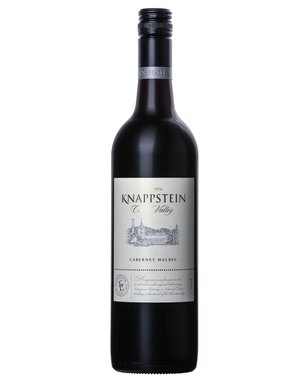
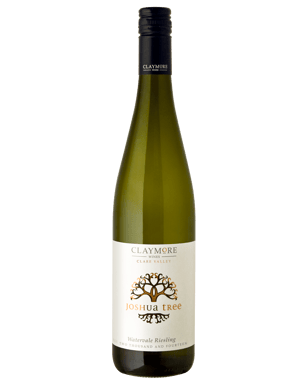
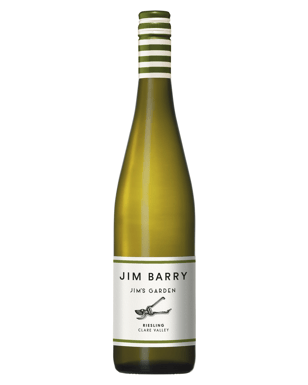
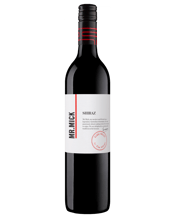
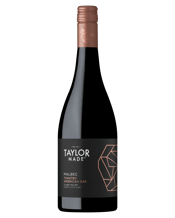
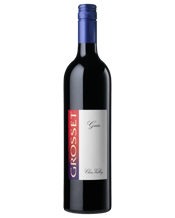
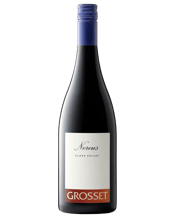
Uncover the magic of the Clare Valley ‒ a small region with a big reputation for incredible food and wine.
As anyone with a penchant for world-class wine will tell you, Clare Valley is an underappreciated gem of a wine destination – and just a 90-minute drive north of Adelaide.
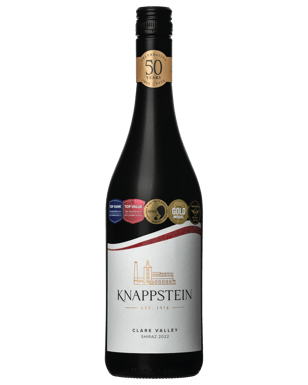
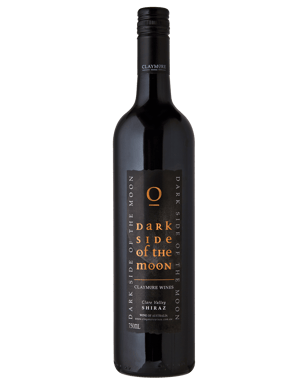
Given its reputation for crisp, elegant wines, you might be surprised to learn that Clare Valley is slightly hotter than the sun-soaked Barossa. Sure, it enjoys warm days, but cold nights and cool breezes help keep things fresh in the vineyard. And with an undulating geography and patchwork of different terroirs, the region boasts a diverse range of styles and varieties, from bright rieslings with zinging acidity, to plush, full-bodied shiraz, and everything in between.
If this region’s next-level wines and picturesque natural beauty aren’t enough for you, you'll also find a small but welcoming community that does food as well as anyone (and some say better). Packed full of cosy country pubs, welcoming cellar doors and a plethora of outdoor adventures, Clare Valley is a laidback region that every oenophile should have on their list, whether they're after riesling – the region's specialty – or any of the other mouthwatering wines on offer.
Elevation – 250–550m
Total vine area – 5,093ha
Average annual yield (grapes crushed) – 22,000 tonnes
Soil – A patchwork of soils types, including terra rossa, limestone, slate, sandy loam and quartz
Climate – Warm continental climate with hot days, cold nights and cooling breezes
Mean temp (Jan) – 22.3°c
Average growing season rainfall – 232mm
White grapes – 28%
Red grapes – 72%
1. Shiraz – 32%
2. Riesling – 29%
3. Cabernet sauvignon – 18%
4. Merlot – 6%
5. Chardonnay – 5%
The Clare Valley’s first vines were used to produce sacramental wine (yep, the stuff served up at communion). Impressed by the fertility of the local soils, a group of Jesuits settled near the township of Clare in 1851. They took up residence in Sevenhill, where they established the vineyards that would help launch the region's winemaking industry.
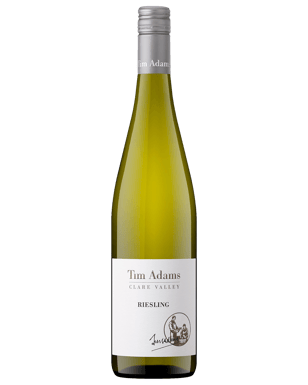
While riesling may not be the region's most planted variety, it is far and away its most famous. There is a certain je ne sais quoi about Clare Valley riesling, a magical combination of racy acidity, fine fruit and an undeniably refreshing quality that has earned it an international reputation as the benchmark for Australian rizz.
- Despite having a hotter climate than the Barossa, Clare Valley wines stay fresh due to high diurnal variation ‒ this means there’s a significant difference between daytime and nighttime temperatures. In fact, during the main ripening months, it’s common for the temperature to drop from 40°c during the day to 1°c at night. That might sound nuts, but it helps to slow ripening and add complexity – especially important for aromatic varieties like riesling.