


We decipher the craft beer code so you can discover your favourite style.
Dark, thick and heavy – there's nothing quite like a stout, and there's more to stouts than Guinness (as good as it is). Though most would associate craft beer with the pale ale and its offshoots, dark beers have reaped the rewards of brewer experimentation over recent years.
Take the Imperial stout, which was brewed in the 18th century for Catherine the Great and re-emerged in the US craft-beer scene towards the end of the 1990s. These are big beers – over 9% ABV – and often aged in whisky or bourbon barrels, allowing the stout's rich coffee and chocolate notes to mingle with whatever spirit has soaked into the barrel's oak. There are also milk stouts, which use lactose to add volume and sweetness, and can be brewed with raspberry, cherry, coconut or whatever else to make really interesting, unique beers.
Sour beers have made a real splash in recent years and are sometimes – perhaps unfairly – described as the beer for people who don't like beer. Fortunately, they're also the beer for people who love beer, thanks to a mind-bogglingly large variety of examples and no real rules to their production.
Though Australia's infatuation with sours kicked off in the latter part of the decade, sour beers happen to be the world's oldest style and most beers were, at one stage, sour. The sourness is a result of bacteria and wild yeast affecting the brewing process, giving the beer a tart acidity and funkiness. From strawberry to guava and mango to blueberry, the flavours on offer means that there's a sour that'll appeal to every beer drinker, if you're willing to look hard enough.
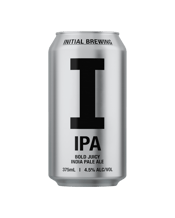
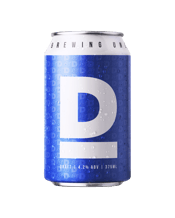

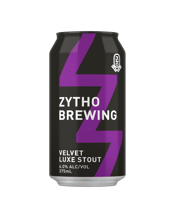


%20(1)?$dans-daily-web-image$&hei=900)
?$dans-daily-web-image$&fmt=png-alpha&wid=800)