There's magic in McLaren Vale, but what is a biodynamic wine, and why does the Vale do it so well?

For a wine to be certified organic, it must be produced from grapes that are grown without the use of man-made fertilisers or pest control. Anything artificial is out, and the goal is to allow nature to do what it does best. Biodynamic farming takes things a step further by treating the vineyard, or the entire property, as a single, self-sustaining ecosystem, rather than the sum of individual parts. It's as advanced as organic farming gets, with practitioners even taking the lunar cycle into consideration when planting and harvesting.
The result? Wine that tastes like wine, thankfully. Those that love organic and biodynamic wines point to the rich flavours and purity of fruit that's truly reflective of a vineyard; or 'terroir', to use wine speak. And though it would be near-impossible to pick a biodynamic wine in a blind tasting, there's no doubt that the more natural the grape-growing and winemaking process, the more pure – and therefore enjoyable – the wine will be.
Given the nature of its climate and geographic location, McLaren Vale is an ideal place to practice organic and biodynamic growing. There's a lovely sea breeze in the afternoon that cools the region overnight, so the vines aren't nearly as stressed as they are in warmer climates like the Barossa. As a result, biodynamic farming has really taken off here and the proof is in the fruit; it's incredibly beautiful, fresh fruit that's free of disease, and if the practices are used on a regular basis, the vineyards stay in much better balance than those that use chemicals to react to problems. That's a win-win for winemakers and grape growers.
It can be expensive to go through the process of converting vineyards to being biodynamic, but once growers do, the results seem to speak for themselves. Another wonderful thing about McLaren Vale is that people tend to be really open with their knowledge and assistance, so there's a good resource in the people that have been doing this for over 20 years now. This community spirit, which can be found across the entire region, is part of the reason why biodynamic winemaking has taken off so well. So much so that in another 15 or 20 years, vineyards that aren't biodynamic may well be the exception here.


On the topic of tourist attractions, there are few sights in the Vale as recognisable as the d'Arenberg Cube. This five-storey cellar door and art gallery attracts visitors from all over the world, but a tiny percentage of those people are likely to be aware of the winery's biodynamic credentials. Like Gemtree, d'Arenberg uses solar power, sheep 'technology' and natural disease control, with all their vineyards being certified for organic and biodynamic processes in 2016.
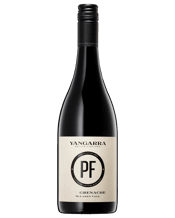
Yangarra Estate has been certified biodynamic even longer than d'Arenberg, thanks largely to the efforts of celebrated winemaker Peter Fraser. He's been in the biodynamic game for decades now, and his Grenache is considered some of the best wines in the Vale, if not the country. It was named James Halliday's Wine of the Year in 2020, proving just how rewarding biodynamic winemaking can be. Best of all, nothing goes to waste at Yangarra, with the leftover grapes being repurposed as fertiliser to be used later in the year to support the new growth.
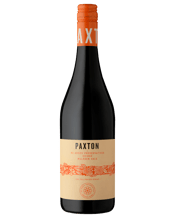
Paxton Wines, which is one of the largest biodynamic producers in the country, takes a similar approach to Yangarra when it comes to repurposing waste, using chemical-free manure from the on-site cattle herd to fertilise the vines. They also brew their own compost tea, which is spread throughout the vineyard to prevent fungal diseases. The goal in the vineyard is 'to mimic the characteristics of a natural system,' going as far as incorporating bee hives between vine rows to improve pollination. It's this kind of commitment to sustainability and the natural world – a common attitude throughout McLaren Vale – that stands the region in such good stead for the future.