

The natural wine movement is all grown up. Get to know four benchmark producers and their wines you need to try.
The term “natural wine” comes with a side of confusion. Over the past 10 or 15 years, it’s become a default expression for the more experimental types of wine that differ from conventional drops. The most obvious might be orange, funky, spritzy or cloudy, but when these styles are made by conventional producers, are they also natural wines? On the flipside, many natural wines can be crystal-clear with all the other quality hallmarks expected from top-tier traditional drops. And isn’t all wine natural anyway?
Even the people who make so-called natural wines don’t always embrace this term. After all, while the natural wine movement has brought swathes of colour, personality and experimentation to the industry, there’s also been a mixed bag of quality over the years. As Martin Moran of Mordrelle Wines points out, there isn’t actually an official definition. “Some people might think ‘natural wine’ means you use a minimum amount of sulphur, or you might not use it all, but it’s a loose concept without any proper description or standard of what it means,” says the winemaker from Hahndorf in the Adelaide Hills. “I like to call it minimal intervention rather than natural, and I see this way of winemaking as going back to its ancient roots.”
Producers in South Australia’s Adelaide Hills – namely the Basket Range subregion – have long been a driving force behind Australia’s new-wave wines. Deliciously different releases from the likes of Ochota Barrels and Lucy Margaux, to name just two of its early trailblazers, were quick to draw a mass of attention and curiosity, leading Basket Range to be considered the birthplace of natural wine in Australia. Internally, we’ve nicknamed these producers the New Romantics, and it’s them we often look to for insights on how the movement is evolving and what might come next.
Basket Range vigneron Brendan Keys of BK Wines agrees the term ‘natural wines’ is fraught. “It’s become the same as craft beer – a catchphrase that’s been used to death,” he says. “One main difference is the farming, so for us, organics is very important. And I’m not anti-sulphur in the winery, I just take an approach that there’s no formula, so I look at every single wine as its own thing and simply make a style I’m passionate about that best expresses its site.”
Little to no additions in the growing and making process are key factors in the production of these wines, hence the minimal-intervention tag. And like all good winemaking, the aim is to capture a true sense of place in the bottle in the best possible hands-off way. As natural wine enters its third act – shifting from underground to mainstream and on to further refinement – the same Adelaide Hills winemakers (and many more around the country) are ensuring the category continues to deliver focus, innovation and quality. It’s not natural for the sake of it, but through a genuine commitment to improving vines and techniques to make wines that are both minimal intervention and exceptional.
Here, we meet four producers who have continued to raise the bar in terms of just how exciting these wines can be. If you’re keen to see what they’re all about, take your pick from these star releases below.
At a glance: four of the best minimal-intervention wines to try

Click image to shop
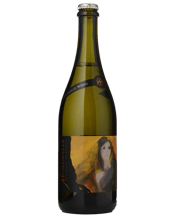
1. Mordrelle Blanc de Blancs
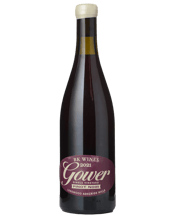
2. BK Wines Gower Pinot Noir

Click image to shop

Click image to shop
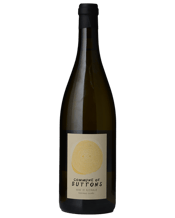
3. Commune of Buttons Chardonnay
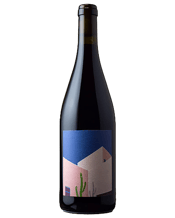
4. Basket Range Banksia Pinot Noir

Click image to shop