


Discover a few interesting differences between two of the world's most popular spirits.
If there was ever an expert on vodka and gin, it's James Bond. He ordered 35 martinis over the course of his decorated career in international espionage and we can confirm that they were all shaken, not stirred. But Bond, it would seem, was unable to choose between vodka and gin; 19 of those martinis were made from vodka, while 16 were made from gin. If 007 himself couldn't decide between the two, what chance do we have?
Fortunately for you, we have all the details on what makes vodka and gin different, what makes them similar, and when each one will likely serve you best. We're not saying that this information will make you more charming than James Bond, but it'll come close.
The origins of vodka can be a little touchy. Ask the Russians and they'll say Russia, ask the Poles and they'll say Poland. We'll never get to the bottom of who made it first, but all you really need to know is that it was one of the two, though the Swedes may have something to say about that.
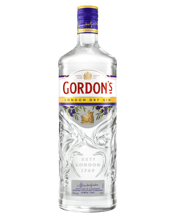
Gin, on the other hand, comes from the Netherlands. Ever wondered where the term 'Dutch courage' comes from? Dutch soldiers were known for having a nip of gin before going into battle and the British soldiers, upon seeing the Dutch bravery, enthusiastically adopted the spirit themselves. Or so the story goes. It soon became Britain's most popular spirit and iconic brands like Gordon's and Tanqueray were established in London, which led to the development and popularity of London dry gin.
Simply put, vodka is a spirit with a neutral taste, colour and smell. Sound bland? Well, it's this neutral character that has made vodka the highest-selling spirit in the world. It can be distilled from many things, including potatoes, but is more commonly made from grains like rye, wheat and corn. After distillation, or even triple distillation, the vodka is filtered to enhance its purity, often through charcoal, which gives it that smoothness.
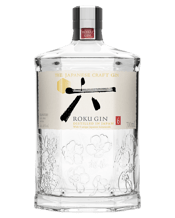
Gin can technically be described as a flavoured vodka. It too begins its life as a grain and is distilled into a neutral spirit; however, it's then redistilled with juniper berries, which are the key ingredient in classifying a spirit as gin. The juniper berry gives gin its famous piney character, though it's just one of the natural botanicals used to flavour gin during distillation, with every recipe being different.
There are two types of vodka you'll encounter: plain and flavoured. Plain vodka, as mentioned above, has a neutral taste, colour and smell, making it a popular spirit to use in cocktails. High-quality examples tend to be smooth and can be enjoyed straight. Flavoured vodkas, which were first released in the 1980s, have become incredibly popular in recent years and use natural flavours, such as lemons or berries, to add different characteristics to the final product.
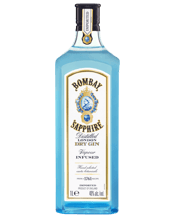
When it comes to gin, the classic style is a London dry gin, which has those juniper-forward notes that many associate with the spirit. To be classified as the London dry style, a gin must've had all its flavourings imparted during distillation, rather than flavouring being added once the process has finished.
Another style is American gin, which continues to grow in popularity because it tones down the juniper notes and is consequently considered a more accessible style of gin. There's then Plymouth (gin made in Plymouth, UK), Navy Strength (57.1% ABV or above) and Old Tom (a sweeter, more full-bodied style), though these are far less common.
Bond had his martinis, of course, but there are plenty of other uses for these two spirits. Vodka is the preferred base for a bunch of cocktails including a Bloody Mary, Cosmopolitan and the much-loved Espresso Martini.
In the world of gin, the classic gin 'n' tonic reigns supreme. It's simple, refreshing, versatile and tasty, with a near-unlimited number of combinations thanks to the range of different gins on offer. But you've also got lesser-known cocktails like the Eastside, which combines mint, lime and cucumber for the ultimate refreshment, or a Southside, which is said to have been the preferred tipple of mob boss Al Capone.






%20(1)?$dans-daily-web-image$&hei=900)
?$dans-daily-web-image$&fmt=png-alpha&wid=800)