


Swear by shiraz? Mad for merlot? These different, delicious varietals will open up a new world of wine.

A blend of grenache, shiraz and mourvedre, your typical GSM is a juicy, crowd-pleasing wine that always has a seat at the dinner table, whether it's a weeknight or a special occasion. The grenache brings the juiciness and bright berries while the shiraz and mourvedre add weight, texture and richer flavours.
Australia is pretty fortunate to have the warm climate suited to GSM blends, so you'll see a lot of examples coming out of both the Barossa and the Hunter Valley. The cool thing about GSMs is that they really differ depending on the ratio of grenache, shiraz or mourvedre used for the blend. Some are best drunk young; others will only get better with age, thanks to the structure provided by shiraz or mourvedre. It's the perfect excuse to try wines from different regions, and even different vintages, all in the name of, ah, research.
Drink it with: an Angus beef burger or tomato-based pasta dishes.
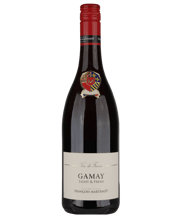
Gamay and pinot noir come from the same family of grapes so they share a few similar characteristics. They're both light-bodied, often delicate wines, with gamay bringing those fun, red-berry flavours found in many styles of pinot. It's received serious attention from winemakers in Australia's cooler-climate regions as well as France, meaning there are some seriously underappreciated wines making their way into the market.
Think of it this way: pinot has always been the family favourite. It's charming, attractive and bright. It can be serious when it has to be, a little silly when surrounded by the right people. Gamay, on the other hand, was once written off as pinot's 'creative' cousin – a fun imitation with little-to-no substance. Then, one day, gamay managed to land a part on that TV show, or had its experimental novel published to critical acclaim. Everyone suddenly realised that gamay was a complex and perhaps brilliant individual. They sat up and asked, what else is gamay capable of?
Drink it with: dishes you may have once thought of as white-wine territory, like chicken, turkey or spicy Asian meals.
Tempranillo is anything but temperamental. Versatility is its middle name, whispered, of course, in a soft Spanish accent. The grape's spiritual home is the region of La Rioja, in northern Spain, through which the famous Camino de Santiago travels with pilgrims often heard preaching 'no vino, no Camino'.
The grape produces a medium- to full-bodied wine that offers serious bang for your buck. It's a super accessible grape, with wines at the lower price points still being really drinkable. In Australia, tempranillo has taken to the climate of the Barossa Valley, where warmer temperatures lead to ripe, juicy flavours, though there's a lot of exciting work being done in cooler climates like the Adelaide Hills. The lower temperatures produce a more elegant wine that coaxes the grape's acidity out to play.
Drink it with: anything Spanish. We're thinking chorizo and jamon, though it's also a dependable drop for an afternoon barbecue.

Try: 19 Crimes Malbec
Okay, shiraz drinkers. We get it. You like shiraz. So do we. Agreed? Now, just hear us out, because we know that you're creatures of habit. Aussie shiraz holds a special place in many hearts thanks to the big, bold beauties coming out of the Barossa, but life is what happens when you're busy making plans to buy another bottle of shiraz and 'life', in this example, refers to the ridiculous amount of other options.
Let's take malbec as an example. Argentina has become malbec's global centre, with the Mendoza region producing smooth, smokey wines that are really fun to try. The Australian examples tend to be a little richer and more tannic, but you're generally getting a full-bodied red with rich, dark-fruit flavours, often with notes of juicy red plum, blueberry and chocolate.
Drink it with: chargrilled meat. It has a similar flavour profile to shiraz, making it the perfect drop to bring along to a barbecue or pair with a nice steak at home.

Try: Masseria Altemura Apulo Primitivo
Fine, you win: primitivo and zinfandel are actually the same thing. That said, they're pretty different interpretations of the same grape. The American candidate, zinfandel, tends to be smooth and sweeter than primitivo, its Italian counterpart. Primitivo is a lot more earthy and peppery, similar to an in-your-face Shiraz, while both zinfandel and primitivo are known for delivering big alcohol content around the 14 or 15% mark.
Drink it with: big flavours over a long dinner. Slow-roasted, caramelised meat and veg will shine alongside these wines.






%20(1)?$dans-daily-web-image$&hei=900)
?$dans-daily-web-image$&fmt=png-alpha&wid=800)