The difference between whisky and whiskey is more than a simple typo.
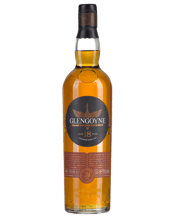
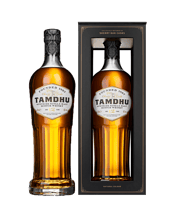
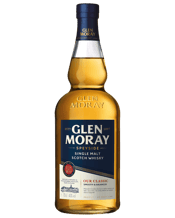
Here’s the most important thing: Scotch whisky is made in Scotland.
It’s the same as Champagne coming from the Champagne region, so if the whisky isn't Scottish, it isn't Scotch – got it? There are other conditions too; namely, Scotch must be made from grain grown in Scotland, aged for at least three years in oak casks and bottled at 40% ABV or more. It also tends to have a signature kick to the throat – the Scots take their whisky seriously.
There are five Scotch whisky regions: Highland, Islay, Lowland, Speyside and Campbeltown. Each region brings a unique flair to their expression of whisky, while a Scotch may also taste smokier if the grain is originally dried using a peat fire. Peat, which is a wet organic matter found in bogs and the like, has been used as a source of fuel in Scotland and Ireland for many, many years, so you can be sure that anything sold as a peated whisky is going to have those really smoky flavours.
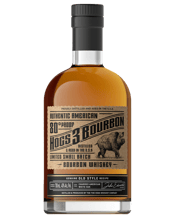
The term ‘American whiskey’ encapsulates a variety of different whiskeys including bourbon, rye, malt and Tennessee whiskey. Each of these has various rules and regulations around what constitutes a real, say, Tennessee whiskey, but one thing they share is that they must be made from at least 51% of their grain.
For rye whiskey, that means rye. For bourbon, it’s corn. And for malt, it’s barley. Tennessee whiskey is a little different; it’s bourbon that’s made in Tennessee and goes through a charcoal filtering, which makes it, according to some, smoother and easier to drink. The classic example is Jack Daniels.
Tastewise, rye whiskey tends to be on the spicy side while malt whiskey is a little sweeter. Bourbon whiskey is also relatively sweet, with more caramel notes as a result of its corn base, and the Tennessee take brings a touch of charcoal to the otherwise caramel and vanilla notes.
When it comes to whiskey, the Americans take things just as seriously as the Scots, but with less kilts. No kilts, to be precise. American distillers even used whiskey as currency during the American Revolutionary War after seeing how valued it was by the general population, while the Prohibition period and the rise of the bootlegging in the early 20th century proved once and for all that whiskey was there to stay.
Look, it’s great to know the background of a drink and how certain styles differ, but really, what’s most important is enjoying the drink. One of the reasons that Scotch and whiskey have become so popular is the huge variation in taste and all the factors that make up the final product. Something as simple as the water source can have a noticeable impact on two otherwise identical batches of whisk(e)y, while the use of oak casks imparts certain flavours too, much like wine.
As to whether you should be drinking Scotch or American whiskey? Only you can answer that question. Try each style of whiskey, or Scotch, whether they're single malt or blended or bourbon or rye, and find out what you enjoy for yourself.