

Is ‘liqueur’ just upper-class ‘liquor’? A speedy answer to the question you’re too embarrassed to ask.
At the heart of it, they’re cut from the same cloth. They’re both made from spirits. And, for liquor, that’s just it. Liquors are spirits. There are, broadly speaking, six main categories to choose from: vodka, whisky, gin, rum, brandy and tequila. And within those, there are already more styles and flavours and history and innovations than you’ll ever be able to try in a lifetime. London Dry Gin, Jamaica Rum, and Polish Vodka are all liquors. World-famous Cognac and poorly-kept secret Armagnac are both brandies, and thus... liquors.
Apart from the fact that they’re all distilled, they don’t have to have much in common. Distillation is key though. Beer and wine don’t count – they’re simply fermented. Liquors will generally be higher in alcohol – think over 20% ABV – and tend not to be sweet. There are exceptions (like certain rums for example), but sugar content is really a hallmark of liqueurs.
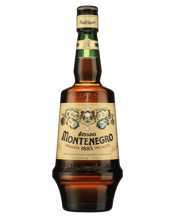
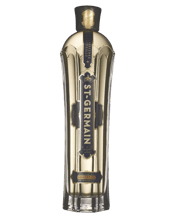
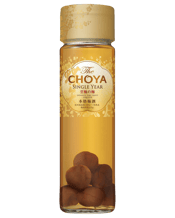
These drinks are no less varied or interesting than their cousins. Some liqueurs date back centuries, and started life as ‘medicines’. Italian ‘Amari’, for example, are liqueurs flavoured with local herbs, spices and fruits, traditionally enjoyed after dinner to help with digestion. Similarly, amaretto, with its distinctive almond flavour, is a liqueur. As is anise-flavoured Sambuca. The summery Limoncello, too. And that’s just a handful of Italian ones. There’s a whole world out there.
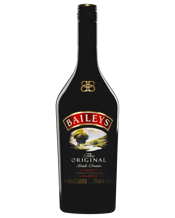
Liqueurs range from slightly sweetened to intensely syrupy. The variety makes them fabulously versatile and a very common addition in cocktails; they come in pretty much every flavour imaginable. On the whole, they’ll tend to have a slightly lower ABV than most liquors, but that’s not a hard rule. There are many famous liqueurs that match your average spirit for ABV, and many that beat them. Nor do they have to taste particularly sweet, despite the sugar content. The fun’s in the variety. Baileys Irish Cream is sweet and (unsurprisingly) creamy, and 17% ABV. Unicum the Hungarian digestive is ferociously savoury and comes in at 40%.
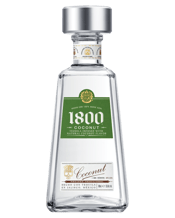
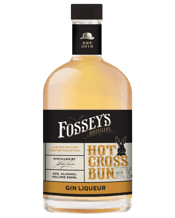
What about things like cherry vodka or cinnamon whisky? Vodka and whiskey are liquors, but the flavourings are reminiscent of liqueurs. And often when flavourings are added to these spirits, producers will add some sugar too. As a result, these guys sit somewhere in between and are harder to classify.
There are so many incredible bottles out there that it pays to be adventurous. Both liquors and liqueurs can be enjoyed alone, or in any number of delicious cocktails. There’s really no reason to have to pick sides. Get exploring and keep your pantry stocked with your faves!