NOW EXPERIENCING:Gin Tonica: The Spanish art of improving your G&T by miles
Learn|Cocktail making|Gin|Spirits

Gin Tonica: The Spanish art of improving your G&T by miles


Read time 4 Mins

Posted 26 Oct 2023

By
Lulu Morris


The Spaniards get it. Learn how to pair your gin with the perfect tonic and creative garnishes.

Everyone knows the Gin and Tonic. A perfect mix of botanical gin and bittersweet bubbles served with lemon, grapefruit or a neatly sliced cucumber wedge. It’s a beloved English classic and, dare we say, a household staple. But have you heard of its Spanish counterpart, the Gin Tonica? It’s basically a Gin and Tonic but supercharged. Served in a giant goblet/fishbowl wine glass, with tonnes of ice, the Gin Tonica matches the tonic AND the garnish with the gin. Once popular only in Spain, many bars across the world are now adopting the Spanish style. And why not? It’s a creative and imaginative drink and an easy way to fancy-up your cocktail without spending a bomb.

Below, we break down potential pairings for seven different styles of gin, but feel free to play around with your own variations. 

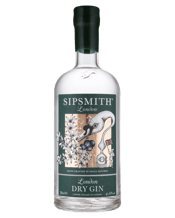
1. London dry ginIf your go-to is a classic London dry, first of all, nice choice. Second of all, can we be friends? Jokes, we’re already friends (duh). A London dry-style gin, say, like a Sipsmith Gin, is the perfect blueprint of classic London botanicals – herbs, roots and spices pair perfectly with a traditional bitter tonic. We’d go with a Schweppes Indian Tonic, which has the right amount of bright citrus, larger bubbles and, of course, its strong bitter backbone. As for the garnish/ botanicals – we’d opt for orange peel (pith removed) and coriander to bridge the gap between the tonic and gin. Coriander and orange peel are two traditional botanicals in a classic London dry, so those flavours tie the tonic and gin together nicely. Bob's your uncle, you’ve got a fresh-as Gin Tonica. 
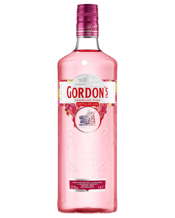
2. Pink ginTurns out, pink gin is the new pink. And we’re here for it. So, if you've got a bottle of the pretty-in-pink stuff, here’s what you should be pairing it with. If your gin is pink because they’ve chucked some berries in there, a la Gordon's Pink Gin, there will be a touch of sweetness to the spirit. Because of that, we’d pair it with a nice soda water instead of a tonic. We know, it’s not very Gin Tonica of us, but you’re already getting some really bright sweetness from the gin, and tonic is quite sweet too, so pulling it back with soda will make those beautiful berry notes sing. But if you want to be more tradish and mix it with a tonic, one of Fever-Tree’s Mediterranean Tonics or Elderflower Tonics would certainly work, too. It should come as no surprise that the garnish for a pink berry gin is also a pink berry. A couple of neatly sliced pieces of strawberry will do the trick next to some lovely fresh green basil leaves for complexity. The strawberry slices will catch those berry flavours in the gin, while the basil brings a nice herbaceous aroma to the drink.  
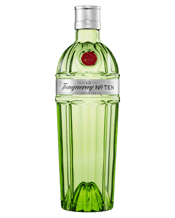
3. Citrusy ginI think you know where we’re going with this pairing, but let us break it down for y’all anyway. Much like our other pairings, we pick out a botanical from the gin and match those flavours with both your tonic mixer and garnish. So, if you’ve got a gin that’s heavy on the orange peel, chuck in an orange slice. If it tastes a little like lemon, add a nice big lemon wheel, and so on. The most obvious example of this kind of pairing would be Tanqueray No. Ten and pink grapefruit. The OG London Dry Tanqueray famously has no citrus in it, so when making Tanqueray No. Ten, they wanted a very warm citrus like pink grapefruit to layer in that complex citrus flavour. So, it’s a no-brainer to match those pink grapefruit botanicals with pink grapefruit. Boost those flavours further with something like Fever-Tree’s Premium Indian Tonic Water to really bring out that bright, tannic citrus flavour in the gin and a nice aromatic sprig of thyme to complement the grapefruit.
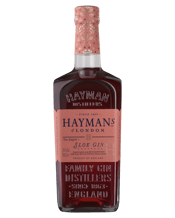
4. Sloe ginSloe gin, made by steeping sloe berries from a blackthorn shrub in alcohol and sugar, is a rich sweet English concoction. It usually pours deep purple or red and is totally delish. With a traditional sloe gin, look out for whatever citrus or botanical is most present. If you can smell and taste berries, tuck a raspberry in there. If it’s more of a citrusy number, throw in the corresponding citrus. Because sloe gin can be quite syrupy, consider pairing it with a lemon tonic to cut through its iconic richness, or if it’s super berry-sweet, a nice clean soda water. Our go-to sloe gin is Hayman’s brilliant Sloe Gin. Made very traditionally, this gin is berry sweet and almondy with a cheeky lick of spice. Much like our pink gin, we’re letting the botanicals do the work here, so pare it back with a nice soda and some skewered raspberries OR with Stranglove’s Bitter Lemon Tonic and good wedge of lemon for contrast. Welcome to flavourtown. 
5. Distiller’s or navy-strength ginNow onto the heavy hitter, the big daddy – distiller’s- or navy-strength gins have a higher alcohol by volume (ABV) compared to the usual 40% or so in regular gins. Thanks to the extra alcohol, these gins are generally drier and have more bite than other styles. Archie Rose Distiller’s Strength is a great example of that iconic take, cleverly adding honey and pear to their list of botanicals to remedy that heat from the higher ABV of 52.4%. To add a touch more complexity to the gin, we recommend Fever-Tree Indian Tonic to pair. Garnish with an ornamental pear fan to bring those lovely flavours through the gin to the nose and tongue. 
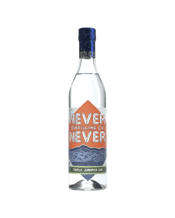
6. Australian ginAh, Aussie gin. How proud are we that it’s gaining recognition on the global stage for its awesome and uniquely Aussie flavours? Super duper proud. But really, what’s not to like? Ingredients like pepperberries, native citrus and Aussie florals are all delicious and all super-important parts of a quintessential Aussie gin. So, what’s our go-to Aussie Gin Tonica? We can never say never to Never Never Triple Juniper. It showcases some pretty stellar and aggressive juniper and pine flavours upfront, well supported by traditional roots, finished off with delicate spice from our native pepperberries. This gin is calling out to be paired with an Aussie tonic, too, so Capi Tonic is your friend here. Icing on the cake for our Oz Gin Tonica is some beautiful (and Insta-worthy) Aussie finger lime, or if you can’t find them, some Australian lime leaf. It’s aromatic, zesty and uniquely Australian.
7. New-world gin and beyondOutside the traditional styles of gin distilling, there’s a wild world of new-wave gins – gins that throw out (some) of the rules of traditional distilling in favour of flavour, adding oils, flowers, herbs, fruits and vegetables in, whenever and wherever tastes the most delicious. It may seem like an intimidating feat matching up these gins with garnishes and tonics, but it’s no different to our pairings above. Just pay attention to the flavours (and what it says on the bottle). If a gin has added a vegetal botanical like tomato, whack in a slither of capsicum, or better yet, a nice big pickled pepper skewered with an anchovy (AKA a Gilda) and boost those flavours with a flavoursome Mediterranean tonic. If your gin is fruity, but not in the berry or citrus camp, trial a nice piece of watermelon with a good twist of black pepper, opting for a cleaner-styled classic tonic. If you’re pulling out other savoury notes, try garnishing with an olive strapped to an orange wheel, with a salty tonic. In the end, it’s all about your own tastes, so trust your nose, tongue and gut, and feel free to get a little Gin-Tonica-wild. 
image credits: Michael Pham.