


Your crash-course on nailing this most photogenic cocktail trick like a pro.
There are three undeniable truths of bartending: Martinis must always be cold, flair will always be cool, and a layered drink will always get an ‘ooh!’. Bartenders have been layering lyrical as a sensory flourish since the term ‘cocktail’ was first coined.
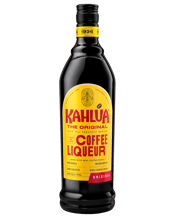
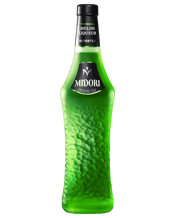
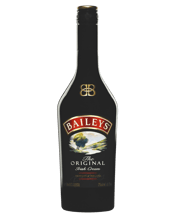
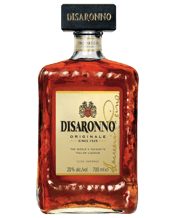
Layering drinks started with the Pousse Caffe cocktail, first published in the 1862 How to Mix Drinks or the Bon Vivants Companion by bartender extraordinaire Jerry Thomas. Jerry was the world’s first celebrity bartender – think Jamie Oliver but even bigger (for the time) – and layering drinks was a huge flex. The Pousse Caffe was served in a tall, thin, footed glass (the kind you find in an op shop) and consisted of at least three layers floated above one another. From this very important work we now have all sorts of masterpieces, including various shots with particularly dodgy names that showcase layers with the likes of Baileys, Midori, amaretto and more.
To perform the magic of coaxing liquids to ‘float’, you need to have a rough idea of the liquid’s density (weight to volume). If a liquid is denser, it will sink. Less dense, it will float. Relating to water – sugar is denser (or heavier), alcohol and air is less dense (or lighter).
Want to know how? We have three easy tricks for you.




%20(1)?$dans-daily-web-image$&hei=900)
?$dans-daily-web-image$&fmt=png-alpha&wid=800)