

?$dans-daily-web-image$&wid=1400)
From crisp and fresh to bitter and malty, it all starts with knowing what you like.
Remember that iconic Pauls milk ad from back in 2004? The one where the guy innocently tries to pick up a bottle of milk at his local shop, only to cop the full milk menu. “Low fat, no fat, full cream, high calcium, high protein, soy, light, skim, omega 3, high calcium with vitamin D and folate or extra dollop?”
Well, that ad is back on the air and seeing it again reminds us of how it can feel to shop for beer these days. If you’re not yet sure what you really like to drink, selecting a beer can be a little overwhelming. To help, we’re breaking down some common beer flavour profiles below, so you can choose a beer based on the sorts of flavours you like to drink, even if that’s all you know at this stage.
From the darkest stout to the palest pilsner, every beer has to include the same four ingredients: hops, malt, water and yeast. The ratios, types and techniques that go into using those ingredients, though, can make a world of difference to the beer you end up drinking, which is why there are so many different beers around.
While there are plenty of specific styles under the headings below, we reckon getting a sense of the overall flavour profiles is the best way to start. Once you’ve found a beer or two you like, you’ll be able to tell the experts at your local Dan’s, bars and breweries about it so they can point you to some other beers that you’re very likely to love.
- Malty
Malty beers usually have rich, sweet, toasty, roasty or biscuity flavours – and that’s because of malt. See, beer needs sugar to get fermentation started, and that sugar comes from grains like barley, which brewers turn into a sweet liquid called wort before then making beer. Grains can also be roasted for extra flavours like coffee and chocolate.
If you like those richer flavours or more full-bodied drinks, malty beers could be a great place to start. Amber ales like Little Creatures Rogers are lightly malty, with caramel and toffee flavours. Stouts and porters are a little darker, often with roasty coffee or chocolate flavours.
- Hoppy
Hops are the flowers of a plant (Humulus lupulus, if you want to get scientific) and they’ve been used to flavour and preserve beer for more than 1000 years. But while hops generally bring that characteristic bitterness to a beer, that’s not really what we mean when we talk about a beer being ‘hoppy’.
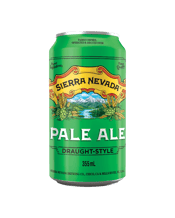
Hoppy flavours are usually somewhere between fruity, citrusy, floral, piney and grassy. If you’ve ever had a beer that tasted like tropical fruit juice or a freshly decorated Christmas tree, that’s because of the hops. A pale ale like Sierra Nevada Pale Ale is a classic for a reason, showing off hoppy, citrusy and piney notes. But if you want to dial up the hops even more, hazy pale ales and India pale ales (AKA IPAs) are your happy place.
- Bitter
Hops aren’t just full of fruity flavours – they’re bitter, too, thanks to compounds called ‘alpha acids’. Beer needs bitterness because it helps balance the sweet malty flavours, but hop bitterness also helps to stop beer from going off.
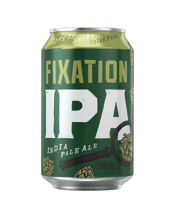
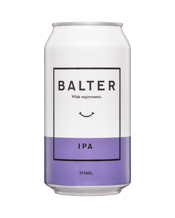
Some people might screw up their noses at the prospect of drinking something bitter on purpose, but it really is a very pleasant (if sometimes acquired) taste. As we mentioned above, IPAs are a style with a heap of hops, which usually means extra bitterness on top of that extra flavour. Take a sip of Fixation IPA or Balter IPA if you want to see for yourself.
A little tip: bitterness is measured in IBUs (international bitterness units). You can often find the measurement listed on the back of the bottle or can, which is a helpful way to know if there’s enough (or too much) bitterness inside.
- Sour
If you prefer your drinks with acidity – like crisp white wines or zesty citrus cocktails – then sour beers might be the style for you. Sour beers usually get their sourness from bacteria called lactobacillus, but some types of yeast can turn a beer sour, too. When made well, sour beers can be fresh, juicy and quenching, which is why they’re so popular in the summer.
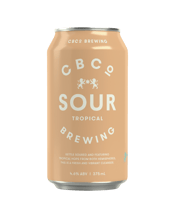
Sour beers start out as little more than a light-bodied beer with a gentle sourness – like CBCo’s Southwest Sour – but they also make a great canvas for fruit-infused beers, too, and you’ll often see them with fruits like raspberry or watermelon. Berliner weisse and gose are other common sour styles that often include fruit flavours.
- Clean
‘Clean’ beers are in the Goldilocks zone – not too bitter, not too malty, not too hoppy. They’re usually filtered to be clear and rarely go too heavy in any particular flavour direction, which is all part of the appeal. Clean beers generally don’t have much in the way of hop flavour, but they might be a little grassy and a touch bitter. If you’re not keen on some of the more flavoursome styles of beer listed above, clean-tasting beers might be right up your alley.
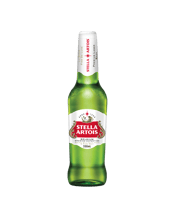
It’s not a sure-thing but if you’re looking for a beer in this style, a lager is a good place to start – something like Stella Artois. These beers are brewed to be easy-drinking and broadly approachable, so we’d definitely recommend a nice, clean lager.
So you’re looking to dip your toe into some new beers? Well, let’s sanitise that foot and find some brews for you.
The best way to try new styles is to first figure out some rough ideas of what you might actually want to drink. Those style outlines above paint some broad strokes for beer-curious folks, and our list of easy-drinking beers is another great resource. We’d never tell you to avoid any particular type of beer, but keep in mind that styles with words like ‘double’ or ‘imperial’ in their description will likely be very strong – both in flavour and alcohol.
Armed with some ideas of the flavours you like (or would like to explore), your best bet is to ask your local expert – whether that’s at Dan’s, or a specialty bar or brewery. Plenty of bars will offer tastes off the tap before you commit, and breweries tend to have tasting paddles so you can try a couple of beers at once, which is a great way to explore a bunch of styles.
Just remember the only way to know what you like is to try a few things, so get out there and discover your next favourite beer. Then let us know, okay? We like to keep on top of these things.




%20(1)?$dans-daily-web-image$&hei=900)
?$dans-daily-web-image$&fmt=png-alpha&wid=800)