


Great beers deserve a tasting. Here’s what you need to know about holding one with your pals.
Porters and stouts, NEIPAs and West Coast IPAs, lagers and pilsners, sours and pale ales – yeah, the beer world is big and wide. As the craft beer train rolls on, new styles keep evolving and classics are constantly refined or revisited, which is bloody exciting – especially when you get the chance to try them all.
One of the best ways to learn about styles new and old (and to understand all the ins and outs of beer in general) is not just to drink them, but to really taste them, too. And while wine tastings can seem a little stuffy (they’re really not, though, we promise), beer tastings feel like they straddle the line of casual fun and genuine education with ease. You get the chance to taste a bunch of beers, sure, but tasting with purpose means you might even learn to enjoy them more. It’s a win-win, right?
We think that if you organise an at-home beer tasting for you and your mates, throw in a few snacks, maybe a decorative theme or a curated playlist, you’ll be laughing. This is how we’d host our own beer tasting for friends.
1. Beers for tasting
First things first – the beers. There are a few things to consider here and it’ll all really depend on how you want the tasting to run. We’ve put a few ideas below get you started.
- Ask everyone to bring a beer. This way, you’re spreading the organisation and cost around, but you’re also leaving it up to your friends to find a beer they either love and want to share or are excited to taste and try.
- Pick a style theme. Some beer tastings might be a free-for-all (and there’s nothing wrong with that), but you could easily curate this a little more. Maybe it's winter-style beers (very much open to interpretation), an IPA-focused tasting or beers exclusively from one country. Plenty to think about there.
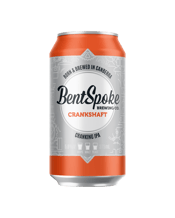
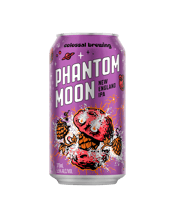
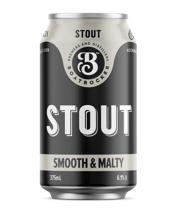
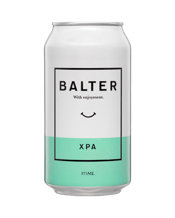
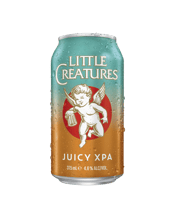
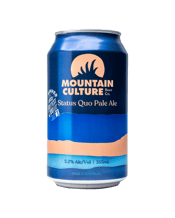
- Across the spectrum. Sometimes it’s good to go broad, with a bunch of styles and flavours that really give everyone a sense of how deep and wide beer can be. In this case, we might go for a classic lager (Monsuta Premium Draft, for example), a West Coast IPA (maybe BentSpoke Crankshaft), a NEIPA (such as this one from Colossal Brewing), a dark beer (like Boatrocker Stout), an XPA (we’d go the classic Balter or the newer Little Creatures) and a good old pale ale (like this guy from Mountain Culture). Sorted.
2. Glassware and tasting tools
There are a few essential bits of kit to sort out before you get stuck into the tasting – all of which should be easy enough to rustle up at home.
For a start, get yourself the right glassware. Beer is obviously at home in a pint glass (among the infinite beer glass styles around) but, for a tasting, a wine glass is best, leaving enough room to swirl and let those aromas flow. For those guests who’d rather not drink every sip, consider putting out a spittoon – something like a wine bucket or even a plastic cup will do.
You’ll also want to make sure there’s a way for you and your fellow tasters to take and compare notes. A pen and notepad would be totally fine, but feel free to get creative with some premade tasting cards with sections to write in scores and notes for each beer.
3. Snacks
Beer goes so well with food – that was never in dispute. If you’re hosting a beer tasting, you can easily take advantage of that food-friendliness by adding a few well-chosen snacks along the way. Cheese works really well (beer often has a biscuity, bready sort of flavour that makes a killer pairing), cured meats are always great, and salty snacks like crisps and nuts are no-brainers. Of course, consider the styles and flavours of the beers you’re tasting as a starting point here.
Also (and this is optional), a palate cleanser can be a good idea. Citrus, slices of green apple or plain water crackers all help reset the palate between tastings. If all else fails, a little sparkling water will do the trick, too.
4. What to serve post-tasting
Consider this as a suggestion, but getting the gang together for a beer tasting is a great opportunity to transition into a more substantial group meal. And with plenty of beers floating around, it’s worth serving something that’s brew-friendly.
A few suggestions include grilled meat or veg tacos, a roast (or barbecue, if the weather is being kind) with an easy side salad, or a rich stew with all the vegetables. Really, anything easy to make, shareable and beer-appropriate will do wonders for a hungry gaggle of beer tasters.
1. Structure
Okay, so you’ve invited guests and either asked them to bring a beer or you’ve sorted all the beers yourself – both are great options. Now we need to know how to run a tasting.
Firstly, consider the order of the beers. Just like in a wine tasting, it’s best to start with lighter styles first. Beers that are particularly bitter (like West Coast IPAs) or rich (like porters and stouts) should come later, while the easy-going fellas (lagers, pilsners, pale ales) go up the order.
Once you’ve got a run sheet, taste the beers in rounds. You can write some tasting notes to compare, jot down a score or go off-the-cuff but, however you do it, make sure to take some time after each round to find out what everyone thought.
Lastly, if you’re keeping score, it can be a fun exercise to tally up everyone’s scores at the end of the night or round to find out which beer reigned supreme. Crown your king.
2. How to taste
If everyone is relatively new to tasting (or you just think a refresher is in order), consider putting some general info at the start of your tasting.
To taste a beer ‘properly’, you’ll want to pour some (probably not more than 100ml or so, considering it’s a tasting) into a wine glass. Give it a swirl around – this will generate a little extra foamy head and help release the aromas. Hover your nose above the glass and breathe in slowly and gently, letting the aromas gently waft up. Then, give it a taste. Repeat the process a few times as the beer warms up.
When it comes to assessing flavours and aromas, everything can be pretty subjective, so no one should be worried about getting it right or wrong. Reckon a beer is too bitter? Say so. Love the fruity aromas and tropical flavours? Write it down. Not getting much of anything? That’s fine, too. Just be sure to listen to what everyone has to say because learning and sharing is what a tasting is all about.
3. The vibes
The basics are there – you’ve got the beers, the food, the structure, the love. But there’s plenty of room to make it your own.
Consider the playlist, for example. You might decide to do a tasting purely of Melbourne beers, so a playlist of only Melbourne music would be great. Going heavy on the hazies? Some washed-out psych rock could pair up nicely. And the same idea goes for decorations, which could easily match your beers (a dark colour scheme for dark beers, perhaps) or simply bring the party vibes. Go with your heart, but make it fun – you’re tasting beer, after all.





%20(1)?$dans-daily-web-image$&hei=900)
?$dans-daily-web-image$&fmt=png-alpha&wid=800)