


A Dan’s expert dispels this big sake myth once and for all.
Just call us Adam and Jamie, ‘cause we love busting some myths at Dan’s Daily. Spoons in your Champagne to keep it fizzy? Busted. Wine and spice don’t mix? Busted. Egg whites in cocktails are dangerous? Uh, that’s a big busted, guys.
Sake – a drink we love in all its many forms – is not immune from myth and misconception. Even if you’re only vaguely familiar with sake, you’ll likely have heard the big one – that you shouldn’t drink it warm. And if you’ve had the most common experience of hot sake, well, you might even agree. However, warm sake (when done well) is a traditional and delicious experience that ought to be on your radar. Don’t believe us? Well, that’s why we bring in the experts.
Warm sake gets a bad rap for the same reason people have bad experiences with vodka or tequila or red wine – the big offenders are generally low quality and not all that nice-tasting in the first place. And, when it comes to sake, there’s a reason why things only get worse when you add heat into the mix – the warmer your sake is, the more flavour it releases.
The good news is that a flavour boost is great when it brings out the right characters in a good-quality sake – you just need to pick a sake that works for warming. Styles that most heavily polish the rice are the ones to look for, according to Guy Vaillant, Dan Murphy’s drinks specialist and certified sake sommelier and educator. With these styles, you’ll be bumping up flavours that work and avoiding characteristics that, in this context, don't – the flavours of the lipids, vitamins and protein in the rice. “It’s better to use a sake that has been milled from 1% to 30%,” Guy says. “Junmai are very good to warm up.”
If you’re thinking of giving warm sake a try (and we definitely recommend it), Guy has two tips for best results: warm it gently, and pair it with food. To heat, use a bain marie method, putting your sake vessel (ideally ceramic) in a container of warm water and checking with a thermometer, if you have one. How warm you go will depend on the sake you choose, too. “With tokubetsu, I would go 55 degrees because it will sustain the temperature really well,” Guy says. “For junmai daiginjo, I would go for about 40 degrees.”
Food pairings, according to Guy, are nearly essential with the amped-up flavours of warm sake. “It’s better to have warm sake with food because the warm sake might go better with, for example, a beef dish,” he says. “With dishes with more flavour, then the sake enhances the taste of the dish as well. That’s why you've got these misconceptions – people warming the sake but not understanding why.”
Below, Guy has listed a few of his sake favourites to try warm. Whichever way you go, though, you’re in for a treat. “I think it's fun when you've got a group and you order some food, you take away, you get a couple of sake,” he says. “Taste them cold, room temperature and warm so you can see the differences.”
Click image to shop
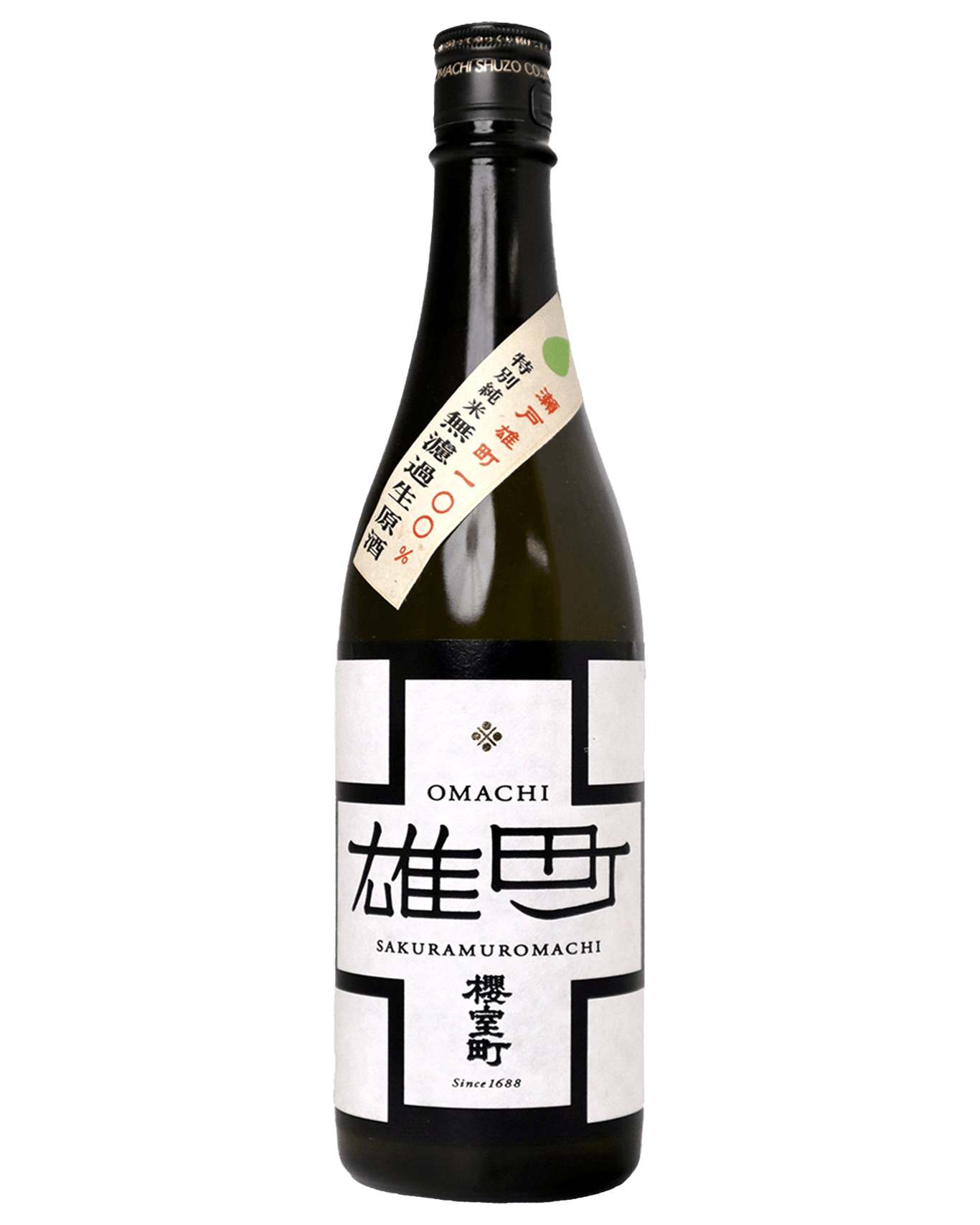
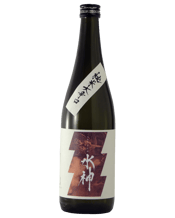
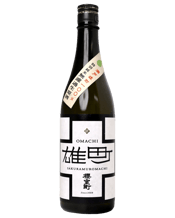
1. Muromachi tokubetsu junmai
Tokubetsu means ‘special method’ and, while that can mean pretty much anything, here it refers to a special type of rice called Omachi that lends a robust flavour to this junmai sake. “This would be the perfect example for hot sake,” Guy says. “It has umami and that very rich characteristic, usually with stone fruit and a touch of spice as well.”
Serve it with: Guy recommends pairing this sake with chicken teriyaki or beef dishes.
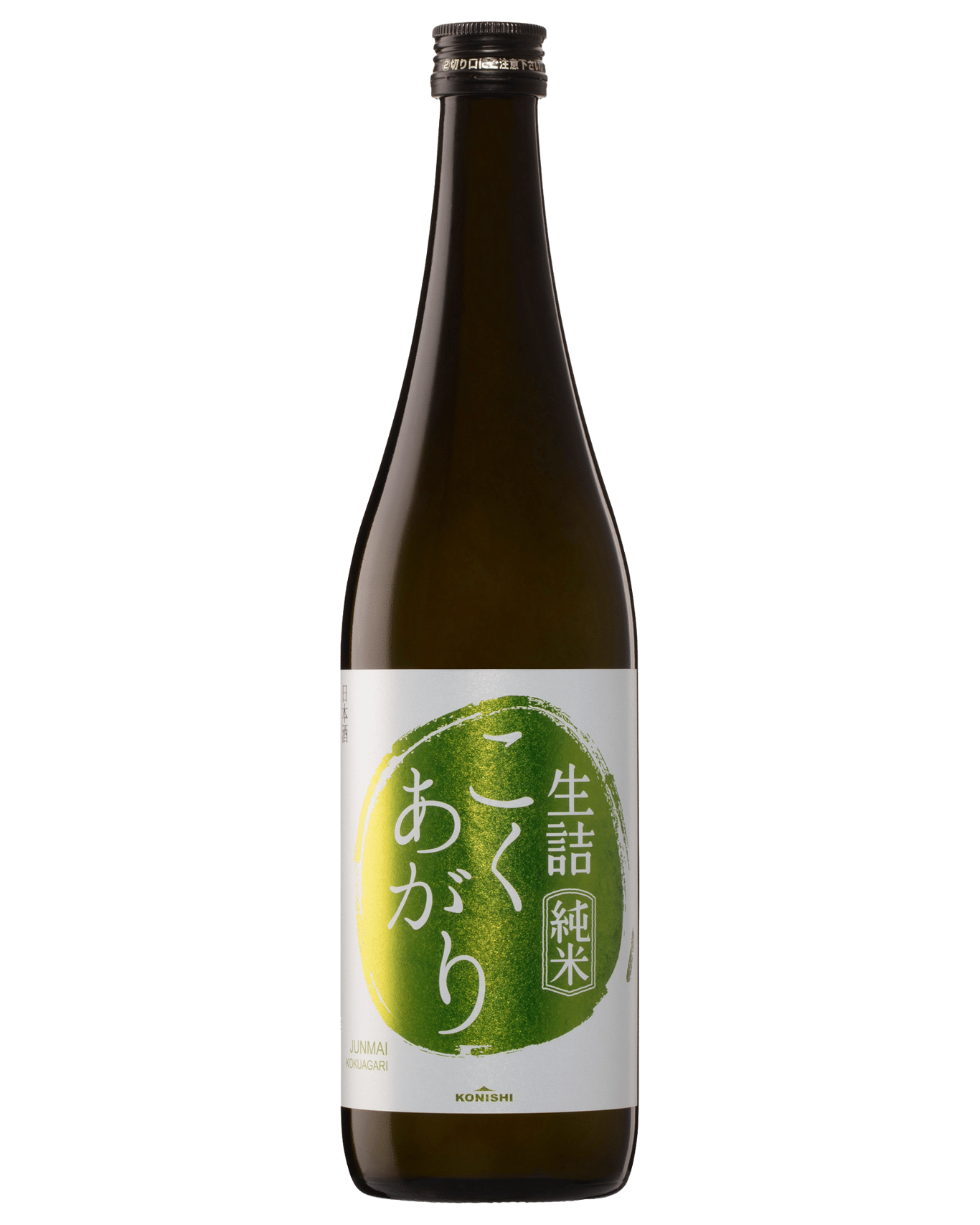
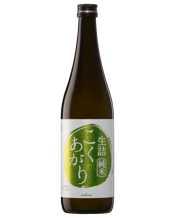
2. Konishi kokuagari junmai
This sake from Konishi is full bodied like the Muromachi but comes into its own at those warmer temps. “When it warms up, the fruitiness enhances the elegance of the sake,” says Guy.
Serve it with: With flavours like green apple and stone fruit alongside the sake’s full body, this one is ideal paired up with oily fish like eel or salmon. “I think salmon will go really well because, if we warm the sake, we have lovely fruit but a clean finish,” he says.
Click image to shop

Click image to shop
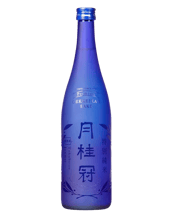
3. Gekkeikan tokubetsu junmai
Gekkeikan has been making sake since 1637, and they’re one of the best-known producers in the world. Like the Muromachi, this tokubetsu junmai is made with a special strain of rice – here it’s Iwai from Kyoto Prefecture – but the profile is a little different. “The style is a bit more medium bodied and not as spicy, but I think this one has got a more nutty characteristic,” Guy says.
Serve it with: “You could have it with cheese, with lamb, or you could have it with a hot pot,” Guy says.
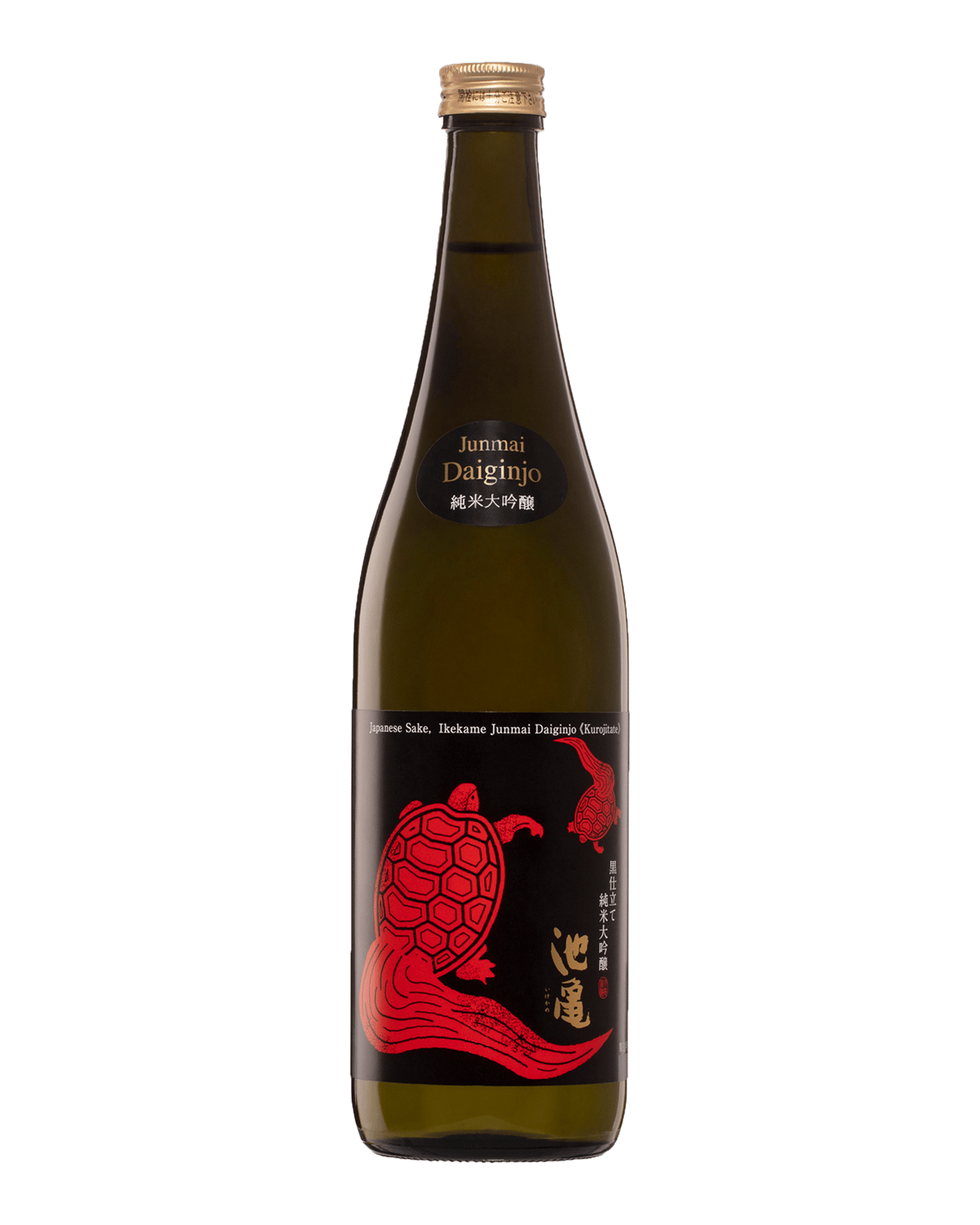
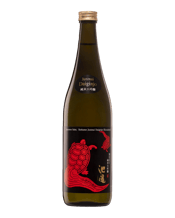
4. Kuro Kabuto junmai daiginjo
Junmai daiginjo sake is sometimes considered the most premium variety, brewed in the low-temperature ginjo style with rice polished to 50% or lower. The flavours here are bright, fruity and refined – all characters that need to be treated carefully if you’re heating this one. “I would warm it up to the lowest temperature because of the delicate flavours,” Guy says. “I would say maybe 40 degrees, because if you warm it too much, you might lose some of the refined characteristics.”
Serve it with: This sake makes a perfect match with firm fish (Guy recommends blue-eye) or pork dishes.
Click image to shop
Click image to shop
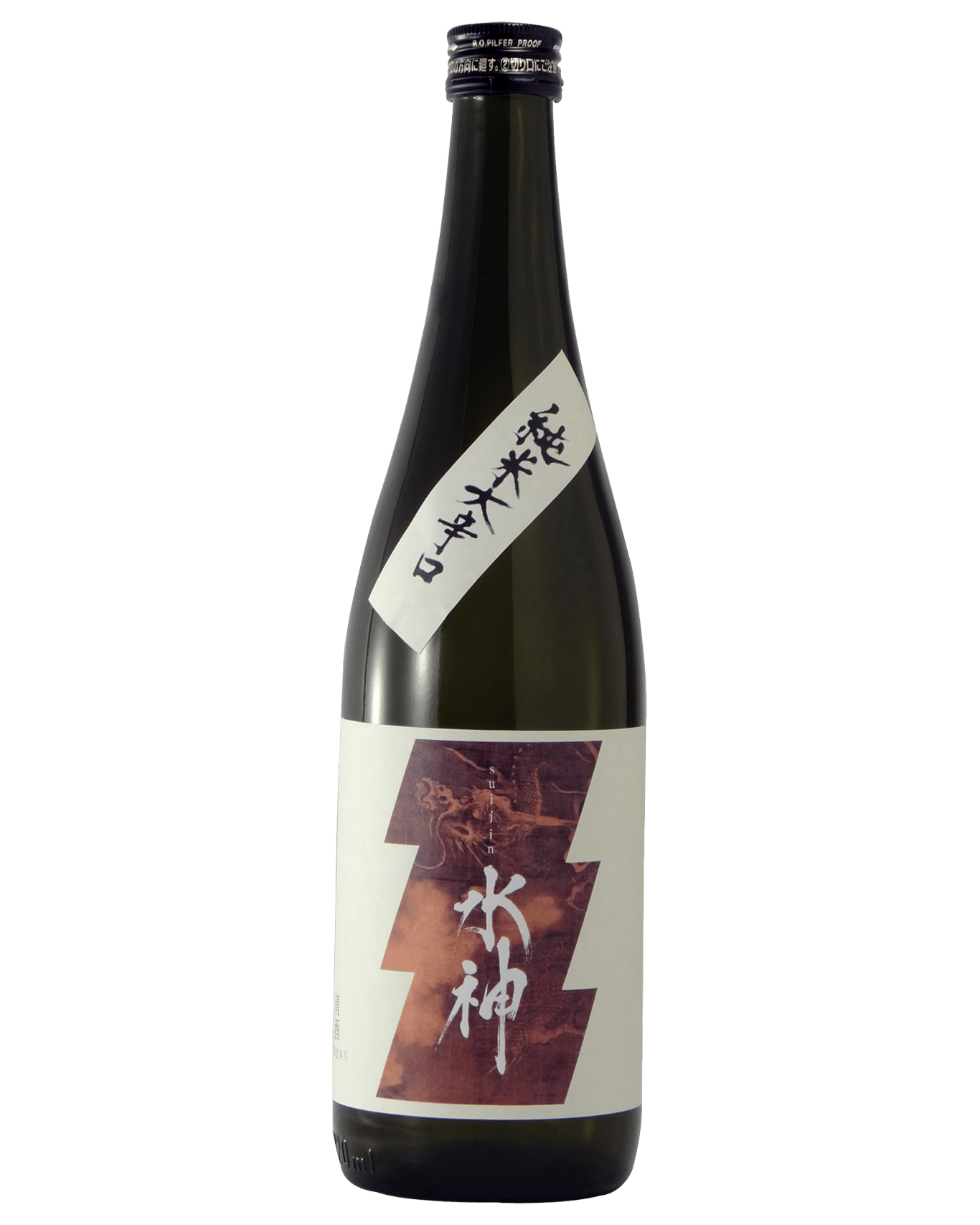
5. Asabiraki junmai
Dry and full bodied, this is another junmai sake that makes a great candidate for warming. “Again, it’s a richer style,” says Guy. “I think this is slightly more umami, more delicate in flavour, but still with that stone fruit characteristic and a little bit of spice to it.”
Serve it with: Like your favourite pinot noir, this is a winner with duck.



%20(1)?$dans-daily-web-image$&hei=900)
?$dans-daily-web-image$&fmt=png-alpha&wid=800)