


A guide to the styles, flavours and bottles worth knowing – and where to start.
From propping up those easy-drinking Whisky Highballs to being some of the silkiest sippers around, it’s easy to see why Japanese whisky is killing it right now. But did you know that Japanese whisky is barely 100 years old? Despite its relative youth, this spry young newcomer has recently risen to become one of the most popular and delicious whisky styles around, easily matching it with the old guard of Scottish and American styles.
So, what’s the deal with Japanese whisky? If you’re not yet familiar with the modern legend, that’s okay – we’ve laid out everything you need to know about Japanese whisky.
Whisky (also spelled ‘whiskey’ in the US and Ireland) is a spirit made by distilling fermented grain and ageing it in wooden (usually oak) barrels. There’s a lot of room to move within those parameters – and that’s what has made Japanese whisky unique as well as a link to the past.
The first Japanese whisky (called ‘Shirofuda’ or ‘white label’) was released in 1929 by Suntory. We don’t need to go too deep into the early history of Japanese whisky, but the very first distiller for Suntory, Masataka Taketsuru, studied the art in Scotland under some of the very best distillers. He then went on to found Nikka, which, like Suntory, is still going strong today.
So, what about Japanese whisky today? Well, as of 2021, things have become a lot clearer. Now, there are some pretty strict rules about what can be called Japanese whisky, thanks to the Japan Spirits & Liqueurs Makers Association.
Those rules state that Japanese whisky must:
use malted grains (but other grains are allowed, too)
use Japanese water
be mashed, fermented and distilled in Japan
be matured in wooden barrels for at least three years
be at least 40% ABV
The rules above technically make Japanese whisky unique, but not really. Instead, it’s the creativity and preferences of Japanese whisky distillers within those rules, as well as the country’s unique climate and conditions that make Japanese whisky what it is today.
Take the Suntory distillery, for example. That’s the original Japanese whisky distillery outside of Kyoto, a place where three rivers (the Katsura, Uji and Kizu) all converge. The water is soft and ultra-clean, and the area’s humidity is ideal for aging in oak casks.
Speaking of oak, Japanese whisky also stands apart for its unique wooden casks. Most of the world’s whisky is aged in American or French oak, but Japanese distillers have long favoured the country’s native oak, called mizunara. The slow-growing mizunara oak is rarer and more expensive than classic whisky oaks, but it adds a flavour profile of spice, incense and coconut that makes it extremely popular with distillers – and us drinkers.
Japanese whisky exists because Taketsuru Masataka was obsessed with Scotch whisky. As a result, there have always been plenty of the fruity, spicy and rich flavours of Scotch in Japanese whisky. It has historically been on the lighter side, rarely smoky (and when it was, only a little), and intensely aromatic when using Mizunara oak. Japanese whisky also gets a reputation for being ‘clean’, owing to the crystal-clear mountain water used in its original distilleries.
These days, though, Japanese whisky is hard to pin down. There are heavy styles, smoky styles, aged styles and more. The classic flavours of Japanese whisky still exist, but it’s now a much bigger spectrum.
So, you want to buy Japanese whisky? Welcome to a wonderful rabbit hole. If you really want to get a sense of classic Japanese whisky, the best place to start is with the old-guard distillers – Suntory and Nikka. Both distillers have been around since the very beginning and are still producing whisky in those classic, original styles.
Thanks to some collectors treating Japanese whisky like Pokemon cards, it can be tricky to find anything these days with an age statement (where the whisky is labelled with its age), but you’ll still find blends and non-age statement whiskies by these legends.
It can also be worth doing a little research and finding out which Japanese whiskies use mizunara oak.
Enough talk – let’s drink. Here are some of the best ways to drink Japanese whisky, so choose your favourite and get tasting.
Simple serves: With any whisky, we’d always recommend starting with a simple serve – ideally neat or with just a drop of water. The reason is that, with these servings, you’ll get a sense of the whisky’s flavours and aromas without anything covering it up. Serving on the rocks (over ice) isn’t a bad option either, although the cold temperature can dull the whisky’s flavours a little.
Whisky Highball: Of all the classic Japanese whisky servings, the Whisky Highball might be the most iconic. Japanese cuisine is often regarded for its understated flavours and focus on freshness, and that’s basically what you get with a Whisky Highball. It’s Japanese whisky and soda water – what else do you need?
Cocktails: There’s nothing wrong with using a Japanese whisky in a cocktail. Sure, you might want to avoid adding those ultra-premium whiskies to your next Manhattan, but there are plenty of flavoursome (and affordable) whiskies that would work a treat. With the general trend towards lighter, fruitier styles in Japanese whisky, we recommend simple cocktails that let the whisky shine. We’re thinking the Godfather (whisky and Amaretto), Old Fashioned (whisky, sugar syrup and bitters) and Whiskey Sour (traditionally whiskey, sugar syrup and lemon juice, but yuzu would be perfect).
If you’re sleeping on whisky and food combos, you’re missing out. While it might seem that whisky could overpower food with its high alcohol content, it’s actually the opposite. The big, rich flavours of foods like creamy cheeses, salty meats and sweet desserts all work really well with all kinds of whisky – and we’re happy to say there are plenty of Japanese bites that work just as well.
First, we’d recommend serving your whisky neat or as a Highball. Then, go for Japanese food on the richer, fattier side; that means delicate seaweed salads and light-as-air sashimi are probably out. Instead, classics like tempura, crispy pork tonkatsu, aromatic Japanese curry and salty ramen are all perfect.
Click image to shop
Three Japanese whiskies to try
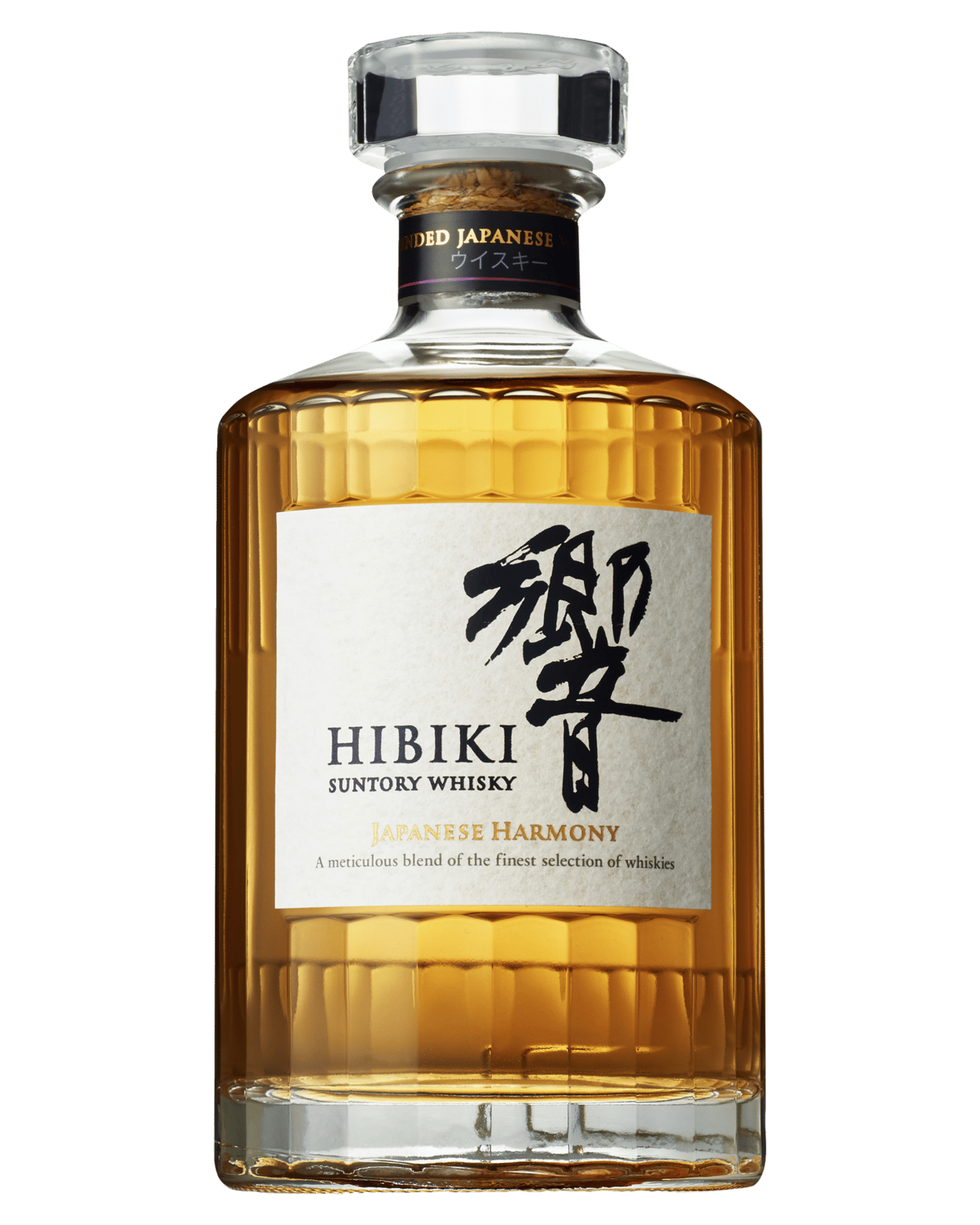
1. Hibiki Harmony
Of all the Suntory whiskies, the Hibiki is perhaps the most quintessentially Japanese. These whiskies are floral, lightly fruity and delicate – the perfect place to start if you’re just getting into whisky. While the age statement expressions are, sadly, extremely rare these days (and wildly expensive), the Hibiki Harmony captures everything that makes Hibiki whiskies worth drinking. It’s an easy sipper served neat (with a lovely touch of sweetness to round it out) but this would make a fantastically fresh Whisky Highball.
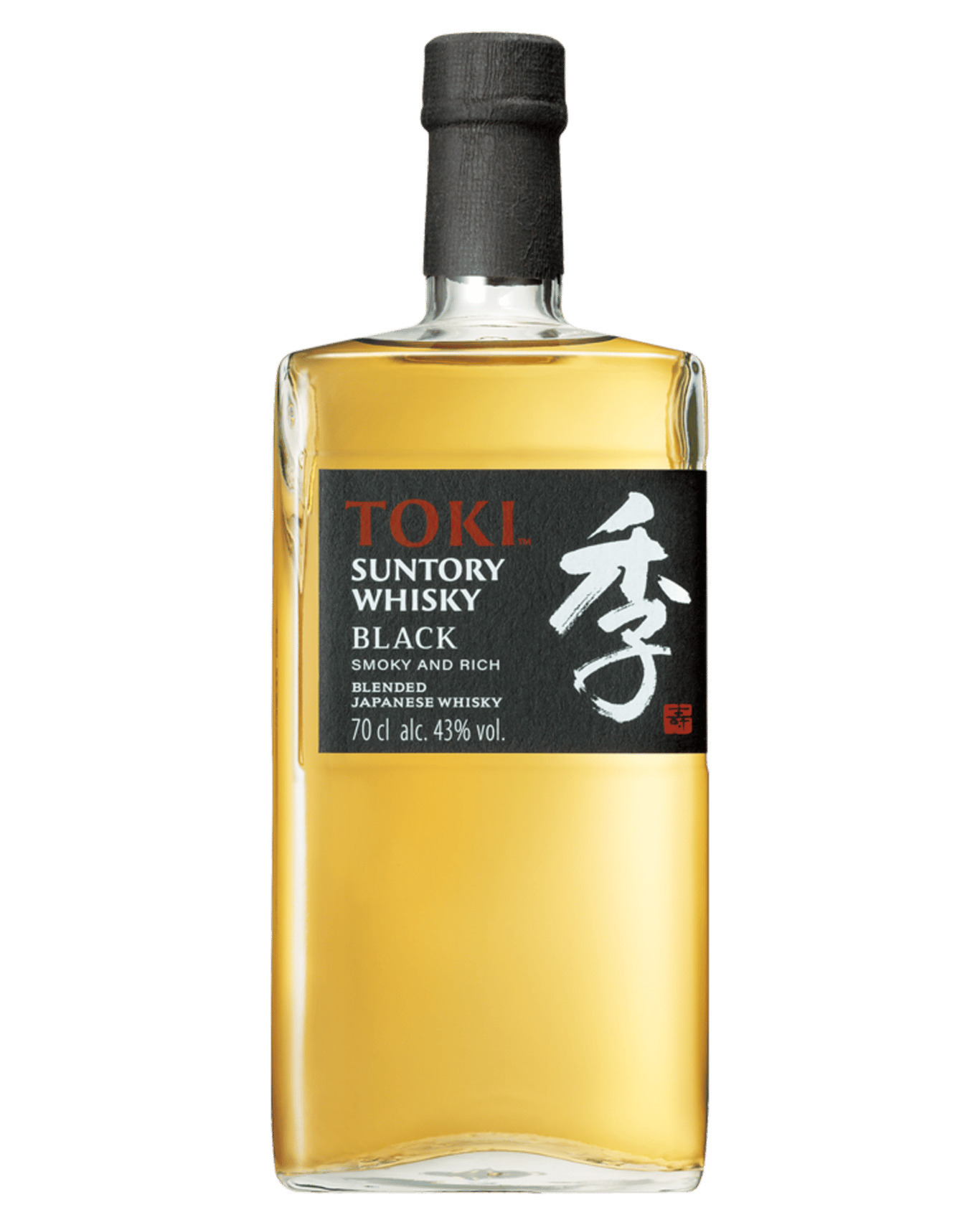
2. Toki Black
Sure, traditional Japanese whiskies aren’t peated, but the industry has come a long way since those first Suntory drams in the early 20th century. Toki Black shows what’s possible when Japanese distillers get creative – here, it’s a blend of the sweet richness of Toki whisky and the smoky flavours of Hakushu Peated. It’s a delicate smokiness (certainly nothing on the intensity of Islay Scotch) that, like so much of Japanese whisky, keeps things firmly in balance. Serve this neat alongside katsu curry or let Toki Black play the lead role in a Penicillin cocktail.
Click image to shop
Click image to shop
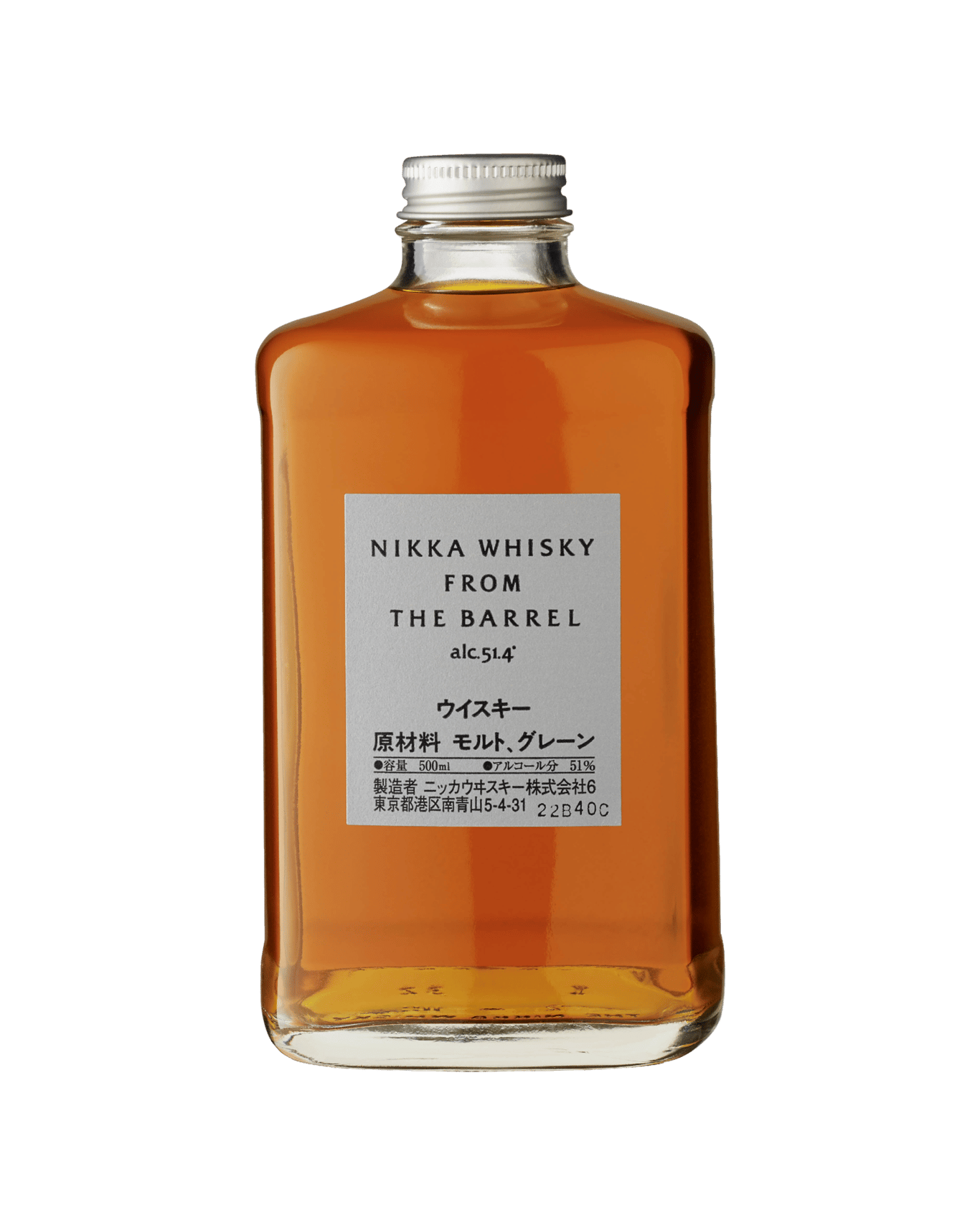
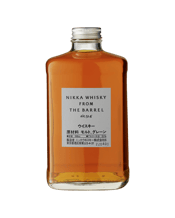
3. Nikka From The Barrel
While Japanese whiskies have a reputation for softness and delicacy, it’s definitely not a hard-and-fast rule – as you’ll see with Nikka From The Barrel. Here, the focus is very much on intensity of flavour. From The Barrel (in its cute square bottle) comes in at a touch over 51% ABV, which means potency right out of the gate. The whisky is a blend of over 100 malt and grain whiskies, which add up to caramel richness, citrus flavours and a silky richness. This is a true sipper, neat or on the rocks.




%20(1)?$dans-daily-web-image$&hei=900)
?$dans-daily-web-image$&fmt=png-alpha&wid=800)