


What are they? And how do you use them? Level up your home bar with bittersweet liqueurs.
Bitter red liqueurs, aperitivi, ‘bitters’ – call ’em what you will, these deep-hued mixers are indispensable bar staples. They generally combine that signature crimson colour with a little sweetness and a little bitterness, though there are plenty of variations on the theme. And thanks to the rise of two of them in particular – Campari and Aperol – these bitter reds are absolutely everywhere right now. We’ve been drinking those Negronis and Aperol Spritzes for the people all along, I’m telling you.
Despite the continued popularity, though, bitter red liqueurs are still a little mysterious for many home bartenders. But let’s change that, shall we?

As is the case with so many different, there’s not always a clear definition of what makes the cut as a bitter red liqueur. Generally, though, we’re talking about bittersweet liqueurs that are dyed red (they used to use an insect called cochineal, but it’s not so common these days) and mostly come from Italy. At least, the originals did – these days you’ll find them pretty much anywhere spirits are distilled.
You’ll also sometimes hear these liqueurs called aperitivi or aperitivo, since they’ve historically been favoured pre-meal – aperitivo meaning ‘to open’, referring to the drinker’s appetite.
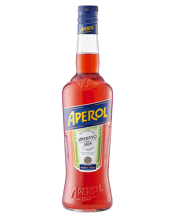
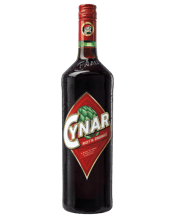
Short answer: if it’s red and bittersweet, it almost definitely counts. Outside of that, it’s not so clear cut. After all, remember what we just said about bitter red liqueurs being bittersweet and dyed red? Well, you only need to look at the bright orange Aperol or the cola brown Cynar to see that’s not necessarily true. Beyond the colour, bitter red liqueurs generally need to have a bitter flavour component and an ABV of 15 to 18% but, again, there’s a lot of variation outside of that.
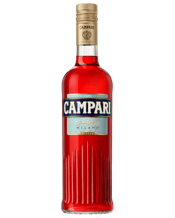
Ingredient-wise, nearly anything goes in a bitter red liqueur. Most of the ingredients are hush-hush secrets (Campari only admits to water and alcohol, along with "bitter herbs, aromatic plants and fruit”) but bitter herbs, spices and citrus are naturally common. Cynar, for instance, is based on artichokes, while it’s generally agreed (but not confirmed) that Aperol includes oranges, gentian root, cinchona and rhubarb.
The beauty of bitter red liqueurs is that, while there is some common ground between them, there’s more than enough variety you’ll almost certainly find a favourite. Here’s a cheat sheet for how a few of the more common bitter reds taste:
- Campari: Herbal, bittersweet, citrusy. Kind of like a concentrated blood orange tonic water.
- Aperol: Subtly bitter, sweet, a little herbal, zesty. It’s all sweet orange upfront with subtle herbal and bitter notes.
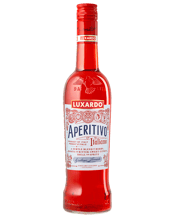
- Luxardo Aperitivo: Bitter, a little sweet, herbal, citrusy. An enjoyably bitter whack of grapefruit and orange flavours with a light herbal sweetness.
- Cynar: Bittersweet, vegetal, spicy, herbal. Good strong bitterness, a little sweetness and a bunch of vegetable, herb and baking spice flavours.
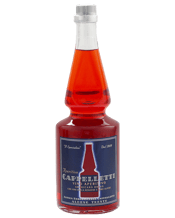
- Cappelletti: Subtly bitter, subtly sweet, herbal. Less bitter, less sweet and softer than many.

As far as versatility goes, bitter red liqueurs are nearly in a class of their own. Here are some ways to drink them:
Simple serves (neat, on the rocks)
With a relatively low ABV, a finely-tuned balance of bitter and sweet, and a whole pile of subtle herb, fruit and botanical flavours, bitter red liqueurs are actually great for simple serves. Campari on ice with a slice of orange or a twist of lemon is a definite winner but experiment with your favourites.
Basic mixers (tonic, soda and friends)
For some, bitter red liqueurs can benefit from a little dilution to cut the bitterness or add some depth. Common serves include Campari and soda (or tonic if you want a double shot of bittersweet), Aperol and soda or Cynar and tonic (garnished with a little sprig of rosemary or thyme) but flavoured sodas could work well, too.
Cocktails and spritzes
Between the Aperol Spritz and the Negroni, you’re probably familiar with the concept of bitter red liqueurs in cocktails, but let’s recap.
The Aperol Spritz is a simple formula of three parts prosecco, two parts Aperol and one part soda water, but consider it a guideline more than a rule (our recipe goes a little heavier on the Aperol, for example). Any other bitter red liqueur will work here, too, with Campari adding more of a bitter, citrusy note while something like Cynar will boost this into a much more herbaceous and complex drink.
Then there’s the Negroni – a simple mix of Campari, gin and sweet red vermouth that is proof that god loves us. There’s already a library of Negroni variations out there, like the prosecco-instead-of-gin Negroni Sbagliato or the long, tall Americano, but don’t feel wedded to Campari. Want less bitterness? Try a Cappelletti Negroni instead. Feel like dialling up the herbal sweetness? Go Cynar.
You betcha. These are, after all, drinks designed to stimulate the appetite. As with all food and drink pairings, it’s all going to depend on what you’re drinking (there are plenty of flavour profiles to choose from, as we mentioned above) and what type of occasion it is.
Typically, whether you’re drinking your bitter red liqueur in a Spritz, Negroni, other cocktail or neat, the combination of sweetness, bitterness, citrus and herbal notes (which are pretty common across the board) will go great with salty cheeses and cured meats. There’s something about a herbal Negroni and a fennel-heavy salami that just works wonders, for example. For drinks on the sweeter side like an Aperol Spritz, soft cheeses and salty, crunchy snacks and cured meats are ideal.
Bitter red liqueurs (especially in Spritz or cocktail form) can also pair nicely with main meals – we’re thinking simple woodfired pizza with something subtly bittersweet like Aperol or Cappelletti, while the added bitterness and zesty citrus flavours of Campari and Luxardo could easily match up to gamey meats like roast duck or grilled venison. As always, though, follow your heart and don’t be afraid to get creative.



%20(1)?$dans-daily-web-image$&hei=900)
?$dans-daily-web-image$&fmt=png-alpha&wid=800)