Fast facts and the signature fizz to try.
Heading to Champagne this year? Or perhaps, like me, the closest you’re getting to France is the Champagne aisle at Dan’s. Either way, it’s handy to know your way around the major producers. The big houses – AKA Grandes Marques or maisons – produce Champagne with grapes grown in their own vineyards, but they also source grapes from other growers in the Champagne region. And just a reminder that only Champagne from Champagne can be called Champagne. Still with us? Great.
While each house has a signature style, blending is key in the production of Champagne. Winemakers meticulously blend base wines, which, in Champagne, can only be made from three varieties – chardonnay, pinot noir and pinot meunier. These wines can be produced from grapes that come from different vineyards (you may also know them as crus) and different vintages.
So, what about grower Champagne? As the name suggests, grower Champagne is produced by growers. The grapes are grown in their own vineyards and the final Champagne is produced to reflect the particular vineyards and style. Grower Champagne tends to taste different every year, whereas Champagne from a Grande Marque has a distinct house style that is recognisable from vintage to vintage.
Now, we have, in fact, already let you in on some of our favourite lesser-known maisons, but today we’re all about the big houses. So, sit back, pour a glass of Champers and let us introduce you to six of the Grandes Marques and their signature Champagnes.
Click image to shop
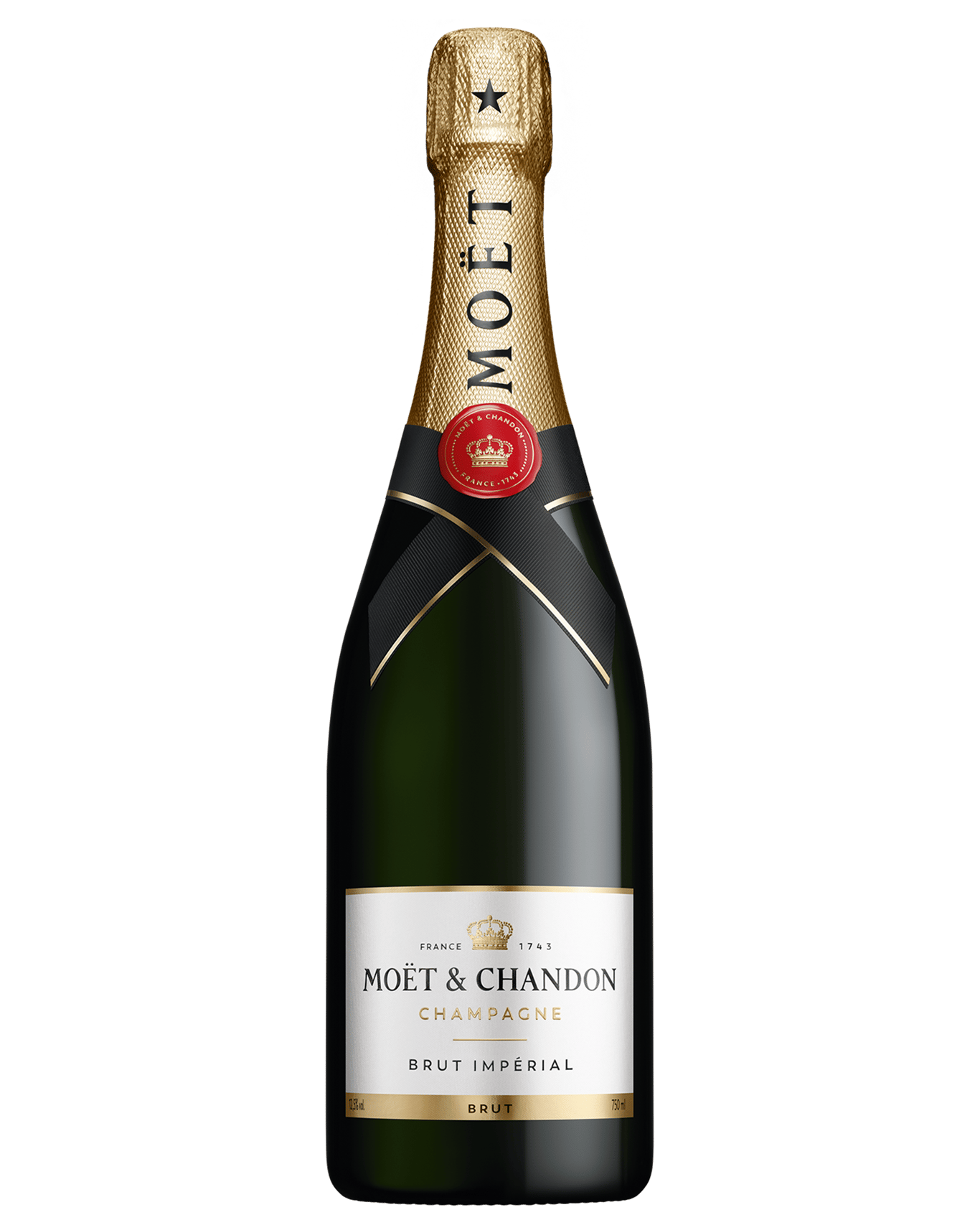
1. Moët & Chandon
Perhaps the most famous of all the houses, if you survey your friends and family, we’d say there’s a 99.99999999% chance every one of them has heard of Moët & Chandon. The house was founded in 1743 (that’s 282 years ago) by Claude Moët (and yep, it’s pronounced mo-wet).
Moët & Chandon’s vineyards sit on 1300 hectares of limestone soil – the largest vineyard area in Champagne. Its underground cellars are more than 28 kilometres long (that’s the length of 162 MCGs). Wherever you are in the world, you’ll never be far away from that famous star and crest. In fact, you’ll find it in more than 150 countries. Moët & Chandon is owned by LVMH, you may know them from their other works of art like Dom Pérignon, Belvedere, Château d’Yquem, Krug, Hennessy, Ruinart, Veuve Clicquot, and outside of the drinks world, they’re also home to Louis Vuitton, Dior, Celine, Loewe – the list is very long and very impressive.
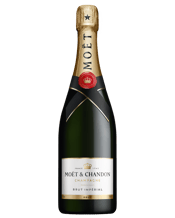
We can’t talk about Moët & Chandon without mentioning the Impérial Brut – it’s one of the most famous Champagnes in the world. Created in 1869, the Impérial is a blend of more than 200 crus across pinot noir, pinot meunier and chardonnay. It’s a dry, light-bodied Champagne with bright citrus fruit flavours. The Impérial is beloved by so many, which makes it an excellent gift. But you probably already know that.
2. Veuve Clicquot
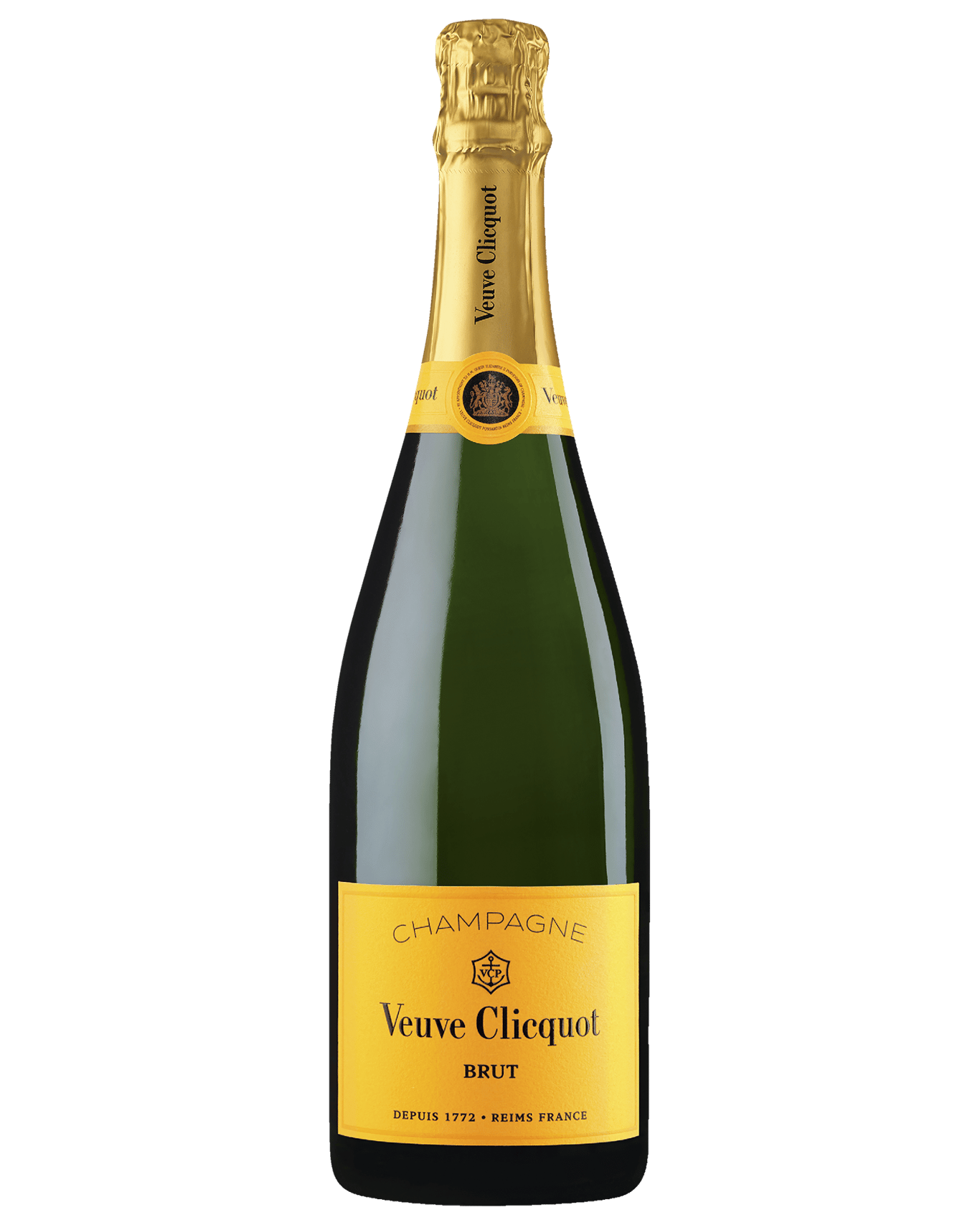
Veuve Clicquot is instantly recognisable by its signature, bright yellow label. Your first memory of Veuve might be it sitting in a bucket of ice on the Christmas table or watching your parents gift it for birthdays, anniversaries or, really, any occasion.
The house was founded in 1772 by Philippe Clicquot, later run by his son François and in 1805, François’ widow Barbe Nicole Ponsardin Clicquot took over the company. This info is important for a few reasons: the first being the fact that a woman was the head of a company in the 19th century (go, queen). And the second being that in 1810, Madame Clicquot – also known as the grande dame of Champagne – created the first vintage Champagne (Champagne created with grapes all from the same year).
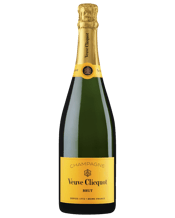
Veuve Clicquot’s chalk cellars are 24 kilometres long (that’s the length of the Sydney Harbour Bridge fitting into the cellar 21 times). Veuve is most famous for its Veuve Clicquot Brut Yellow Label Champagne. The core of this Champagne is pinot noir, but there’s a teeny bit of pinot meunier and some chardy, too. The Yellow Label is made from between 50 and 60 crus, and you can expect to taste pear, peach and pastry.
Click image to shop
Click image to shop
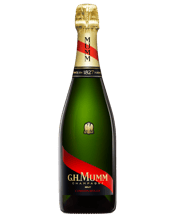
3. G.H. Mumm
G.H. Mumm, or Maison Mumm, was established in Reims in 1827. But that’s not where the story started – Peter Arnold Mumm launched his wine and merchant business, P.A.Mumm, in 1791 in Germany. It was Peter’s sons (Gottlieb, Jacobus and Philipp) who saw an opportunity in France and later launched the offshoot of the business in Champagne (and lucky for us they did!).
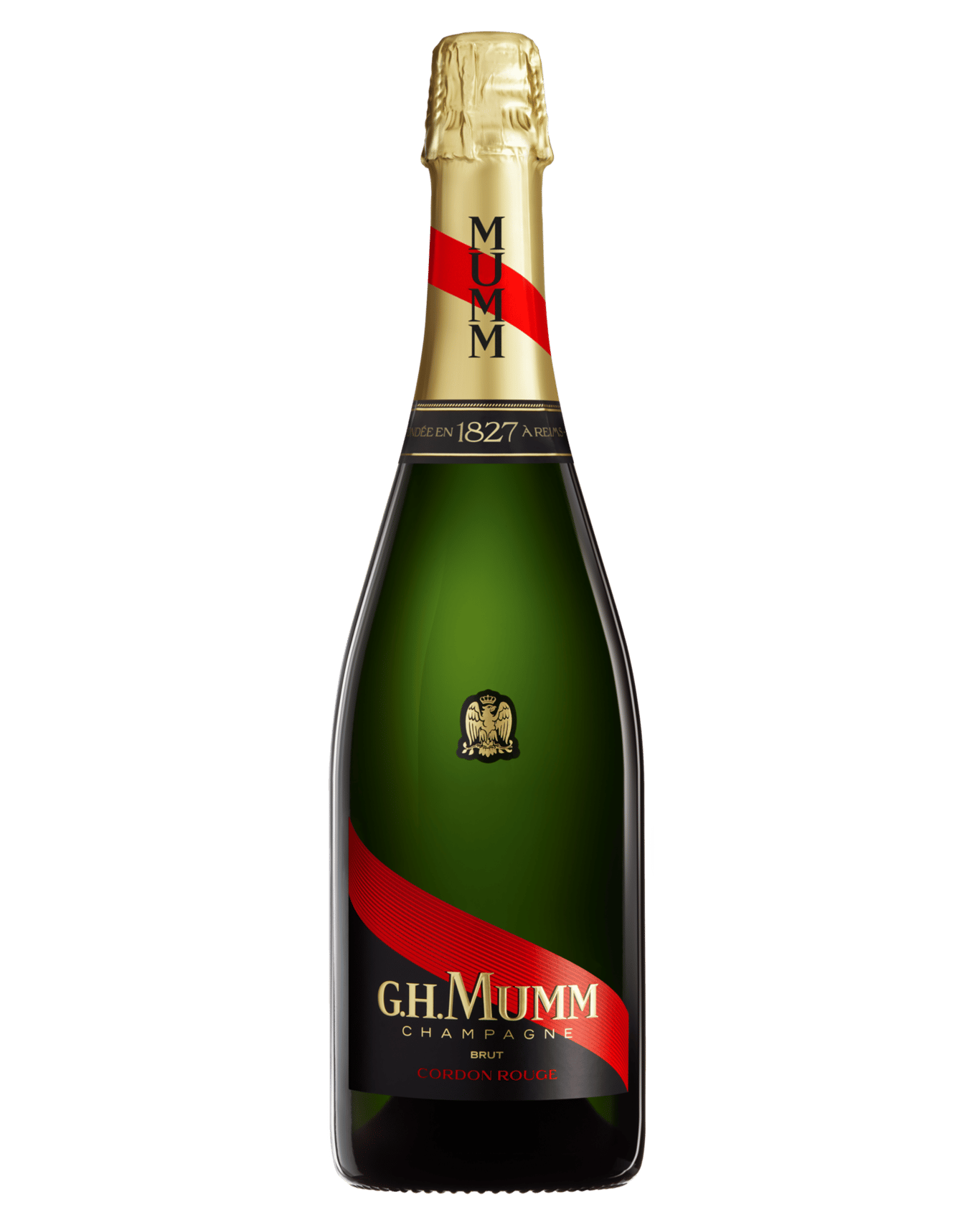
Mumm’s vineyards cover close to 218 hectares (sheesh), most of which is planted with pinot noir, along with some chardonnay and pinot meunier. The clever cookies at Mumm are famous for setting up their wine presses in vineyards way back in 1840, so you could say they were way ahead of the game. In 1876, Georges Hermann Mumm – if you’re still keeping up with the family tree, George was the son one of the brothers – released the famous Cordon Rouge. With the Cordon Rouge came Mumm’s iconic red silk ribbon, which remains Mumm’s signature 150 years on.
It’s blended from more than 100 crus and heroes pinot noir – the house’s signature grape – with chardonnay and pinot meunier added for their fruity and floral characteristics. Put your nose in the glass and you’ll smell lychee, pineapple and brioche. And as you sip, you’ll taste the white and yellow fruits and sticky caramel.
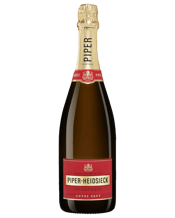
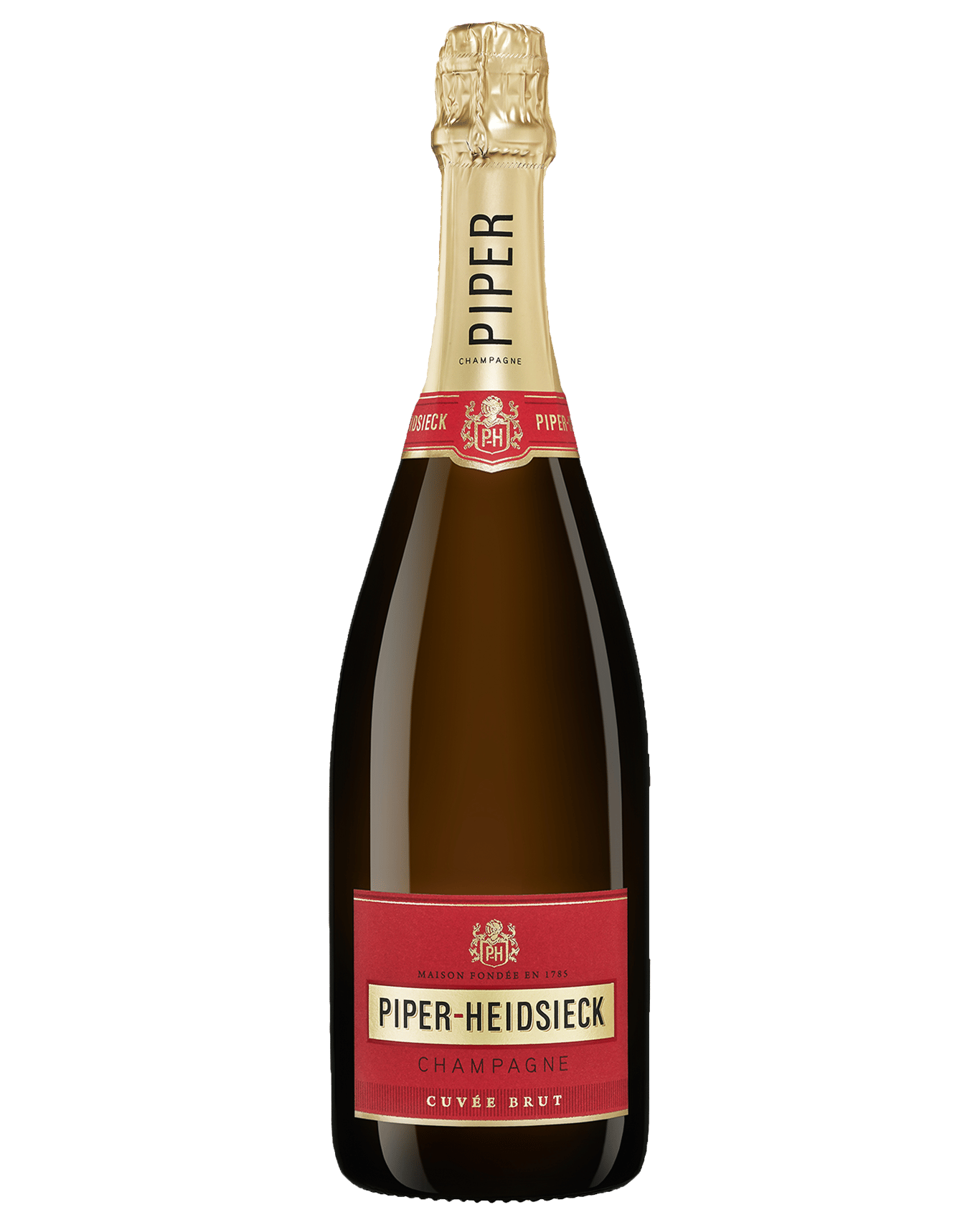
4. Piper-Heidsieck
Let me hit you with a couple of tidbits about Piper-Heidsieck. First of all, it’s famous for being the favourite drink of Marilyn Monroe – legend has it she kept a month’s worth of bottles stocked at all times. It’s also the Champagne that was served to the astronauts on Gemini IV after the 1965 American spacewalk (put those in your pocket for your next trivia night).
Piper-Heidsieck was founded by Florens-Louis Heidsieck in 1785. It was known as ‘Heidsieck & Cie’ at the time. Marie Antoinette was the brand’s first ambassador (or should we say influencer?). In 1815, Christian Heidsieck and Henri-Guillaume Piper (the Piper of Piper-Heidsieck) joined Florens-Louis, but it wasn’t until 1838 that the name changed to Piper-Heidsieck.
The Piper-Heidsieck Brut Champagne is perhaps one of the best bang-for-your-buck Champagnes available. The multi-vintage (or non-vintage) Champagne is a blend of over 100 crus from three varieties – yep, you guessed it – pinot noir, meunier and chardonnay. When it comes to flavours, think pear, apple, citrus notes and a bit of brioche.
Click image to shop
Click image to shop
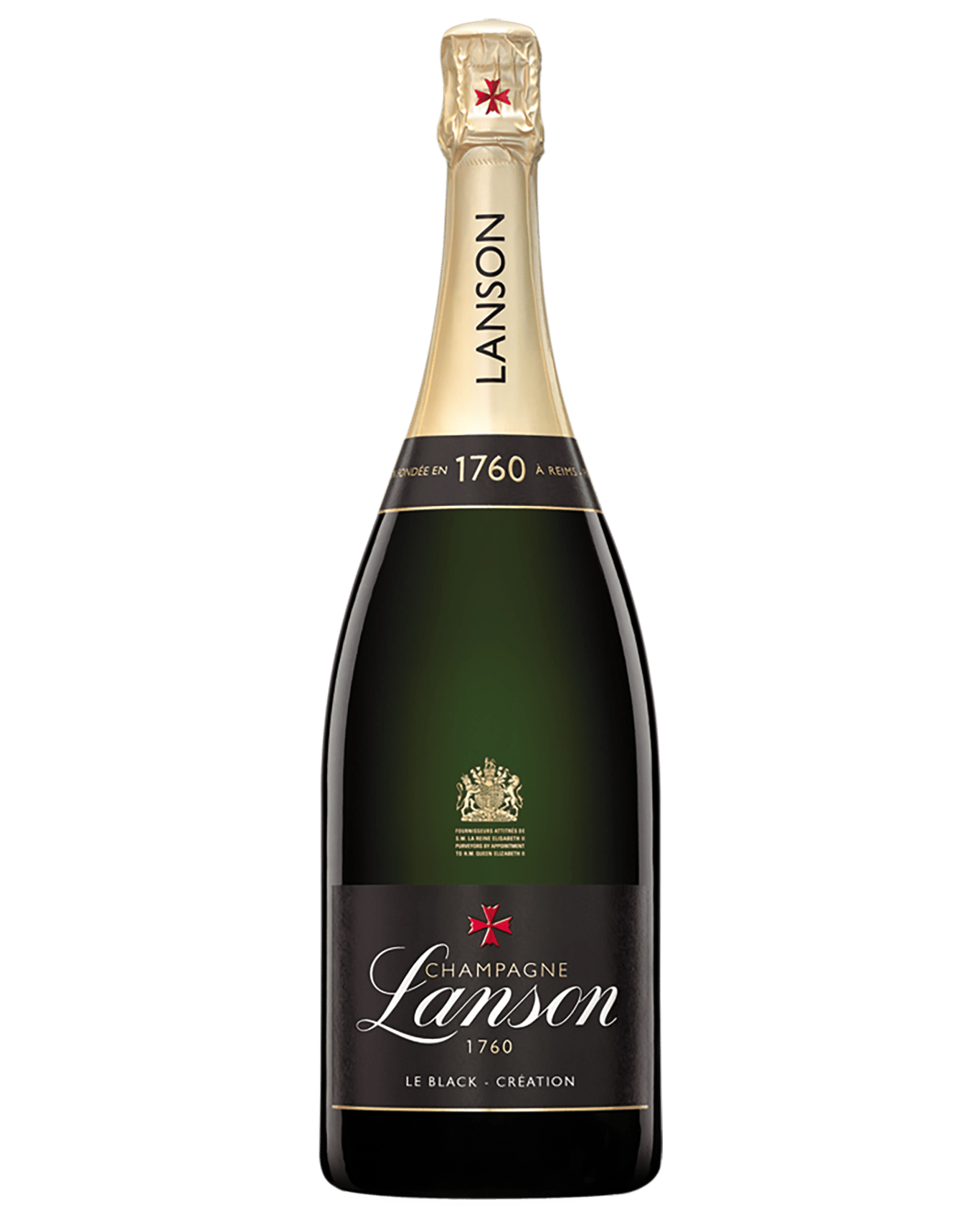
5. Lanson
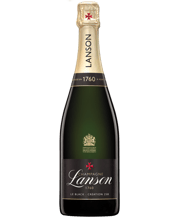
Lanson, based in the heart of Reims, was founded by Francis Delamotte in 1760, which means it’s 265 years old. It's famous for its red crest – the Croix Lanson – which you'll find on each bottle. And, fun fact, it’s also known for being the official Champagne of Wimbledon (a partnership that's into its 47th year, ace!).
Now, the rules are that Champagne must be aged in the bottle for a minimum of 15 months, but Lanson ages its Le Black Création Champagne – its signature wine – for four years. Each label is marked with a number, which will tell you how many harvests have taken place since 1760 (we lovvvvve trivia). It's a blend of our three favourites, with pinot accounting for 50%, and the fruit comes from around 100 vineyards. Pour a glass and you'll taste ripe orchard fruit, citrus like mandarin, lemon and grapefruit and that delicious brioche.
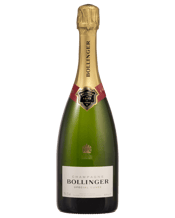
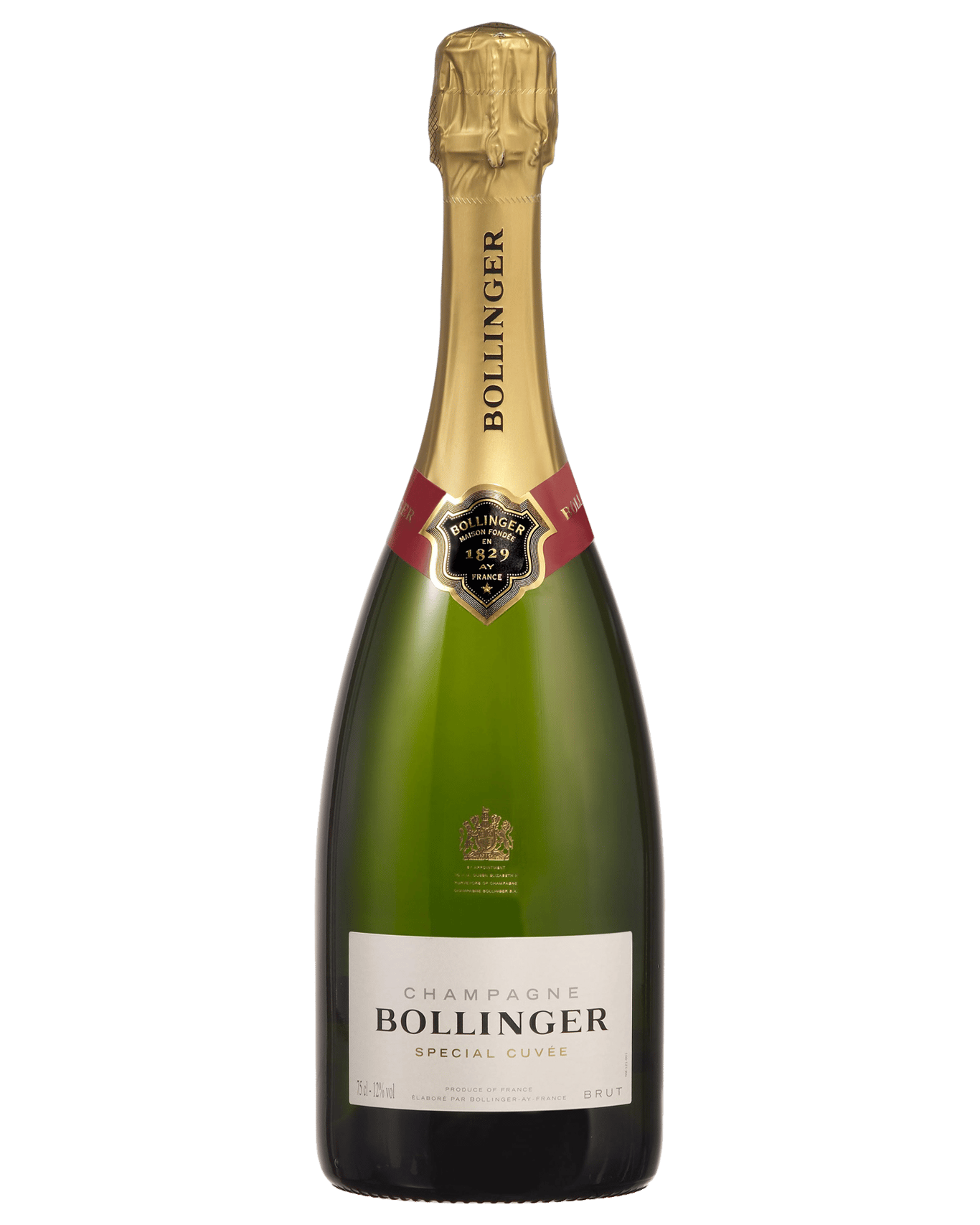
6. Bollinger
Champagne Bollinger (AKA Bolly) was established in 1829 and is one of just a few remaining independent Champagne houses. Bollinger is famous for its pinot noir dominant blends, with around 60% in the mix, and the same percentage planted in the vineyards.
You might notice a very royal stamp of approval on a bottle of Bolly, and that’s because Bollinger received a royal warrant (a mark of recognition to companies that supply goods to the royals – fancy) from Queen Victoria in 1884, and then again from King George VI in 1950. Not to mention it’s been in every James Bond film since Roger Moore ordered it in Live and Let Die.
The Bollinger Special Cuvée Champagne is the hero. It’s dry, full bodied and full of toasty flavours. It was dubbed ‘Special Cuvée by Georges Bollinger in 1911, who decided that “Georges Bollinger” was just not going to cut it. What you’ll smell? Roasted apples, compote and peaches. What you’ll taste? Pear, brioche and walnuts. Sign me up.
Click image to shop