

It’s fresh, zesty, food-friendly and unbelievable value – so why aren’t more of us drinking riesling?
Riesling is one heck of an overachiever. It’s highly aromatic and potently flavoured, particularly for a white wine. It’s light-bodied when young, and fuller when it’s aged (and, unlike plenty of other white wines, it’ll gladly chill out in the cellar until you’re ready). Riesling can swing between bracingly dry and dessert-level sweet, all while retaining its super zesty acidity. It’s one of the most food-worthy wines out there, too – dry styles are a perfect fit for delicate oysters, while sweet versions can tame tongue-scorching curries. And, somehow, riesling remains very well-priced through it all.
So, why doesn’t everyone love riesling? And what is this grape variety really all about? Let’s dig a little deeper to find out.
Riesling is a super aromatic white grape variety that’s been around since the 15th century – first in Germany and France’s Alsace, but it’s since swept the globe. These days, you’ll find it everywhere from its Euro home bases and Australia and New Zealand to the chilly parts of the Americas and even China. Wherever it goes, though, riesling prefers cold climates.
Known for its high acid, riesling also comes with floral and citrus notes, and, as mentioned, styles vary wildly. While previously known for its sweetness back in the day, riesling – especially Aussie expressions – is most commonly made in a dry style, with all of its fresh, bright and lively characters mingling together nicely.
There are many different riesling styles, but great expressions will always have a core of acidity. What does that even mean? Acidity helps to make riesling crisp and bright, giving it that overall freshness and an almost mouthwatering sensation that follows each sip. It’s a little like you’ve just had some fresh-squeezed lemonade or bitten into a green apple. Ultimately, acidity will make a wine seem lively and vibrant, which is a huge part of riesling’s appeal. Having said that, aged riesling will develop a richer, rounder texture, but acidity should still be alive and well to give it some drive and balance it all out.
In terms of flavours, there are all those floral and citrus notes, and these qualities are especially on show in Australian riesling. Expect zippy lime and lemon flavours, and there’s often an almost talcum-like floral aroma and flavour in some expressions, too (South Australia’s Clare Valley is famous for it). Other rieslings can have richer fruit flavours like apricot, melon and pineapple, particularly in sweeter styles.
Love seafood? Dry riesling is your friend. Whether it’s oysters, prawns, fish, pasta marinara or something else that hails from the ocean, riesling is perfect alongside it, especially if there’s a squeeze of lemon or lime on the dish. That citrus is going to bring out the best in the wine’s zippy lemon and lime notes. Riesling also works beautifully with a range of other dishes, especially those with spice. Take a bottle of riesling to your local Thai, Indian or Vietnamese and you’ll be so glad you did, especially if the wine is a touch sweeter than the average and you go all out on the chilli. These wines are brilliant at cutting through spice and refreshing the palate.
We also think riesling is an ideal pre-dinner wine, served with or without snacks, although it goes beautifully with a cheese plate or even just a bowl of salty or spicy chips.
Despite being so widely available, riesling still doesn’t necessarily get the attention it deserves, and we have a couple of theories why. For one, growing a grape like riesling outside of its favoured cool-climate regions won’t result in good wine – it might be sweet as hell without the acidity needed to balance it all out, or it could just be flat and flavourless. Another reason is that all sorts of cheap wines used to get (incorrectly) labelled as riesling back in the day. In addition, there’s also the fact that a lot of riesling was previously made to be sweet – and not necessarily with the acidity and finesse that the style needs, either. None of this is riesling’s fault, but you can understand why people who sampled these wines might be reluctant to revisit it.
The flipside to all of this – and in good news for us – is that this lack of demand leads to some pretty great prices. Even Australia’s finest rieslings (see: Grosset Polish Hill) are pretty much bargains when compared with top expressions from the rest of the world or even our own other pinnacle wine styles.
Riesling remains one of Germany’s proudest wines, as it is in France’s Alsace, too. In these European regions, you can expect fine, complex, layered and distinctive wines that come with centuries of tradition and know-how.
As mentioned, Australia is also a prime riesling producer, particularly in South Australian regions – most famously in Clare Valley and Eden Valley. Our other cool-climate regions are also turning out brilliant rieslings, such as Canberra District, Tasmania and western Victoria, while WA’s Great Southern is storming ahead with pristine, fruit-pure styles, too. We’re spoilt for choice.
Beyond our shores, New Zealand turns out incredible styles, often with a touch more fruit sweetness than our own, as well as Austria, Canada and the burgeoning Finger Lakes region of upstate New York, to name just a few.
Click image to shop
Six riesling to try
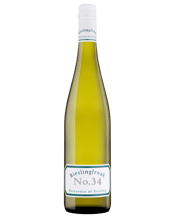
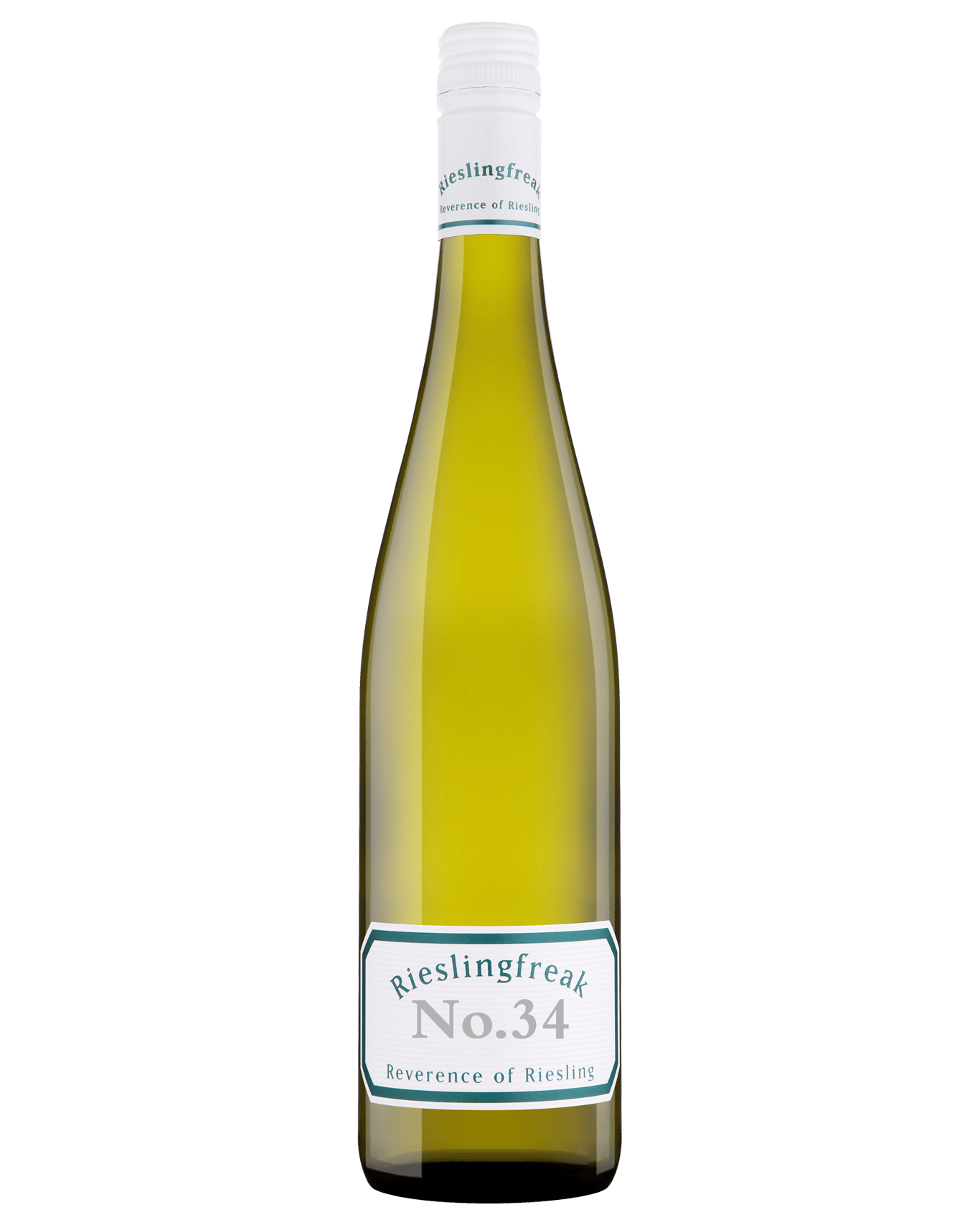
1. Rieslingfreak No. 34 Riesling
As the name suggests, this winery makes nothing but riesling, and founder and winemaker John Hughes is a self-described freak for the variety. These wines come from fruit out of both Clare and Eden Valley, and John doesn’t discriminate on style, producing off-dry, sweet, fortified, sparkling – the lot. This No.34 shows off the best of Clare and Eden, blending both regions’ grapes to produce a dry, floral, zesty riesling that’s complex and moreish.
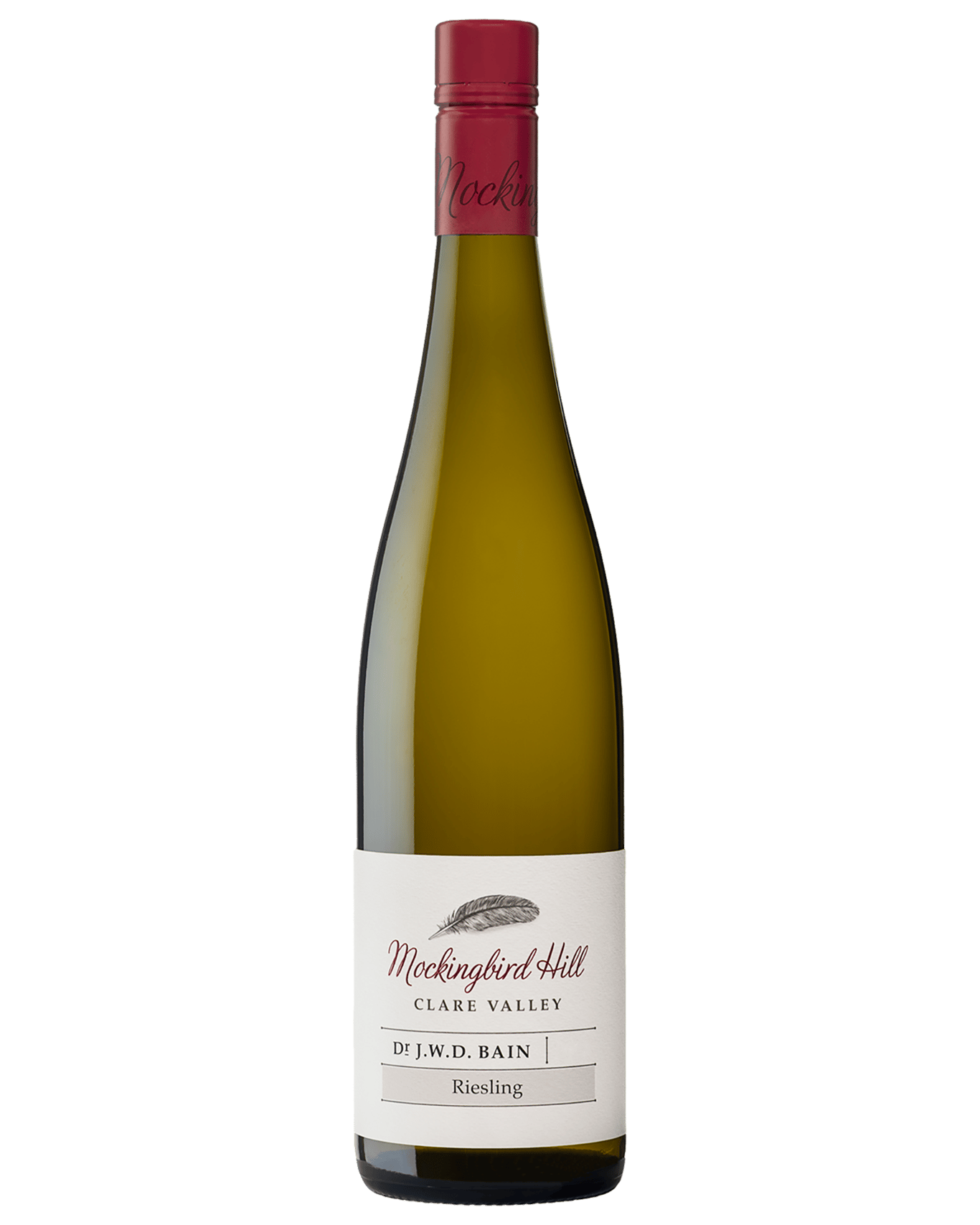
2. Mockingbird Hill Dr. Bain Clare Valley Riesling
This wine from Clare Valley is a bit of a grab-and-go for those in the know. It’s a step up from Mockingbird HIll’s (also excellent) entry-level riesling, which means you can expect a little more complexity here, but it still has fresh, crisp apple aromas, zesty citrus notes, that trademark natural acidity and a dry finish. This says oysters to us, but you do you.
Click image to shop

Click image to shop
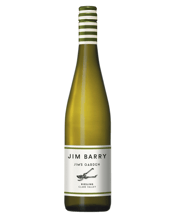
3. Jim Barry Jim’s Garden Riesling
This Clare Valley family winery has a cult following for its top-tier reds (particularly The Armagh Shiraz), but its rieslings also have more than a few fans. Super approachable – in price, too – the Jim’s Garden is everything that’s great about these wines. There’s fresh citrus, lemongrass, yellow peach and white florals, along with good acid and notes of white peach, melon and gooseberries, too. We love the tingly, fresh finish.
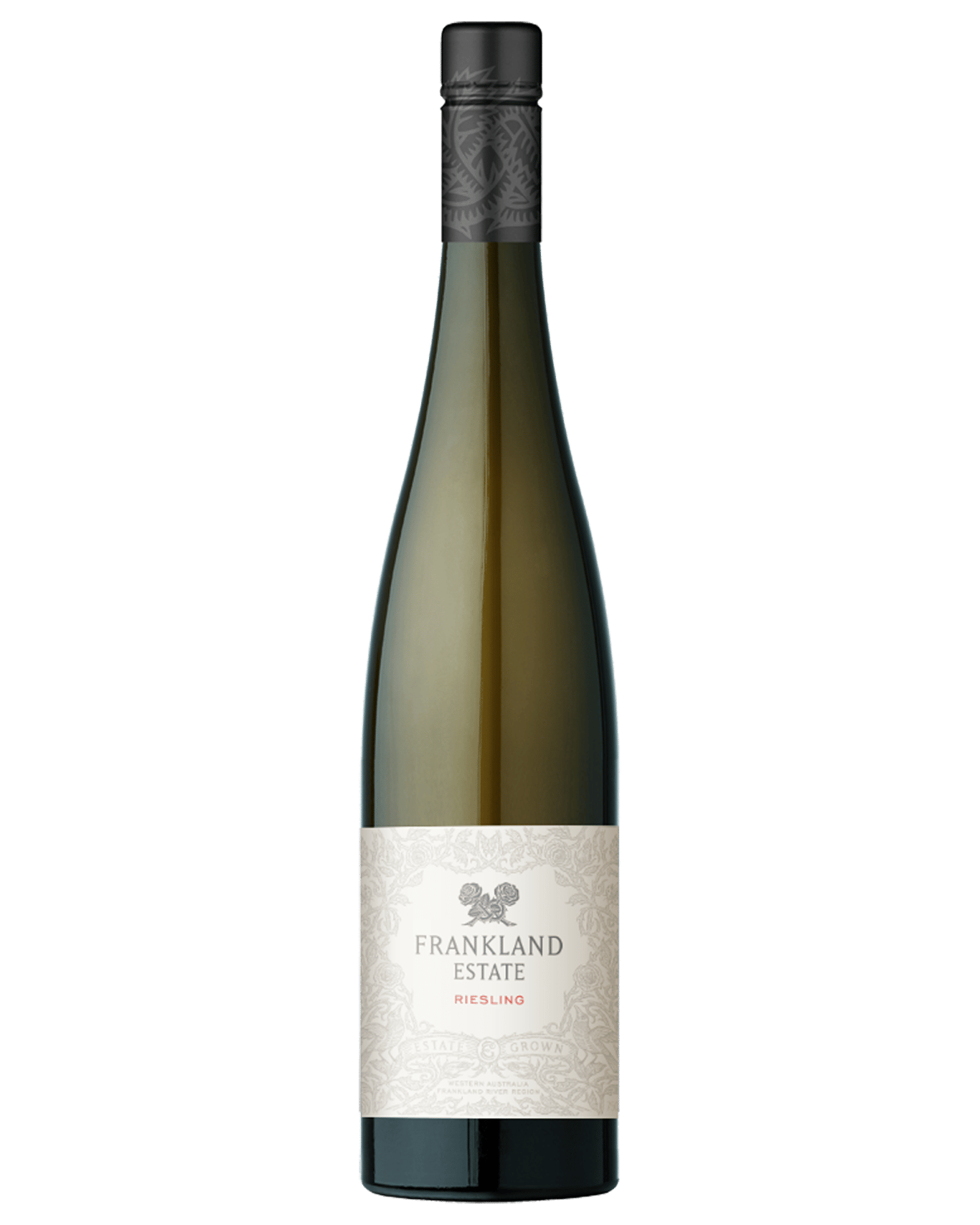
4. Frankland Estate Riesling, Great Southern
Great Southern rieslings are typically light-bodied, zesty and overflowing with flavours like lime juice and green apple. If that sounds like your thing, turn your attention to this one from biodynamic producer Frankland Estate – it’s light and dry, with a little mandarin and subtle spice in the mix. A few barbecued prawns or Albany rock oysters should complete the experience nicely.
Click image to shop
Click image to shop
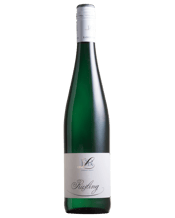
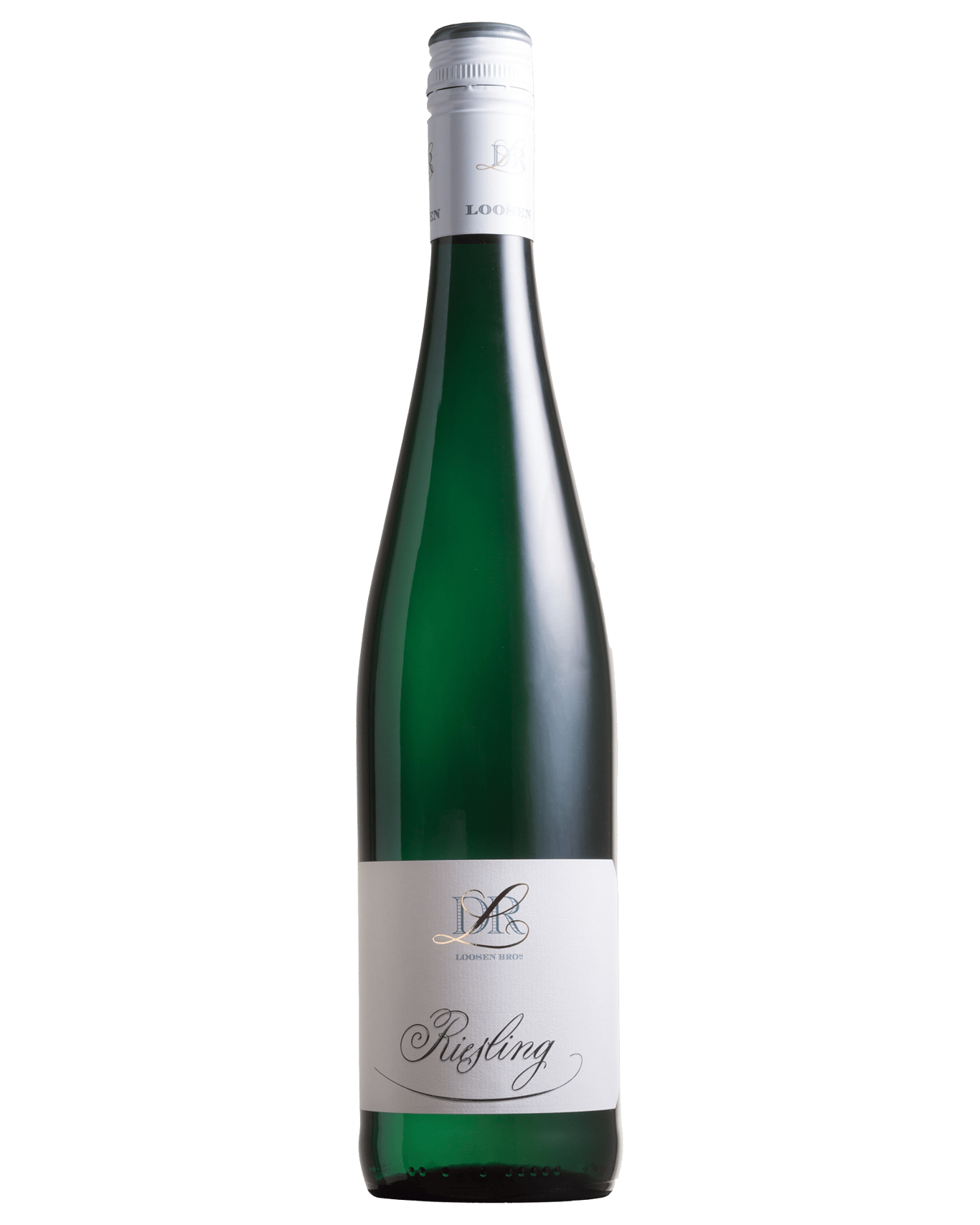
5. Dr Loosen Riesling
Dr Loosen is an iconic German producer from the Mosel and this classic riesling is on the drier end of the spectrum, although some vintages have a gentle hint of sweetness. Flavours of red and green apple can be found here, along with slatey mineral notes, making it a perfect match for everything from seafood to rich, fatty pork belly. If you’re keen to get a taste of old-world riesling, this is a great place to start.
6. Clonakilla Riesling
If riesling is underappreciated in Australia, then riesling from the underrated Canberra District is doubly so. Let’s fix that, shall we? Clonakilla has long blazed a trail in the region with its red wines like the exceptional Shiraz Viognier, but we’re all about this riesling. Zesty, fresh and clean, it’s a particularly floral style, but with a good whack of citrus, and it’ll develop real lime-marmalade-on-toast flavours with a little age. Your Friday fish and chips never tasted so good.

Click image to shop