Is it time to re-think pink? In our latest blind tasting, wine expert Sean Menezes pours out a French rosé surprise.
Clutch your glasses as we dive into the brave world of blind tastings with our Dan Murphy's wine expert Sean Menezes. In a high-stakes sensory showdown, Sean fearlessly puts his tastebuds on the line to unravel the mysteries of two captivating products – our favourite budget-friendly dupe and a more expensive mystery bottle. Sean’s mission? To dissect the enigmatic profiles of the two products before him and guess which is the more wallet-friendly winner – for all to see and sip for themselves. Here, Sean pours out his thoughts on each sip and why the dupe is worthy of filling your glass – the differences, the quirks, and the delightful surprises that set each product apart.
There was a time when French rosé was reserved for our most Instagram-worthy moments – a fashionable pink drink to sip and savour while overlooking a lingering sunset. Before long, we started to seek out the chicness it offered year round. The catch? The constant premium we had to pay for the pale, dry rosés hailing from the inherently glamorous Provence. And if you’ve done your rosé research, you’d know that cheaper alternatives can sometimes taste bubble-gummy and overly sweet.
But what if there was a French rosé dupe filled with fresher, zippier notes? With our rosé-coloured glasses, we eagerly plucked a popular, pocket-friendly French rosé from the shelf (a bottle that comes in under $11) and optimistically sought validation from our wine expert Sean. We presented it to him blindly alongside a pricier, mysterious counterpart (hint: a renowned French favourite sporting a price tag of around $40).
While we couldn’t whisk Sean away to the South of France, we are hoping the flavours might transport him. Read on to discover if our dupe left him blushing with joie de vivre.
What do you love about French rosé?
“Rosé is a wine that calls for a view. I blame all those postcards from Provence. You can picture yourself, bright blue skies, sun on your face, and you are far away from all the troubles and commitments in your life, simply enjoying the moment and the delicious wine in your glass.”
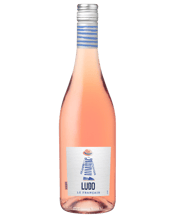
What were your rosy reflections on the first French rosé you tasted? (For those playing at home, this was the dupe – Ludo Le Francais Rosé). Any surprises, nuances or characteristics that stood out?
“The first rosé I tried was clean on the nose, lightly perfumed and had lovely red fruit and sweet lychee aromas. This drop was refreshing, lively and had amazing flavours of red cherry, apple and a touch of minerality on the palate.”
What were your thoughts on the flavours and textures of the second contender (the more expensive mystery bottle)? Did it differ significantly from the first?
“A bit lighter in colour at first glance, but again a very clean nose. It had some nice cherry and strawberry aromas. The thing that made me take notice of this wine was its texture on the palate as it was more layered and nuanced. I was getting fruit, spice, minerality, and a touch of salinity.”
Time to uncork the mystery. Which French rosé did you bet your tastebuds on as being the more budget-friendly option?
“A fun pair of wines to try! After tasting both wines, I actually found it hard to choose which one I preferred, but I was confident I knew the first wine was the dupe. The ‘a-ha’ moment was when I tasted the second wine and realised that it had a lot of layers.”
Okay, so you’re an expert and correctly guessed the more wallet-friendly contender, but did the Ludo Le Fraincais hold its ground as a worthy dupe?
“It certainly did. While the more expensive bottle was more layered – something you’d expect at that higher price point – the Ludo is a seriously great rosé. There are so many occasions in which that one, the dupe, would fit the bill and be a perfect choice. And when you look at the price point, how can you not be impressed? You can confidently take this to your next picnic party, sit tight, and wait for people’s reactions.”
When it comes to stopping and smelling the (French) rosés, what characteristics guide your senses in distinguishing between cheaper and pricier options?
“Personally, I always rely on what the wine tastes like on the palate. Many wines have a very clean and inviting aroma, but sometimes lack the weight, texture and flavour intensity on the palate. I want my rosé to be refreshing, and I want it to make me go in for another sip ASAP. If those two boxes are ticked, the wine instantly gets my attention.
“Rosés are meant to be fun wines that you don’t over analyse. I have had many customers over the years ask me for bone-dry rosés; in most cases, a paler-coloured rosé is the way to go. It all comes down to the grape variety and the winemaking. But there are plenty of darker rosés that are simply fantastic with riper red fruits like raspberry, cherry, and strawberry.
“Bottom line: a rosé can be easy drinking, but that doesn’t mean it has to be boring. Experiment and try different rosés; pick a bottle that is pale salmon pink and another that is a bit deeper in colour. You can try a fresh, vibrant style or a savoury style with a touch of spice and the lightest of tannin and grip. Explore the range, and you’ll be in for a surprise.”