

Crisp, clean and easy-drinking – lagers are on the up and rice lager is stealing the show.
This might sound wrong from a publication dedicated to deliciousness but… there is such a thing as too much flavour. Well, sometimes, at least.
In the beer world, the craft movement has triggered a bit of an arms race for big flavours and powerful aromas, and while there’s nothing wrong with that – we love pastry stouts and double IPAs just as much as the next guy – there’s a time and place. Now, it seems, is the moment for beers at the other end of the spectrum – humble lagers like Mexican-style cervezas. And this leads us to our new favourite, the rice lager.
The rice lager, particularly the Japanese style, is a beer that is less about palate-tingling potency and more about adjectives like clean, crisp and fresh – the sort of beer you want when the humidity is nearing three digits or when you’re scarfing salty tempura snacks. Rice lagers are easy-drinking, mildly-flavoured and bloody great beers – and they’re coming for you.
Rice lagers are nothing new and you’ve likely been drinking them without really even knowing – heck, Budweiser has been brewing with rice since the late 1800s, and Coors has long been a rice-based beer, too.
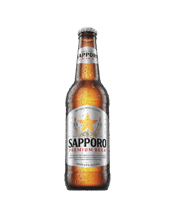
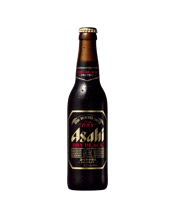
The big Japanese lagers like Kirin, Asahi and Sapporo – the ones that are very much driving the style’s renaissance – are all rice-based, and particularly renowned for their light, crisp style. Japan’s rice lagers have their origins in the 19th century, combining the influence of European lager brewers with a taste for the sorts of dry, light-bodied beers that only rice can produce.
But whether it’s brewed by an old-school macro or a modern craft indie, rice lagers are going to be based on a malt bill of rice (generally about 30%), with other grains making up the balance. The reason for using rice can vary, but for brewers interested in making good beer, rice imparts a more subtle flavour and much less sweetness than malted barley (which is good in this case), gives beer a light body and makes for a very dry finished product. Beyond that, rice lagers can be anything – hoppy, dark, low-alcohol – but the typical style is pale and dry with a very light touch of hop bitterness.
Even though they’ve been around forever, there are a few reasons you’re likely to see a rice lager in our hands these days – especially the Japanese-style brews.
Fashion
Like tiny shorts on footballers and big perms on pop stars, beer is subject to the expansion and contraction of fashion tastes. Having seen the big trends of the past decade come and go (we’re talking sours, pastry stouts and IPAs of both the West Coast and hazy/New England variety) it’s fair to say that light, crisp and super-drinkable beer is finally having its day. No complaining here.
It’s a real craft
While the big players like Budweiser and Coors have a reputation for making uncomplicated, low-flavour brews, the craft scene isn’t making these sorts of rice lagers. Our favourite brewers (and we’ll give you a rundown below) have perfected lagering techniques – which have a reputation as being pretty tricky – and are now making extremely good-quality rice lagers. Just like there’s a difference between a bowl of rice you make at home and the artful grains you find at a high-end sushi spot, there is a big difference between standard rice lagers and those brewed with skill and vision.
The food-friendly beer
Do not underestimate the power of food in the context of a crisp, dry rice lager. With its subtle flavours, low bitterness and overall freshness, the rice lager is the sort of food-friendly all-rounder we’ll reach for in nearly every instance. Sure, it’s going to work with Japanese food (it’ll refresh the palate after a rich curry, but it won’t overpower sashimi) but you’re unlikely to find a cuisine rice lagers won’t work with. When in doubt, go the rice lager.
Japanese lager for an Aussie lifestyle
Queensland brewery Heads of Noosa brews Japanese rice lagers as the flagship beer on its lager-exclusive list and it makes sense – it’s hot and humid up there. And while Queenslanders have a reputation for being light lager lovers (we’re looking at you, Great Northern) the rest of us can agree that, when the Aussie summer rolls in, rice lagers are hard to top.
Gluten free…ish
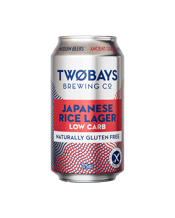
Brewers like gluten-free hero Two Bays uses rice in their beers because rice is…well, gluten free. As we mentioned, though, rice is generally only about a third of the malt used in a beer, so while you’ll find great gluten-free rice lagers on the market, they’ll usually be making up the difference with a grain like sorghum or millet.
Looking to get in on the ground floor with the rice lager trend? We got you.
The Japanese classics
Yes, we sing the praises of the new guard of crafty rice lagers, but the Japanese big guys are still a worthy starting point. The dry lagers from brewers like Monsuta (brewed with rice, plus Okinawan hops, barley and water) and Sapporo (which they’ve been making since 1877) are great examples of the style. But, for something a little different, Asahi Super Dry Black uses a roasted barley malt alongside rice, balancing a subtle toasty richness with the clean, rice-based lager. Pair the former with just about anything on the menu (we’re thinking katsudon, personally) while the dark lager is made for soy-glazed yakitori skewers.
The modern craft breweries
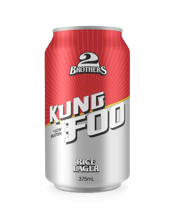
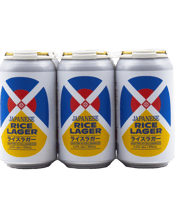
Melbourne’s Two Brothers Brewery has been flying the flag for years with its Kung Foo Rice Lager (which, besides being light and clean, has a touch of citrus hops to it) while lager-only brewery Heads of Noosa leads the way up north with the crisp Japanese Lager and lightly roasty Black Japanese Lager.
If you’re getting the taste, we’d also recommend checking out the Karaoke Kingu from NSW brewery Yulli’s (which adds a subtle complexity with some NZ hops on top) and the ultra-clean, slightly-lemony Craft and Co. rice lager.
As we said, the gluten-free craft brewers have been using rice for a while now, making Two Bays – which has a classic gluten-free lager and a proper Japanese rice lager – a great way to get in on the crisp, clean action.