


We ask the beer experts about craft brewing’s next ‘it’ beers and trends – and it’s not what you might expect.

If you ask Matt King, co-founder of Sydney’s The Grifter Brewing Co. – pictured far left – there’s a collective focus on clean, sharp, crisp-tasting beers. “As an industry, I feel like we’ve all really refined ourselves over the years,” he says. “For a while, everyone got a bit confused, bumped up the alcohol content and threw everything in. But we’ve sort of gone full circle and had our fun in the sun.”
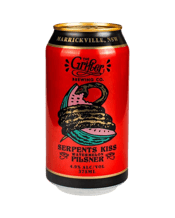
Producers are now taking a closer look at the classic beer styles, such as pilsners and lagers, but don’t think that means experimentation is over – just look at The Grifter’s Serpents Kiss, which is a watermelon pilsner. “It’s our second-most popular beer, and it sounds crazy, but it’s pretty refined,” Matt says.
Lion’s craft beer ambassador Rhianna Lucas has also noticed this shift. “But they’re not just what you’d expect from your average lager,” she says. “I’m seeing a lot of takes on craft pilsners and other crisp, refreshing styles, but they’re still exploring flavour, and there’s a lot of creativity behind them. Lager’s the canvas to play with.” Rhianna suggests this could be in response to the “absolute flavour bombs” that have been in such recent high demand. “But those styles definitely still have their place, too,” she says.
Kevin Tewierik of Melbourne’s Moon Dog Craft Brewery (pictured right) points to the pandemic to explain this change. “We’re coming off the back of Covid and lockdowns, where people were looking for all sorts of new and interesting things, presumably to keep their lives interesting,” says the Director of Brewery Operations. “That was a lot of fun for brewers because we could innovate and play around, and there was a huge appetite for it.” Now, however, he says that demand is slowing, and the focus is changing once again.
Kevin is quick to add that innovation is still alive and well, with plenty of out-there styles continuing to be explored. But at their venue – Moon Dog World in Melbourne’s Preston – Kevin is seeing first-hand the rising demand for lagers. “It’s actually one of the hardest beers to make well because there’s nowhere to hide, so you’ve got to get your recipe and process right to make a really good, clean beer,” he says.
Up in Brisbane, Green Beacon’s Operations Manager Chris Borbas agrees. “We think craft lager is poised to break onto the scene in a big way. The style is complex in its simplicity and extremely difficult to brew, but so rewarding when done right,” he says. “There are plenty of companies testing the waters at the moment and, when the conditions are right, I think we'll see a shift in the market.”


For Ray Chen, Product and Innovation Manager at Dan Murphy’s parent company Endeavour (pictured left), it’s all about fruit. This follows last year’s launch of fruity beer, and while fruit has long been an inspiration for craft brewers, Ray is seeing even more producers tinkering with it as an ingredient.
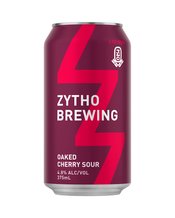
One recent example that proved especially popular was the Zythos Oaked Cherry Sour. Created for Christmas, it was full of oaked cherry and chestnut notes to tap into that time of year – something craft producers have long been doing with seasonal releases. “There are definitely a lot more products coming out that are using fruit,” Ray says. “They’re infusing the ideas together, and there’s a lot of interesting stuff out there.” The newest releases from Byron Bay Brewery, their Passionfruit Mango and Raspberry fruit lagers, are another perfect example.
Moon Dog’s Kevin Tewierik also predicts a lot of action for alcoholic ginger beers. With so many on the market, producers are now chasing a point of difference in these styles to make people choose them over another. “I think by next summer, you’ll see a lot more of them,” he says. “They still need to hit the mark of what a good ginger beer is, but if you can add a twist to it, you can make it more interesting.”
The low and no-alcohol market shows no signs of slowing, and happily, these beers are getting better and better. “There’s still a lot of innovation going on in that space, and I really love the effort brewers have put into creating really fantastic low- and no-alcohol beers,” says Lion’s Rhianna Jones (pictured right). “I like that it’s about beer being for everyone, and inclusive for people who might not be drinking.”
The Grifter’s Matt King agrees the no- and low-alcohol movement is continuing to grow, so it’s important to offer alternatives – in their case, they have a new mid-strength. “It’s our nod to the fact that less is more,” Matt says. “With mid-strengths, you’re playing with a decent amount of ingredients, so you can make a beer with flavour. When people try ours, they often say ‘It doesn’t taste like a mid’, so there’s still a stigma around them, but that’s what these beers should taste like – beer!”
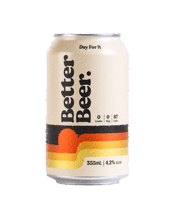
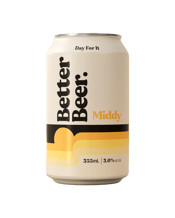
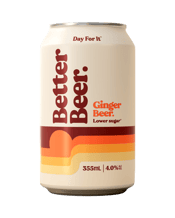
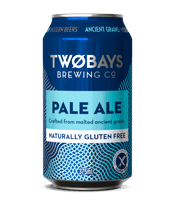
Endeavour’s Ray Chen says the ‘better for you’ trend is moving well beyond zero% brews. “Low-carb is a really strong focus, as is gluten-free, as they all fit with a healthier lifestyle,” she says. The huge success of Better Beer has proven the demand, with the Uninspired Unemployed duo behind the brand now releasing a 3% ABV option with the Better Beer Middy.
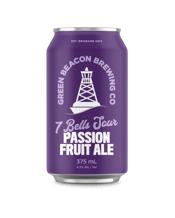
Green Beacon is committing to this space by adding a new brew to their core range – the Subtropic, which is a low-carb hazy pale. “Our brewers have managed to create a full-bodied beer with a downpour of tropical hop character, 70% less carbs than regular pale ales and under 99 calories per can!” Chris Borbas says.


Craft brewing has long made sustainability a priority, with the use of cans over bottles just one example. “Anything we can do to enhance our sustainability is a real win for the whole community,” says Moon Dog’s Kevin Tewierik.
For The Grifter’s Matt King, sustainability is a constant work in progress, but solutions are out there. Matt spent several years working with a packaging company to develop an alternative to plastic can holders. The result was a cardboard four-pack holder that stands up to condensation, which they launched in 2021. “It’s saving us so much in plastic a year, and we’ve helped other brewers transition over to it as well,” he says.
Diversity and inclusion are also in focus, with Lion’s Rhianna Jones pleased to see they’ve become genuine priorities. “It’s about the way the industry is working within itself, but also the way beers are being produced and marketed, with the theme being that beer is for everyone, which is great to see,” she says. “I’m also noticing a lot more women at beer festivals and events, with an even split of men and women trying the beers.”





%20(1)?$dans-daily-web-image$&hei=900)
?$dans-daily-web-image$&fmt=png-alpha&wid=800)