

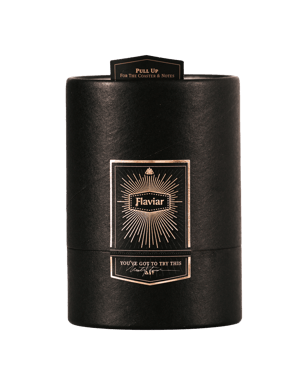
FlaviarNever Say Sayonara Tasting Box 135mL
About this product
Oh, Mizunara!
It’s so money, baby. It’s so money and it doesn’t even know it.
Which might have something to do with its humble start as a second-hand wood for finishing Whiskey. See, the Japanese had to fall back on their native oak when imports of American and European oak werecut off during World War II.
Those days are lo-o-o-o-ng past it, baby. Today, you’ve got to have some serious yen to belly up to the bar with whatever spirit Mizunara’s messin’ with. Truth is, women love it, men adore it and everyone wants a taste.
But what exactlymakes Mizunara so money? Well, there’s the obvious — casks made from the Japanese oak are the most expensive in the world. In fact, they’re TEN times more expensive than any other cask out there. And here’s why: it takes 200 years for a Japanese oak to reach the right size and maturity to create one. But apparently good things come to those who wait… and wait… and are eventually outlived by a hella costly tree.
So, Mizunara casksare fairly rare, but... there’s also a ton of valuein the finishing process. That’s because Mizunara does something to Whiskey that no other oak can — it imparts a way higher number of oak lactones into the liquid.
Translation: your Whiskey’s about to deliver a one-two punch of sweet and spice, with an aroma TKO of incense, sandalwood and coconut.
Case in point: the three spirits saying “kon’nichiwa” in this Tasting Box. All of them have one thing in common — well, yeah… they’re all booze. Thanks, Captain Obvious. But they also use Mizunara as the finishing agent. Like the the silky Cognac Park Borderies Mizunara Finished that leaves lingering notes of fruit and vanilla on the palate, the nutty Writers' Tears Copper Pot Japanese Mizunara Cask Finish with its insanely long finish and the mighty Kaiyo Mizunara Aged Cask Strength Japanese Malt Whisky. Three wildly different spirits, and yet, they’ve managed to find common ground.
It’s so money, baby. It’s so money and it doesn’t even know it.
Which might have something to do with its humble start as a second-hand wood for finishing Whiskey. See, the Japanese had to fall back on their native oak when imports of American and European oak werecut off during World War II.
Those days are lo-o-o-o-ng past it, baby. Today, you’ve got to have some serious yen to belly up to the bar with whatever spirit Mizunara’s messin’ with. Truth is, women love it, men adore it and everyone wants a taste.
But what exactlymakes Mizunara so money? Well, there’s the obvious — casks made from the Japanese oak are the most expensive in the world. In fact, they’re TEN times more expensive than any other cask out there. And here’s why: it takes 200 years for a Japanese oak to reach the right size and maturity to create one. But apparently good things come to those who wait… and wait… and are eventually outlived by a hella costly tree.
So, Mizunara casksare fairly rare, but... there’s also a ton of valuein the finishing process. That’s because Mizunara does something to Whiskey that no other oak can — it imparts a way higher number of oak lactones into the liquid.
Translation: your Whiskey’s about to deliver a one-two punch of sweet and spice, with an aroma TKO of incense, sandalwood and coconut.
Case in point: the three spirits saying “kon’nichiwa” in this Tasting Box. All of them have one thing in common — well, yeah… they’re all booze. Thanks, Captain Obvious. But they also use Mizunara as the finishing agent. Like the the silky Cognac Park Borderies Mizunara Finished that leaves lingering notes of fruit and vanilla on the palate, the nutty Writers' Tears Copper Pot Japanese Mizunara Cask Finish with its insanely long finish and the mighty Kaiyo Mizunara Aged Cask Strength Japanese Malt Whisky. Three wildly different spirits, and yet, they’ve managed to find common ground.
Oh, Mizunara!
It’s so money, baby. It’s so money and it doesn’t even know it.
Which might have something to do with its humble start as a second-hand wood for finishing Whiskey. See, the Japanese had to fall back on their native oak when imports of American and European oak werecut off during World War II.
Those days are lo-o-o-o-ng past it, baby. Today, you’ve got to have some serious yen to belly up to the bar with whatever spirit Mizunara’s messin’ with. Truth is, women love it, men adore it and everyone wants a taste.
But what exactlymakes Mizunara so money? Well, there’s the obvious — casks made from the Japanese oak are the most expensive in the world. In fact, they’re TEN times more expensive than any other cask out there. And here’s why: it takes 200 years for a Japanese oak to reach the right size and maturity to create one. But apparently good things come to those who wait… and wait… and are eventually outlived by a hella costly tree.
So, Mizunara casksare fairly rare, but... there’s also a ton of valuein the finishing process. That’s because Mizunara does something to Whiskey that no other oak can — it imparts a way higher number of oak lactones into the liquid.
Translation: your Whiskey’s about to deliver a one-two punch of sweet and spice, with an aroma TKO of incense, sandalwood and coconut.
Case in point: the three spirits saying “kon’nichiwa” in this Tasting Box. All of them have one thing in common — well, yeah… they’re all booze. Thanks, Captain Obvious. But they also use Mizunara as the finishing agent. Like the the silky Cognac Park Borderies Mizunara Finished that leaves lingering notes of fruit and vanilla on the palate, the nutty Writers' Tears Copper Pot Japanese Mizunara Cask Finish with its insanely long finish and the mighty Kaiyo Mizunara Aged Cask Strength Japanese Malt Whisky. Three wildly different spirits, and yet, they’ve managed to find common ground.
It’s so money, baby. It’s so money and it doesn’t even know it.
Which might have something to do with its humble start as a second-hand wood for finishing Whiskey. See, the Japanese had to fall back on their native oak when imports of American and European oak werecut off during World War II.
Those days are lo-o-o-o-ng past it, baby. Today, you’ve got to have some serious yen to belly up to the bar with whatever spirit Mizunara’s messin’ with. Truth is, women love it, men adore it and everyone wants a taste.
But what exactlymakes Mizunara so money? Well, there’s the obvious — casks made from the Japanese oak are the most expensive in the world. In fact, they’re TEN times more expensive than any other cask out there. And here’s why: it takes 200 years for a Japanese oak to reach the right size and maturity to create one. But apparently good things come to those who wait… and wait… and are eventually outlived by a hella costly tree.
So, Mizunara casksare fairly rare, but... there’s also a ton of valuein the finishing process. That’s because Mizunara does something to Whiskey that no other oak can — it imparts a way higher number of oak lactones into the liquid.
Translation: your Whiskey’s about to deliver a one-two punch of sweet and spice, with an aroma TKO of incense, sandalwood and coconut.
Case in point: the three spirits saying “kon’nichiwa” in this Tasting Box. All of them have one thing in common — well, yeah… they’re all booze. Thanks, Captain Obvious. But they also use Mizunara as the finishing agent. Like the the silky Cognac Park Borderies Mizunara Finished that leaves lingering notes of fruit and vanilla on the palate, the nutty Writers' Tears Copper Pot Japanese Mizunara Cask Finish with its insanely long finish and the mighty Kaiyo Mizunara Aged Cask Strength Japanese Malt Whisky. Three wildly different spirits, and yet, they’ve managed to find common ground.
- Size135ML
- Standard Drinks4.8
- Alcohol Volume45%
- CountryJapan
- Brand NameFlaviar
- ClosureCork
Ratings and Reviews

Be the first to write a review.