


What are hops and how do they affect your favourite beer?
Brewers use hops for three reasons – bitterness, flavour and aroma – and they're introduced to the brewing process at different times to create these effects. Adding them earlier will create bitterness, while adding them at the end will create aromas. Add them in the middle and boom – you've created flavour.
These are, of course, general guidelines; some beers will have four, five or six hop additions, while others may only have one or two. The hops that go into a specific beer will differ too. Some hops can be used for all three effects, while others are there purely for aromatics. They're similar, in a way, to wine grapes, with brewers playing the role of winemaker and experimenting with different combinations to create a final product that's familiar enough but still unique.
There are far too many hops to list here and the number is always expanding thanks to breeding programs all over the world. There are, however, some varieties that are more commonly used to make your favourite craft and non-craft beers. These are some you may well have tasted:
Galaxy
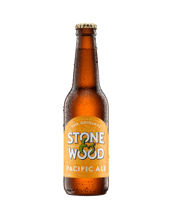
'Galaxy' is an Australian hop descended from the German 'Perle' variety. It's super fruity and is probably the most well-known Aussie hop, appearing in many styles of beer both at home and overseas. The hop's typical flavours are citrus, peach and passionfruit, exemplified in the ever-popular Stone & Wood Pacific Ale, which uses only Galaxy hops to achieve its fruity refreshment.
Pride of Ringwood
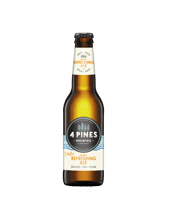
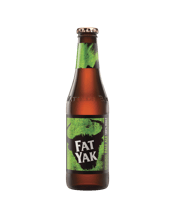
Made from the British 'Pride of Kent' hop, the 'Pride of Ringwood' was bred in the 1960s by Australia's Carlton and United Breweries. It's considered the quintessential Australian hop and is predominantly used in its bittering capacity, though it also brings citrus aromatics to the table. Beers including 4 Pines Freshy Ale and Matilda Bay Fat Yak make good use of Pride of Ringwood in their brewing process.
Saaz
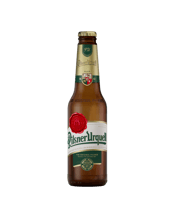
'Saaz' is one of the four original 'Noble Hops', which were used extensively in German and Czech brewing. It's most commonly found in Bohemian-style lagers and pilsners and is a key ingredient in Pilsner Urquell. Though it doesn't offer much bitterness and is relatively mild compared to the new-age hops used in the more experimental craft beers, Saaz brings earthy, spicy and herbal flavours to a beer, making it hugely popular and widely sought after.
Citra
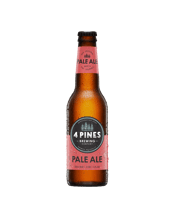
Though 'Citra' was first bred in the 1990s, it wasn't made available to craft breweries until 2007, after several large breweries had found no use for it in their beers. As the name suggests, Citra typically displays citrus aromas and flavours of lime, orange, grapefruit, making it a popular addition to American pale ales and IPAs. In Australia, 4 Pines Pale Ale makes excellent use of Citra as its dominant hop.
Amarillo
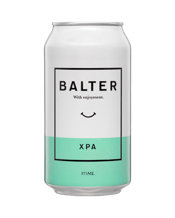
Hailing from Washington State, 'Amarillo' is an American hop that's similar to 'Citra' both in characteristics and popularity. It's used as an aroma hop, often in collaboration with Citra to make something like the Balter XPA, which consistently finishes at the pointy end of Australia's favourite craft beer polls.
Cascade
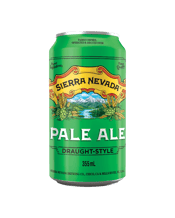
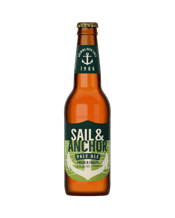
The 'Cascade' hop has been around the US for years and is one of the pioneering hops of the craft beer movement. It's most commonly found in American pale ales and IPAs and is the key addition to the iconic Sierra Nevada Pale Ale, which has been a Californian favourite for some 30 years now, as well as Sail & Anchor Golden Ale.


%20(1)?$dans-daily-web-image$&hei=900)
?$dans-daily-web-image$&fmt=png-alpha&wid=800)