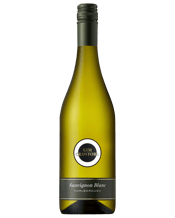


These labels might be unexplored territory for many, but with their familiar flavours and affordable prices they provide an easy pathway into the wonderful world of international wine.
Wine from Spain
Spanish wines offer incredible value and full-bodied dry red wines – such as native Tempranillo – really steal the show. Rioja is a great place to start your Spanish wine journey; it’s one of only two areas in Spain with a DOCa (Denominación de Origen Calificada), an important classification denoting exceptional quality.
Some Spanish wines to watch include Tempranillo and Grenache. In Spain, the words 'tempranillo' (a grape) and 'Rijoa' (the most important region for tempranillo) are synonymous with delicious medium-bodied red wines bursting with dark blackberry fruits and notes of rich, ripe plums. Keep an eye out for bottles from one of Spain’s most famous wineries, Marqués de Riscal. While grenache – or garnacha, as it’s known in Spain – is often blended with Tempranillo and/or Syrah to soften tannins and add spicy notes. When Grenache appears as a varietal wine expect plenty of big fruit flavours, like dried strawberry and plum, and low tannins.
Showing 1-5 of 72 products

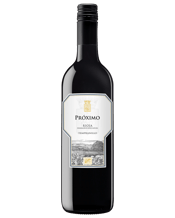
$12 per bottle

$8 per bottle









Wine from Chile
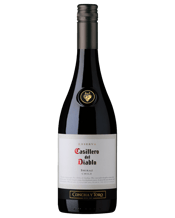
Despite being a New World region, Chile has a long history with wine production – grapes were first introduced in the 16th century by Spanish conquistadors. It’s now the seventh largest wine producer in the world, renowned for citrus-driven chardonnay and sauvignon blanc (grown along the cool-climate coastline) and rich reds like Syrah, Cabernet Sauvignon and Carménère, which thrive in the warmer inland valley regions.
A Chilean wine to watch is Carménère. Medium-bodied savoury wines made from the carménère grape are widely considered to be Chile’s finest. Although the grape was originally imported from France, it thrives in the sunny Central Valley region, which is home to elegant reds with plenty of black fruits and peppery spice.
Showing 1-5 of 21 products




$15 per bottle


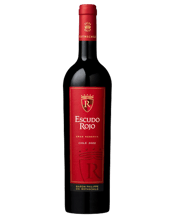

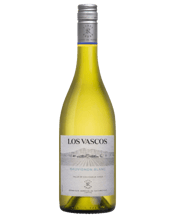


Wine from Italy
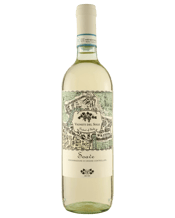
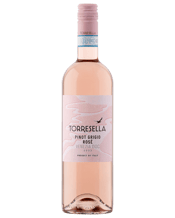
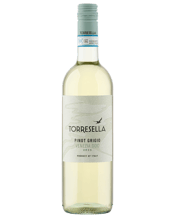
With an estimated 1000 grape varietals, Italy offers an inexhaustible diversity – but if you’re new to Italian wine its more food-friendly options are a great place to start. Try a crisp, aromatic pinot grigio (great with fish) or a luscious Montepulciano d’Abruzzo (perfect for pasta) at your next dinner party.
Some Italian wines to watch include Pinot Grigio and Montepulciano. Crisp, clean and refreshing, pinot grigio is one of Italy’s great wine success stories. The best come from north-eastern regions Friuli, Trento-Alto Adige and Veneto, where the high altitude and low temperatures ensure grapes retain a high acidity. It’s typically dry and light-bodied, making it the perfect match for many occasions. Meanwhile, affordable wines made with Italy’s Montepulciano grape can be found all over Italy, but those from the central-eastern region of Abruzzo – known as Montepulciano d’Abruzzo DOC, offer high-quality wines at incredible prices. Expect generous texture with deep-set dark fruits, rich flavours and plentiful ripe tannins.
Showing 1-5 of 137 products


$12 per bottle
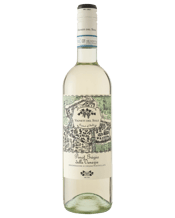

$13 per bottle

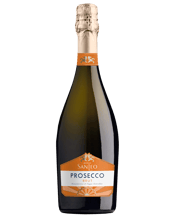





Wine from France
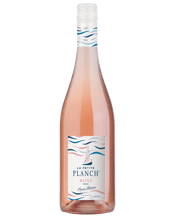
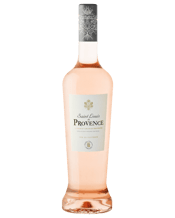
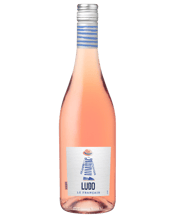
As any wine lover will tell you, some of the finest wines in the world come from France, and thanks to thousands of years of winemaking experience and a reputation for industry excellence, you can find quality on any budget.
Some French wines to watch include Sauvignon Blanc and Malbec. You may have already tried the herbaceous Sauvignon Blancs of New World New Zealand, but the French style is a little more restrained. Sauvignon Blanc can trace its origins back to the Loire Valley and Bordeaux regions in France where its name literally translates to 'wild white' – expect subtle minerality with herbal undertones and lovely, fine acidity. Most people think of Argentina when they think of Malbec, however it’s native to France, where its colour, tannin and acidic qualities saw it become one of the top five wine grapes in Bordeaux until the mid-70s, when it was nearly wiped out by frost. The French version is quite different to the big, brash Argentinian style – Malbec from the south of France (an area known for its top value bottles) has plenty of juicy plum and raspberry fruit wrapped up in a spicy, savoury framework.
Showing 1-5 of 467 products

$10 per bottle

$10 per bottle

Limits apply







Wine from Portugal
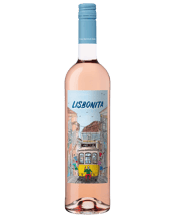
Portugal is world-famous for its Port, but it also produces award-winning wines. The vast majority of Portuguese vineyards are interpolated with tens, if not hundreds of different native varietals, so most producers blend these to make wines that deliver exceptional quality at low prices.
Portugese wines to watch include red blends and Vinho Verde. It’s very common for Portuguese reds to be labeled simply as 'Vinho Tinto', or 'tinted wine', without listing the grapes (as there are so many!). The best is Touriga Nacional, which is commonly dominant in wines from the Duoro region, where it is also used to make Port. As a general rule, expect Portuguese reds to be deep in colour, high in tannin and medium‑bodied with plenty of dark fruit flavours. The quintessential Portuguese white wine is Vinho Verde – it’s not a grape, but a DOC (Denominação de Origem Controlada) that covers one of the largest wine growing areas in the country. Grape varieties vary based on sub-region, but floral Loureiro and steely, minerally Alvarinhno (also known as Albariño) are common. Vinho Verde wines are best drunk while young and vibrant and are a wonderful match for light, seafood-based dishes.
Showing 1-5 of 20 products

$9 per bottle


$10 per bottle

$12 per bottle
$11 per bottle







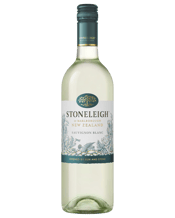
Browse our range of International Wine
Showing 1-5 of 4233 products


$12 per bottle


Limits apply

$21.99 Buy One Get One Free