




DAN MURPHY'S WINE MERCHANT
Meet Michael Park
It was history and tradition that first piqued Wine Merchant Michael Park’s interest in fine Champagne. He’s been lucky enough to see Napoleon’s tricorn hat in the dusty cellars at Moët & Chandon. He’s visited the transatlantic telephone room below the streets of Westminster where Churchill would call Roosevelt with glass of Pol Roger in hand. And he’s been a passenger on the electric train, now long gone, that once ran through Piper-Heidsieck’s cellars. And of course, his favourite scene in the 1962 classic film Dr. No is when the nefarious villain persuades Bond not to use a bottle of Champagne as a weapon with the quip: “That’s a Dom Perignon ’55 – it would be a pity to break it.”
This collection of luxury Champagnes comes recommended by Wine Merchant Michael Park of Sydney's Kingsford store. Michael has been an enthralled student of Champagne for many years and he’s delighted to share that passion with you now through this selection of incredible wines.

WINE MERCHANT RECOMMENDATION
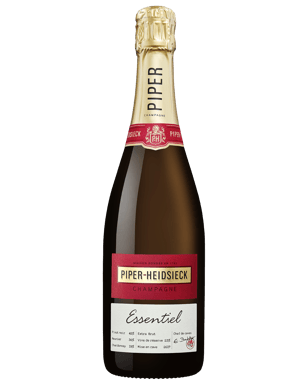
Non-Vintage: The Classic House Style
A non-vintage cuvée is often a blend of wines from numerous growers and harvests. Meticulous blending allows a house style to be replicated each year. Every house will have at least one signature non-vintage style, sometimes more, and this will always represent the brand's distinct personality.
Shop Non-Vintage Champagne

WINE MERCHANT RECOMMENDATION
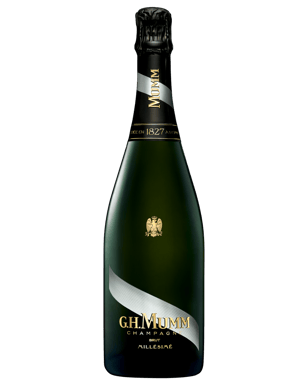
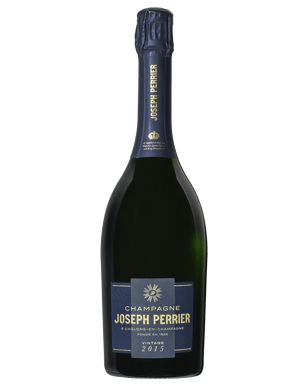
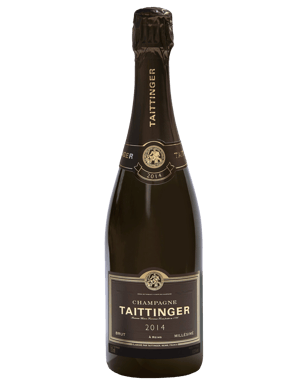
Vintage Champagne: seasonal expression
Vintage Champagne accounts for less than five per cent of total Champagne production. In order to be declared a vintage year, the growing conditions and fruit quality must be extraordinary, leading many maisons to produce fewer than three or four vintage wines per decade.
The best houses will further mature their Champagnes in underground caves for up to six years before release, where conditions are perfect for ageing the delicate beverage.
What makes vintage Champagne so special?
The charm of vintage Champagne lies in the nuances that each harvest brings. Heralded by some as the vintage of the decade, the 2002 was dry and warm, resulting in exceptional Champagnes with ripe fruit characters. In 2007, early heat followed by summer rains saw vignerons harvest early; higher acidity and fresh examples are the result. Another outstanding year, 2009 was marked by dry growing conditions, creating well-structured wines with elegance and finesse. In 2012, summer warmth created a small crop of outstanding pinot noir fruit, lending richness and complexity to the vintage.
Shop Premium Vintage Champagne

WINE MERCHANT RECOMMENDATION
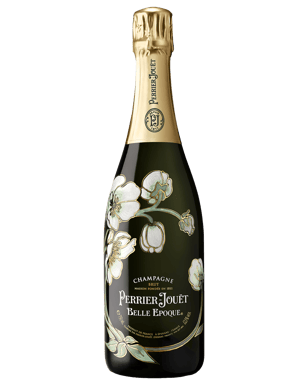
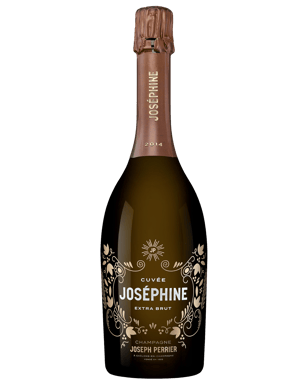
Luxury Champagne: House Icons
No expense has been spared in the production of these Champagnes. The flagship label for a premier Champagne house not only represents the very best they can make, but will also often include a personal element of history; a signature that is uniquely connected to the maison.
When we are lucky enough to experience these exceptional wines, this extra touch helps us connect to them on a personal level and remember the occasion forever.
Shop Premium Luxury Champagne

WINE MERCHANT RECOMMENDATION
Rosé Champagne: full of flamboyance and flavour
For many of us, rosé Champagne is the final frontier – we’ve tried the classic non-vintage blends, delved into vintage Champagnes, and are ready for something to completely excite us.
Rosé Champagnes range from romantic strawberries-and-cream styles through to savoury and firmly structured full-bodied expressions. No matter the character, they always make a statement.
Exploring assemblage and saignée
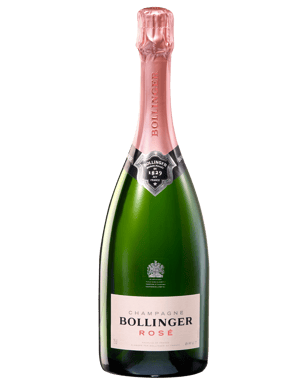
There are two ways to achieve rosé Champagne’s signature pink hue. The first, known as assemblage and favoured by Bollinger and Dom Pérignon, sees the winemaker add still pinot noir wine (usually 7–15 per cent) to the sparkling base. This method is uncommon outside of Champagne and almost never used to make still wines. A more widely-adopted technique is saignée, meaning 'bleed' in French, where colour is gently extracted from red grape skins during the maceration process.
Shop Premium Rosé Champagne
Australia's Greatest Champagne Range
Our stores each hold a large selection of premium Champagnes, and we invite you to explore more than 200 labels online, including limited releases, special bottlings and large formats.