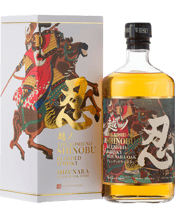
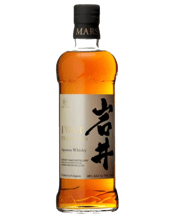
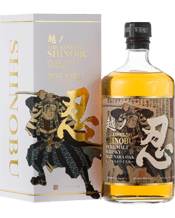
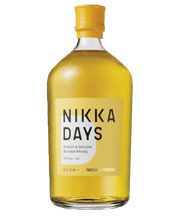
Warm up to the exciting world of Japanese whisky.
Masataka Taketsuru is widely considered the grandfather of Japanese whisky. He was born into a family that brewed Japan's famous sake, but travelled to Scotland to study whisky distilling and learn from the best of the best. He was the first Japanese student to study chemistry at the University of Glasgow and honed his craft while apprenticing at three separate distilleries, before returning to Japan in the 1920s to follow his dream of distilling whisky in Japan.
Taketsuru set up the Nikka Whisky Distilling in Yoichi, which, unsurprisingly, enjoys a climate very similar to Scotland. It's cool and crisp with just the right amount of humidity and, up until 2001, it's where most of Japan's whisky was both produced and consumed. Then a Nikka 10-year-old Single Malt was awarded 'Best of the Best' in a blind tasting conducted by Whisky Magazine, skyrocketing Japanese whisky to global fame. A couple of years later, Bill Murray's film 'Lost in Translation' featured a scene in which he advertises Suntory whisky, bringing Japanese whisky to the attention of the wider United States. The rest, as they say, is history.
There are only a handful of whisky distilleries in Japan, even after 100 years of production, yet Japanese whiskies are consistently winning awards and beating out some pretty well-known Scotch whiskies for the top spot. One of the driving factors behind this incredible success is Japan's culture of craft. The Japanese are renowned for their dedication to perfect a craft, so if there's one thing we can expect from a Japanese whisky, it's going to be total mastery, particularly in their single malt examples.
That said, even the blended whiskies in Japan come from the same distillery. In Scotland, it's common practice for different producers to sell each other malts for their signature blended whiskies, but this isn't the case in Japan. The Japanese take full control of the production process for blended whiskies, ensuring every ingredient, from the malts to the water source, is up to the distillery's high standards.
Gone are the days of whisky being a drink for grandfathers. Whisky has a wide range of flavour profiles, from smoky to spicy and fruity to delicate, so there really is a whisky for everyone.
Japanese whisky tends to be light and very approachable, comparable to a Speyside Scotch. Think fruity, grassy and light with some honeyed characters. This style of whisky is great for beginners but is also complex enough to appeal to more experienced drinkers. Japanese whisky also tends to be versatile when it comes to food pairings, with the lighter styles pairing well with the delicate flavours found in sushi, while the rich, darker styles are perfect for smoky meats and dark chocolate. This means that wherever someone is on their whisky journey, a Japanese whisky will always have something to offer.