


Curious about the difference between a 10- and 15-year-old whisky? Let’s unpack how age shapes your favourite bottles.
Ageing. Turns out it’s actually a good thing. For us humans, age brings wisdom, experience and a cool salt-and-pepper hair colour that many tell me is nothing to worry about and actually quite distinguished. For spirits, age often brings complexity, colour and richness, creating something completely different from its unaged version. We reckon that’s something to celebrate.
If you’ve ever wondered what the difference is between 12- and 15-year-old whiskies or why some rum is light and some is dark, we’ve got you. We’re embracing the ageing process and you should, too.
Usually, spirits that have been distilled in pot stills (like rum, whisky and brandy) are candidates for ageing, while those distilled in column stills (like vodka and gin) are not. There are some technical reasons for this, but we don’t need to get into that. Suffice to say, pot-distilled spirits are open to change, and ageing is all about change.
An unaged spirit can be a little like a wild horse – it’s a thing of beauty and potential, but it needs taming. You can definitely drink unaged versions of spirits like whiskey (the Americans would call this ‘moonshine’, the Irish ‘poitin’) but ageing softens some of the harsher characteristics, letting the spirit mellow. It also adds a whole spectrum of new and interesting flavours, like sweetness, spices and creaminess.
Every spirit starts out clear, no matter what it’s distilled from. For spirits like vodka and gin, this is almost always their final form – they’ll get bottled and enjoyed with minimal fuss. But did you know that whisky, rum, brandy and all your other favourite dark spirits also start out clear?
It goes something like this: you distill a spirit, then it goes into a wooden (usually oak) barrel. That barrel leaches colour and flavour into the spirit, while a little bit of oxygen gets in and some of the spirit evaporates over long periods of time. The type of barrel, the temperature or climate of where the spirit is aged and how long it spends in the barrel will all subtly change the spirit over time.
Generally speaking, the longer a spirit ages, the more flavour and concentration you’ll get – but there’s a balance to be struck. It’s all about how much flavour you want to get (and the ideal flavour profile), how much time you can afford to spend on ageing, and how much of the spirit might end up being lost to evaporation. These are the questions distillers have to answer.
We haven’t mentioned wine yet, and there’s a good reason for that – wine and spirits age differently. When someone pulls out an old vintage of a special wine they’ve been saving in the cellar, most of that ageing has happened in the bottle. Wine is very sensitive to oxygen, and even the tiny amount that makes it around a cork or screwcap will change the flavour and colour of a wine over time.
With spirits, once it’s bottled, that’s basically the end of the ageing process – oxygen doesn’t really do much in the bottle. So, if you’re looking at a 12-year-old whisky and thinking you might personally bump it up to a 21-year-old, you’re out of luck – just drink it and enjoy.
We’ll talk about specific spirits in a second (because there really are some big differences), but here’s a general point: older is not always better. Okay, let’s qualify that.
Older spirits are almost always richer, darker and more complex than their younger counterparts. But the important thing to remember is they’re also just different. Young spirits can be punchy and vibrant and exactly the sort of thing you might want in a cocktail or highball. Young spirits can also be quite light, which might suit your palate or the weather or your mood that day.
Long-aged spirits can be magical – there’s really nothing like a single-barrel bourbon or single malt Scotch that has rested in oak for 21 years. They’re sippers, special-occasion bottles and rewards for patience, but they’re not inherently better. As ever, let your palate guide you.
1. Scotch whisky
Scotch whisky is the posterboy for aged spirits, and fair enough too – they’re the ones with age statements on the bottles where others might not. Scotch is usually aged in barrels that have already been used for ageing something else – usually sherry, port or bourbon. This means the whisky absorbs these flavours from the barrel over time, bringing flavours like fruitiness, vanilla or spices. And due to the relatively cool Scottish climate, Scotch whisky ages slowly and with minimal evaporation.
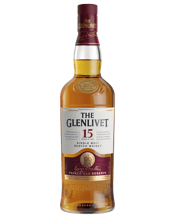
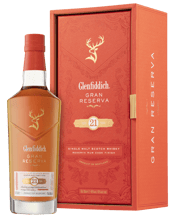
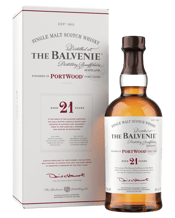
Scotch needs to be aged at least three years before it can be sold, but 10- and 12-year-old whiskies are common and relatively affordable. If you’re willing to fork out, though, some producers sell whiskies aged for 30 or 40 years or more.
2. Bourbon whiskey
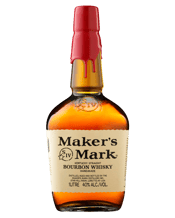
America’s biggest contribution to the spirits world is bourbon whiskey (always with the ‘e’) and it’s got a unique ageing story. By law, bourbon can only ever be aged in new (that is, never before used) American oak barrels. If you’ve ever thought bourbon had a sweet vanilla flavour, new American oak is the reason.
Generally speaking, the climate of places where bourbon is made (mostly Kentucky) is warm enough to allow for some evaporation (they call it the ‘angel’s share’), as well as a relatively quick maturation. Bourbon must be aged for at least two years before it’s bottled, but it doesn’t need an age statement.
3. Rum
Rum is a bit of a tricky one since, unlike a lot of the other spirits on this list, it can be made all over the world and the rules vary depending on where you go. Also, unlike whiskies, unaged rums are just as common and useful as dark rums – and usually these are what you’ll be using in your Daiquiris and Mojitos.
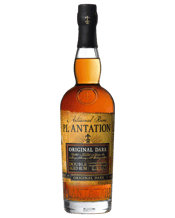
In Australia, rum has to be aged for at least two years. In the Caribbean, where the temperatures are hot and humid, rum ages (and evaporates) rapidly, resulting in deep, dark and rich rums in just a few years. Dark rums are great sippers, but they also work well in cocktails like a Dark ‘n’ Stormy.
4. Tequila
Like rum, tequila isn’t distilled just to be aged – ‘blanco’ tequila is clear and usually either unaged or briefly aged in stainless steel tanks. There’s plenty to love about unaged tequila as a pure expression of the agave (with plenty of grassy, citrusy notes), but you’ll also find complexities and flavours in aged tequila that’s well worth exploring.
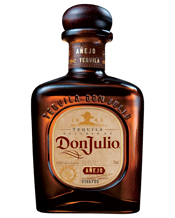
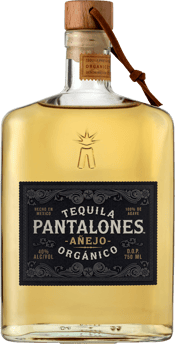
Like just about every other spirit, tequila is aged in oak. Reposado tequila can be aged for between 60 days and one year, while añejo (which just means ‘old’) can be aged up to three years. You’ll end up with extra flavours like caramel, vanilla and honey.



%20(1)?$dans-daily-web-image$&hei=900)
?$dans-daily-web-image$&fmt=png-alpha&wid=800)