


Here's why Stuart Gregor – the co-founder of Four Pillars Gin – is so proud of Aussie spirits.
"I'm not sure what the exact catalyst was, but I think I have an idea. If you go back to 2010 – the early phases of the Australian gin boom – there was a liberalisation of licensing laws, which meant a proliferation of small bars; first in Melbourne, then Sydney, then across the country. Small bars meant more interesting cocktails, which meant there was more focus on local craft spirits.
"People started looking around, wondering why Australia wasn't making gin, or rum, or whatever it was. The same applies to the coffee boom – we used to import it from Italy, but nobody stopped to question why we don't just roast it here. For us, we knew that the whisky guys in Tasmania were turning heads, so we figured we should be able to make a gin in the Yarra Valley."
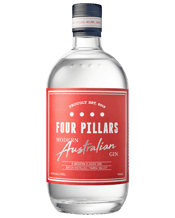
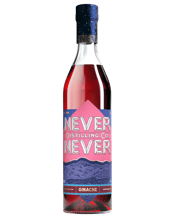
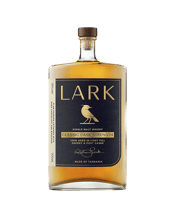
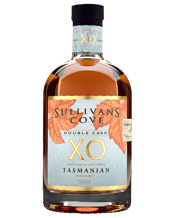
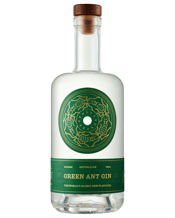
"I think the real renaissance began in the 90s with Lark and the other Tasmanian whisky distilleries, who were building a reputation within Australia. Then, in the 2010s, Sullivan's Cove came onto the world whisky stage by winning some big awards, and that turned plenty of heads. The last five years have seen Australian gins gaining recognition and winning awards across the world, whether it's Four Pillars, Kangaroo Island, Never Never or whoever.
"In regards to Four Pillars, there are two things that stand out for me. The first is our double gold medal in San Francisco in 2014, which we won within six months of existing. We just thought, wow – an American show, which has never heard of us, has awarded our gin their highest honour. The second is when we won International Gin Producers in 2019, then again in 2020. It was a phenomenal moment to win it once, but to do it again? That meant the world to us. I never thought we'd win, so it was a pretty good day."
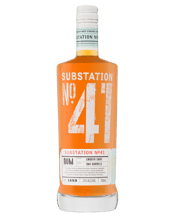
"One of the great days for Australian distilling was only recently, in April [2021], when the government gave the industry a tax break. It was announced we'd receive a $350,000 excise fee waiver and that, I think, was an incredible day. It means so much to the small distilleries as now they may be able to make a profit, be a sustainable business, employ locals and improve regional tourism. Unlike wine, you can make spirits anywhere: my favourite rum distillery is in Kununurra, in northern WA, and there's a guy planting agave in Western Queensland to try and make the Australian version of tequila. There's whisky down in Tasmania, and gin being made all over the country, so there's opportunity everywhere.
"There's also a trend of Australians wanting to drink less, but drink better, and that's good for distilleries as people are happy to spend a little more on something that's interesting and of a really high quality. I think there are massive opportunities in export too. Most of our small distilleries haven't had a moment to think about exporting because so many of them are so young. They haven't even existed for five years, so we have an opportunity to build a really strong domestic industry, then share it with the world."







%20(1)?$dans-daily-web-image$&hei=900)
?$dans-daily-web-image$&fmt=png-alpha&wid=800)