

Different drops or two names for the same thing? Let’s settle this.
Both Tequila and Mezcal are distilled from the agave plant; however, there are some 50 species of agave from which Mezcal can be produced, whereas Tequila can only be made from the ‘agave Tequilana’, also known as blue agave.
To make Mezcal, agave plants are harvested and trimmed until only the hearts remain. These are then placed in an underground pit and roasted for four days – giving Mezcal its famed smoky notes – before being mashed, grinded and left to ferment in water. This fermented mash is then blended and either bottled and sold or left to age in oak barrels. It’s a traditional process that really hasn’t changed all that much over the last couple of centuries.
The heart of the agave plant is also the key ingredient in Tequila, though it has to come from the blue agave, as we already know, and is baked in an oven rather than roasted underground. After three days of baking, the heart’s sap is extracted and the sugar-rich liquid is fermented in alcohol then concentrated into a spirit through distillation. Like Mezcal, the Tequila may then be bottled and sold immediately or aged in casks.
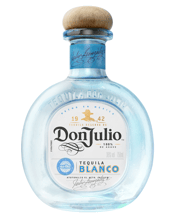
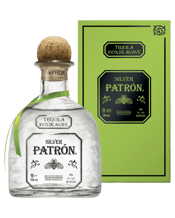
Tequila can be sorted into three age classifications: ‘blanco’, ‘reposado’ and ‘añejo’. A ‘blanco’ (or silver) tequila is clear in colour, generally unaged and highlights those zesty flavours and punch so often associated with Tequila. A ‘reposado’ Tequila will have been aged in oak barrels for 2–12 months, a process that softens the sharpness and brings some vanilla and melon flavours to the table, while an ‘añejo’ is a tequila that’s been aged for at least one year. These are the more complex and refined tequilas, often with more butterscotch flavours and less of a kick.
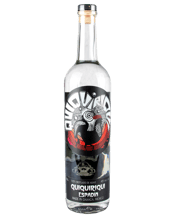
Mezcal is also classified using the ‘blanco’, ‘reposado’ and ‘añejo’ age brackets, but because of the varieties of agave plant used to make the spirit, there’s a lot more to its flavours than age.
The most prevalent species of agave used for Mezcal is ‘espadin’, which makes up the vast majority of production. The taste can vary quite dramatically between producers, though it does have a very similar genetic makeup to the blue agave so it often tastes similar to Tequila.
You’ve then got the ‘tobala’ agave, which makes what’s known as the ‘King of Mezcals’ – a fruitier, sweeter spirit than ‘espadin’ Mezcal. The ‘tobala’ agave plants take around 15 years to mature and their hearts, which are used for Mezcal production, are much smaller. As a result, these ‘tobala’ Mezcals are in shorter supply, higher demand and, consequently, more expensive. There are a bunch of other species used, but ‘espadin’ and ‘tobala’ are the two most common.
The coolest thing about Mezcal is that the final flavours are always a surprise and really reflect the local terroir. Crack a bottle of mezcal and you may be greeted with anything from citrus fruits to chocolate notes or perhaps the smoky characteristics for which the drink has long been celebrated. It means that there’s plenty of Mezcals to try and yes, there’ll be an expression out there that’ll appeal to even the staunchest anti-Tequila campaigner.