


Yep, it can, and some of the best ones are made right here by our own Aussie brewers.
The key ingredients in beer are water, hops, yeast, and grain. The grain component, usually malted barley, contains gluten, and this is essential for imparting flavour and producing alcohol. If you’re looking at a beer and it contains malt, barley, rye or wheat, then that beer will contain gluten. If you’re gluten-free, unfortunately these beers are not for you.
However, some beers are indeed gluten-free. To determine whether a beer is gluten-free or not, most people would simply read the label. If it says ‘gluten-free’, then there’s no gluten in it, right? Yes – and no. You’re on the right track, but there’s more to the story, and the finer details are particularly important for those living with Coeliac disease, or a gluten intolerance.
In the world of gluten-conscious beers, there are two main styles: gluten-free and gluten-reduced. A gluten-free beer is brewed, beginning to end, without any ingredient that contains gluten. A gluten-reduced beer is a beer that’s brewed with ingredients that do contain gluten, and then chemically modified so that, in some countries, it can be labelled as gluten-free.
Australia and New Zealand are among the countries with the strictest standards when it comes to gluten-free labelling. According to Food Standards Australia New Zealand (FSANZ), for a product to be labelled gluten-free it must contain no detectable gluten at all. By contrast, the US Food and Drug Administration (US FDA) allows gluten-free labelling to be applied wherever the gluten level is measured at 20 parts per million (ppm) or less. In Australia and New Zealand, 20 ppm is permissible only in products labelled low-gluten.
To make a gluten-reduced beer, brewers modify their brew with special enzymes that break down the gluten proteins into teeny tiny compounds that may not cause an adverse immune response. That said, if the beer is not labelled gluten-free, by FSANZ standards, then the beer may still contain traces of gluten, and may not be suitable for Coeliacs or gluten-intolerant people.
To make a gluten-free beer, brewers turn to gluten-free grains such as rice, sorghum or buckwheat. Beers produced with these grains are, more or less, guaranteed to be gluten-free. Since these beers are not made with malted barley, brewers often tweak the traditional brewing process to ensure their beer tastes just like any other.
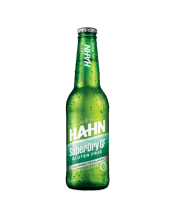
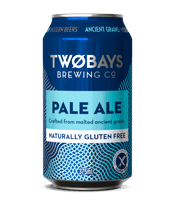
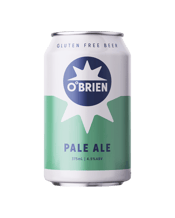
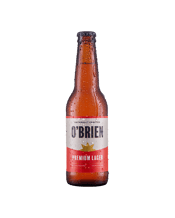
Without a dedicated gluten-free brewing set-up, breweries that produce both regular and gluten-free beers must thoroughly clean and maintain their equipment to ensure there’s no cross-contamination. These processes are commonplace, and can effectively produce a gluten-free product, however they require additional labour and vigilance. As a result, some breweries run 100% gluten-free operations. Breweries such as Two Bays Brewing Co., Australia’s first dedicated gluten-free brewery and taproom, and O’Brien, Australia’s most awarded gluten-free beer, are leading the charge with beers brewed using gluten-free malts such as millet, buckwheat and rice.






%20(1)?$dans-daily-web-image$&hei=900)
?$dans-daily-web-image$&fmt=png-alpha&wid=800)