


An experienced homebrewer offers his advice for getting started.
From the biggest selling brews to the craftiest of ales, there are just four ingredients required to make beer: hops, malt, water, and yeast. Over the last 8000 years, through tweaked methods and combination ratios, brewers have turned those same four ingredients into the rich world of beer that we know today.
If you’re a beer lover there’s no doubt you’ve toyed with the idea of brewing a concoction of your own. In recent years homebrewing has gotten simpler, more affordable, and more interesting than ever before. There’s never been a better time to give it a go.
At Dan Murphy’s our resident homebrewing expert is Nick Olle. He might work in our Fine Wine team, but his knowledge of beer is next level. Nick was an early-adopter and his love for frosty ones came just before the craft beer boom. Eventually it became a hobby when he decided to take the plunge into homebrewing over 10 years ago.
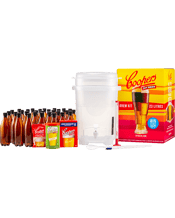
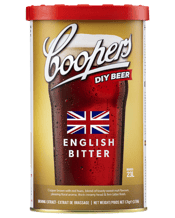
Like most amateur brewers Nick’s first foray began with a Coopers DIY Home Brewing Kit. “The Coopers kit was a great place to start. It gave you everything you needed and made it really simple,” says Nick. “My dad was homebrewing long before he had me. And he always talked about it as a really crafty, complicated sort of hobby. You would have needed quite a lot of equipment back then. But these modern kits make it so simple.”
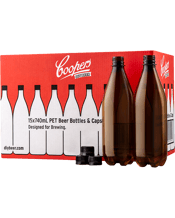
The Coopers DIY kit comes with everything that you need to make 23 litres of great tasting beer. From a patented fermenter to PET bottles, caps, and brewing extract, all the equipment and ingredients are ready to go. Over the course of three weeks you make your bespoke brew in just four simple steps: mixing, brewing, bottling, and enjoying.
The steps are easy to follow but Coopers also provides instructional videos and an expansive online forum to help you along the way. It’s a window into a booming online community of amateur brewers, sharing advice and supporting each other. “It's a great community. There’s so much advice out there for any level.”
One key step Nick recommends getting right before you begin is figuring out where to keep your beer during the fermentation stage. “Keeping the temperature consistent during fermentation is going to help you a lot. So set up somewhere with good ventilation and a pretty solid temperature. Like a garage, shed, or laundry would be perfect,” he says.
Years after his first batch, Nick’s setup has become a little more elaborate than his first Coopers kit. These days his homebrew proudly takes up a corner of his shed, where he now regularly kegs his own beer. He’s even set up a keg fridge and tap to serve draught beer from home. It’s something his mates have taken a particular liking to. “The only sad part is that I'm not really keeping up with demand. Now I actually have periods without beer,” Nick laughs.
Nicks’ final advice before you rush out and buy an elaborate setup like his is to start small, again singing the praises of the Coopers kit. “First find out if the hobby is for you. And then there's plenty of places you can take your hobby after that. Talking to just about any craft brewery in Australia, they'll probably tell you that they started very similarly and turned that hobby into a dream.”
Ready to give homebrewing a try? Our home brewing range has everything you need to get started.




%20(1)?$dans-daily-web-image$&hei=900)
?$dans-daily-web-image$&fmt=png-alpha&wid=800)