


No, port isn’t just for your dad. Sip it or mix it – this is one seriously underrated fortified wine.
Port is part of the fortified wine family, which also includes Frasier’s favourite tipple, sherry, plus others like muscat, madeira and vermouth. The word ‘fortified’ really just means the wine has had a spirit like brandy added to it during production, traditionally as a way to stop fermentation and preserve the wine. That added spirit also gives the finished wine a higher alcohol content than your usual table wine – often sitting up around 20% ABV.
All those different fortified wines we mentioned have their own specific grapes, production methods and regional specifications. We could get completely lost in all the details so let’s get through the port facts at a glance:
- Where it’s made: If it’s called ‘port’, it has to be from Portugal – the Douro Valley, specifically. Like the naming rules around Champagne, it means you can make port outside Portugal but can’t call it port. We make plenty here in Australia in places like Barossa and Rutherglen.
- What it’s made from: In Portugal, port has to be made from certain grape varieties (like touriga nacional and tinta roriz/tempranillo) but we’re not so fussy in Australia, making our version from grapes like grenache, mourvedre and shiraz. Usually, brandy is added to fortify it.
- Types of port: There is more detail below, but port comes in a few forms, including vintage, tawny, ruby and white. In Australia, we drop the word ‘port’ for legal reasons, as mentioned above, but you’ll still see the other descriptors.

Vintage: When a grape-growing year is exceptional, winemakers might turn that into a special type of port called ‘vintage’. Vintage ports are bottled with their lees (that’s yeast) and so they keep developing over time. And man, they can live a long, long time – well over 100 years in the best examples. To be a vintage port, the wine in the bottle must come from one ‘vintage’ or production year.
Tawny: In Australia, we use the term ‘tawny’ to describe most port-style fortified wines since we can’t legally call it port. Traditionally, tawny is a blend of wines aged in oak barrels, slightly oxidised to give a rich, nutty flavour. Tawny is usually an affordable wine full of nuts and dried fruit flavours. Some tawnies can have a vintage year on them, too, although it’s not the usual approach.
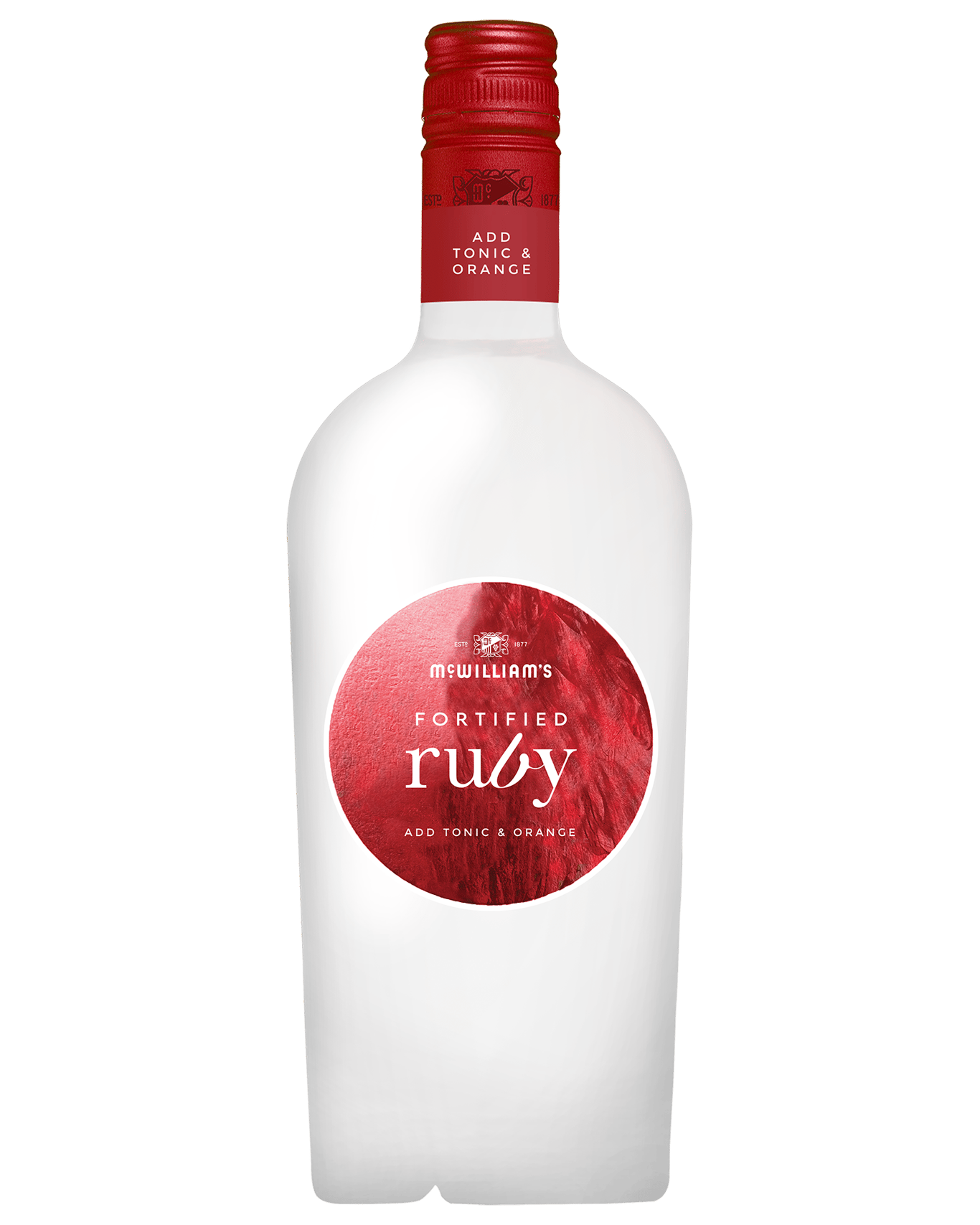
Ruby: Ruby port is typically the most affordable, most approachable kind. They’re lighter in style, aged in concrete or stainless steel, and designed to drink now.
White: Most port is made from red grapes but it doesn’t have to be. White port is made from white grapes and ranges from very dry to quite sweet. White port can also make for a sneaky hit of a mixer.
The best part about port is that it can be whatever you want it to be. It’s a sweet, dessert-style sipper for the cooler months (we’re generally talking vintage or tawny here), a summer chiller (white or maybe ruby) or a perfect mixer for a huge spectrum of drinks. The two main servings are straight and mixed.
Straight
If you’re drinking a vintage, tawny or ruby port, the usual way to serve it is pretty much the same as a red wine – just find a wine glass and serve it at room temperature. You could also use one of those classic port/sherry glasses that are classic op-shop finds, but a big wine glass lets all those rich, nutty aromas shine through.
If you’re drinking white port, you can definitely serve it just the same as the other types above (that is, room temperature in a wine glass), but it’s also great when chilled down in the summer or even served over ice.
Mixed
This is where port gets cool. Honestly, if you’re not mixing port, you’re missing out because there are so many ways to go.
The biggest mixed port drink is called the porto tonico – a white port and tonic. White ports are usually fruity, floral and a little sweet, which makes them a perfect counterpoint to the bittersweet flavour of tonic. To make it, go for a 1:2 ratio of port to tonic – so 100ml of port to 200ml of tonic, for example – and plenty of ice.
Port cocktails include the spooky Side Eye, which mixes a classic dark port like tawny with vodka, curacao, pineapple juice, lime and passion fruit.
Otherwise, feel free to sub your favourite port into anything you think might work. Use a little port to add sweetness to sangria, sub gin for white port in a Negroni, make a hot mulled port or use a rich, dark port anywhere that calls for a heavy rum. Go wild – port is welcome just about anywhere.
Traditionally, port is served as a digestif, which means you have a little glass after a meal. This is a fabulous option, of course (and it is especially good with a sweeter, richer style like a vintage or older tawny), but don’t miss out on port and food pairings.
Classic port and food pairings are sweeter ports with cheese (try it with anything creamy or salty and thank us later) and desserts (vanilla ice cream and a nutty, rich port? Heck yeah) or dry ports with little nibbles like nuts and charcuterie. If you’re talking about a porto tonico, you could easily serve that with anything from salty crisps or fries to barbecued chicken – it’s honestly that versatile.
10 ports to try
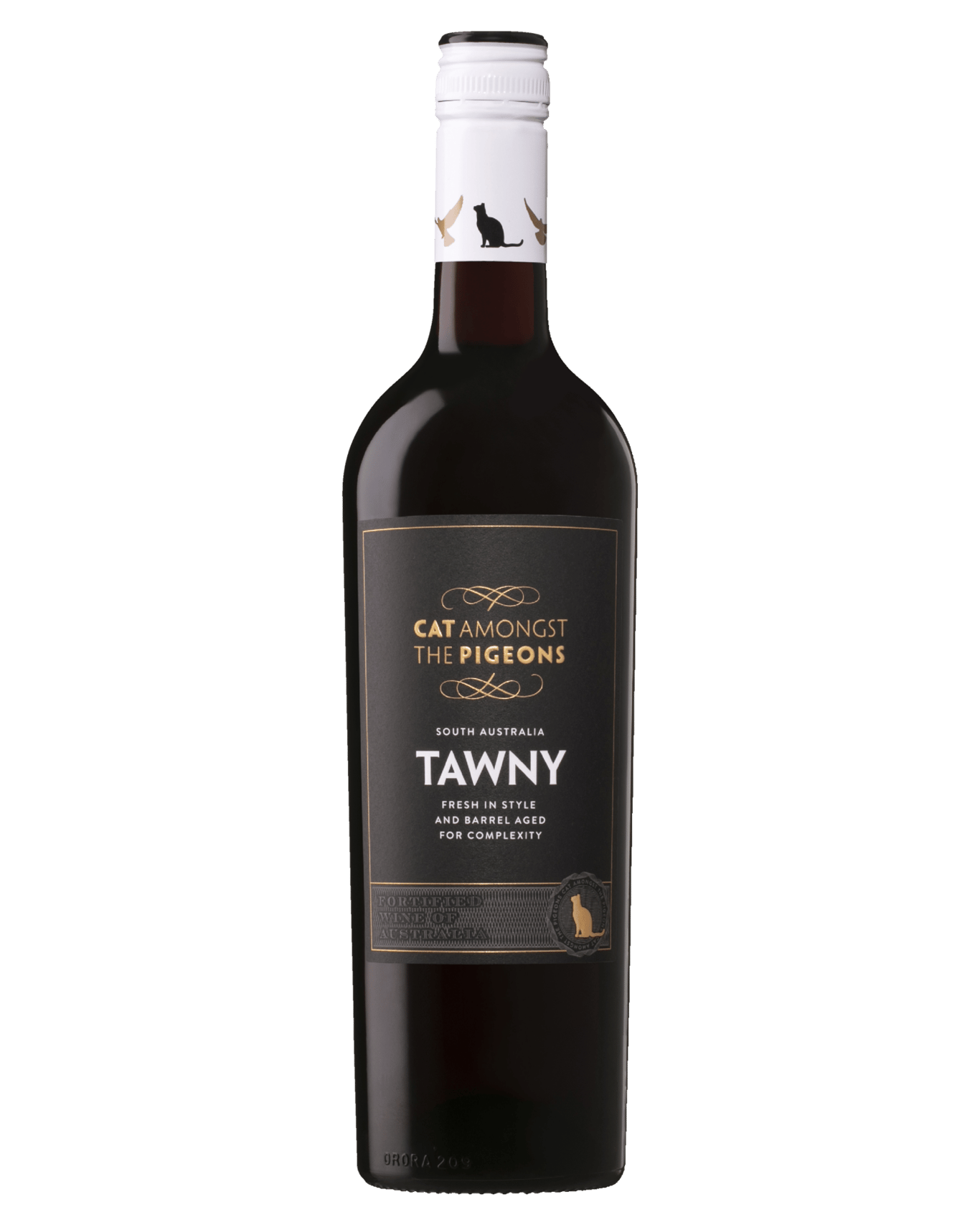
1. Cat Amongst the Pigeons Tawny
This is a great price to entice newcomers to try tawny, helped by the fact that this is a relatively new release, which is rare for this fortified wine. You’ll smell caramel and lifted spice, and these aromas lead to a fresh style of tawny. While it is clean and lively, aged characters and complexity also shine.
Click image to shop
Click image to shop
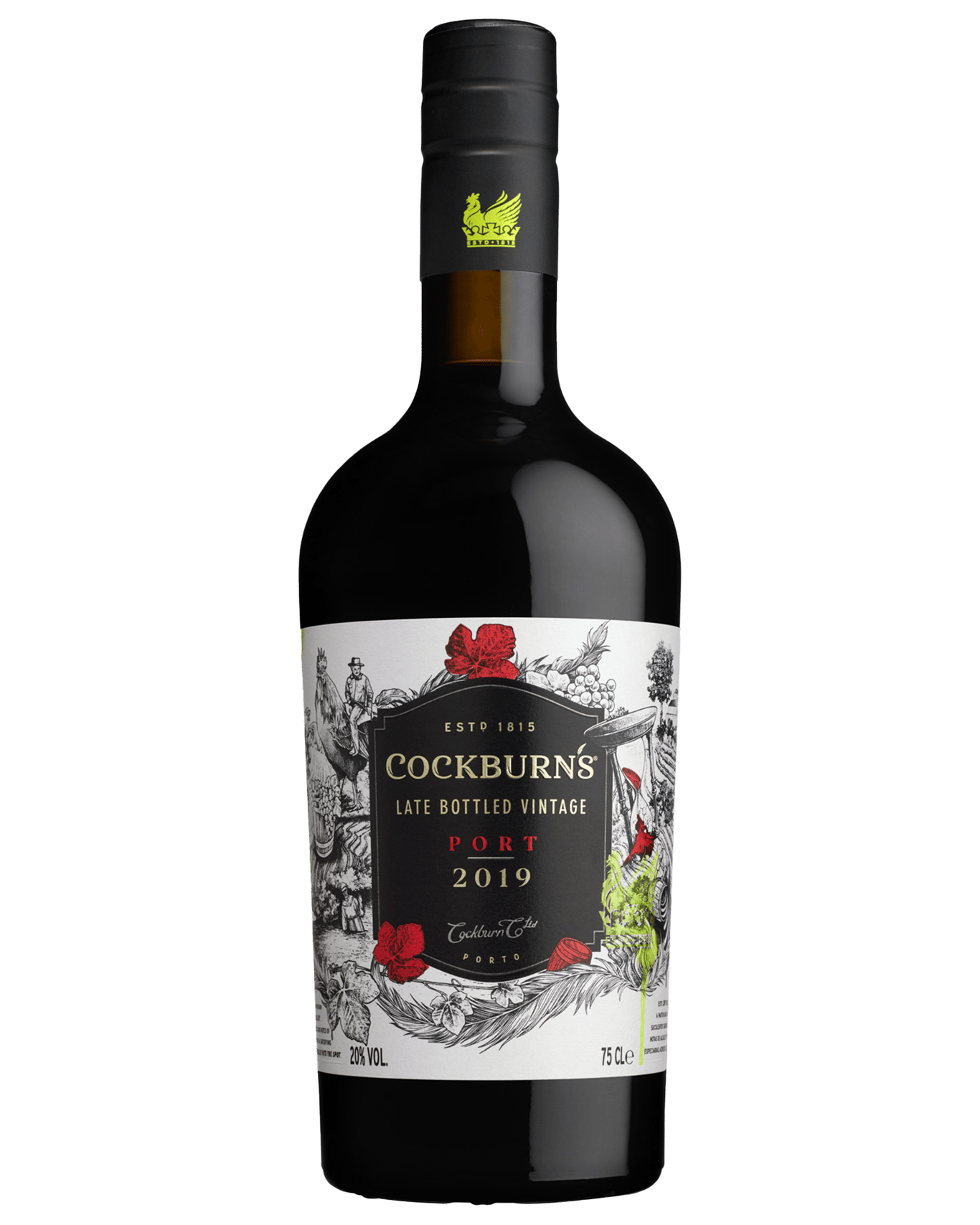
2. Cockburn’s Late Bottled Vintage Port
Made from one vintage and left to do its thing in oak for four to six years, this port from Portugal is rich and complex. There are notes of morello cherry and dark chocolate, and if that doesn’t get you intrigued, perhaps knowing there’s an underlying spice in here might just get you over the line.
3. Penfolds Father 10 YO Tawny
When you think of Penfolds, you may picture lots of high-end red wine. If that’s the case for you, chance are you’ve been missing some excellent fortified wines. This tawny is aged for an average of 10 years, and it has vibrant fruit flavours and a nutty oak notes. Sweet and rich, but finishing fresh, this is a great balance of everything we love in a tawny.

Click image to shop
Click image to shop
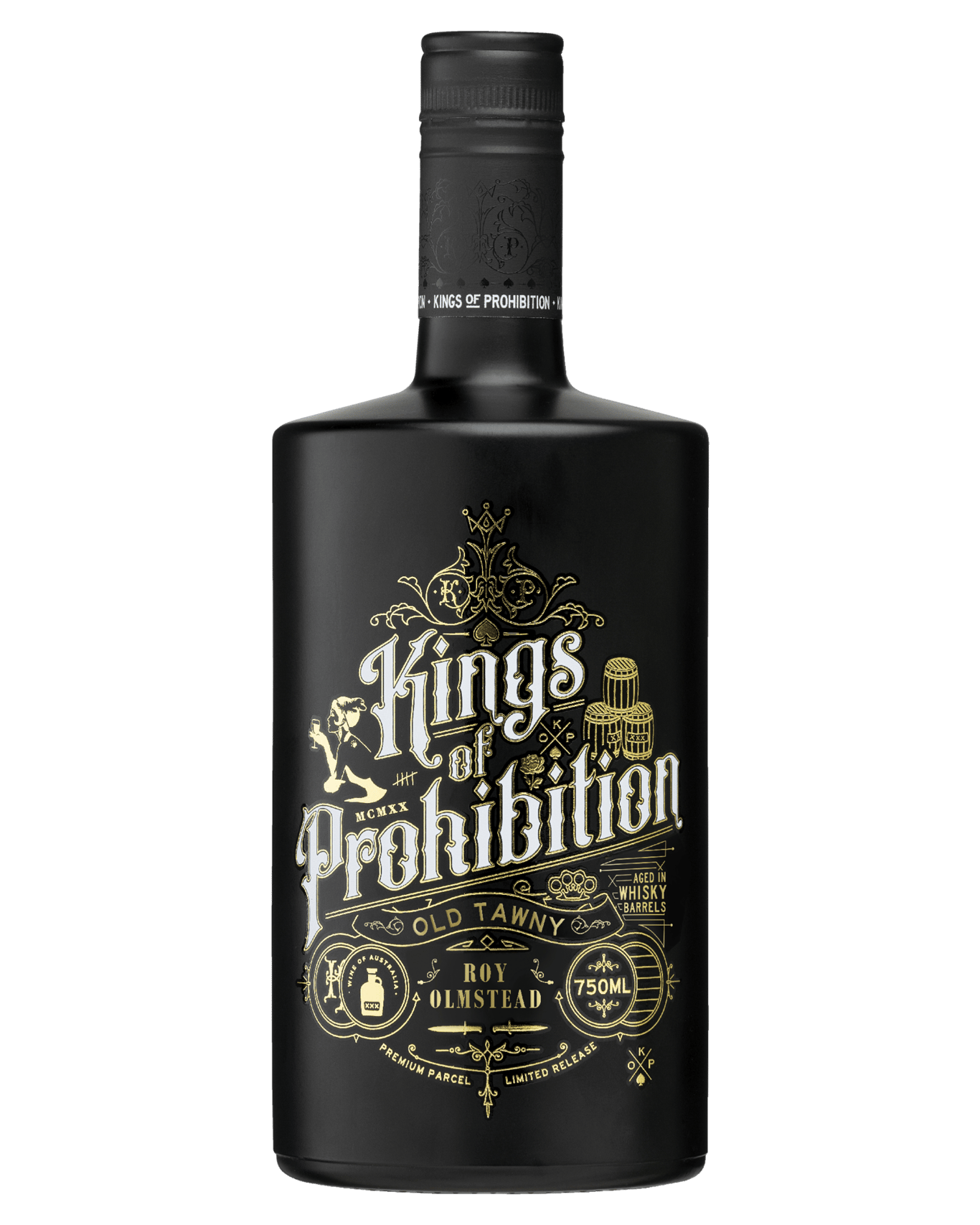
4. Kings of Prohibition Old Tawny
This is your classic tawny. Chockful of dried fruit and nut flavours, you’re looking at a dessert-friendly port that would be best alongside a hot chocolate brownie or sticky date pudding. Plus, any port named the Kings of Prohibition is going to sit well in a cocktail – maybe with a touch of dry ginger for a fun twist on a Dark ‘n’ Stormy?

Click image to shop
6. Pinchgut Cinnamon Aged Tawny
Here is a modern take on port. You’ve got a tawny infused with cinnamon, ending up with the sorts of warm spices and vanilla notes you’d expect in a spiced rum. A little sweetness and a complex, spicy flavour profile means you could drink it straight or get creative with a cocktail. A tawny-infused take on a Hot Buttered Rum, anyone?
7. Little Giant Fine Aged Tawny
If you want to know what a proper, rich tawny is like, this is the place to start. Like all Little Giant wines, this is about big flavours (here we’re talking about raisins, toffee and caramel) and not overthinking it. Try it with a piece of good quality chocolate after dinner. We double dare you.

Click image to shop

Click image to shop
8. Saltram Mr Pickwick’s Particular Fortified
Don’t be fooled – while Mr Pickwick (cartoonishly depicted on the label) clearly looks like your stuffy, old-school port drinker, you’d be wrong to overlook this tawny. Here, you get a chance to take a step up into an aged tawny, with the blend at an average age of 20 years. Deep, soft and sippable.
9. Mullet Wines Hard Tawny
It seems that everyone has a mullet these days, and who can blame them. Everything old is new again. We hope the trend continues to port, thanks to this ripping tawny from Mullet Wines, which is all about hefty flavours and concentrated richness. This is toffee and caramel flavours for days.

Click image to shop
Click image to shop
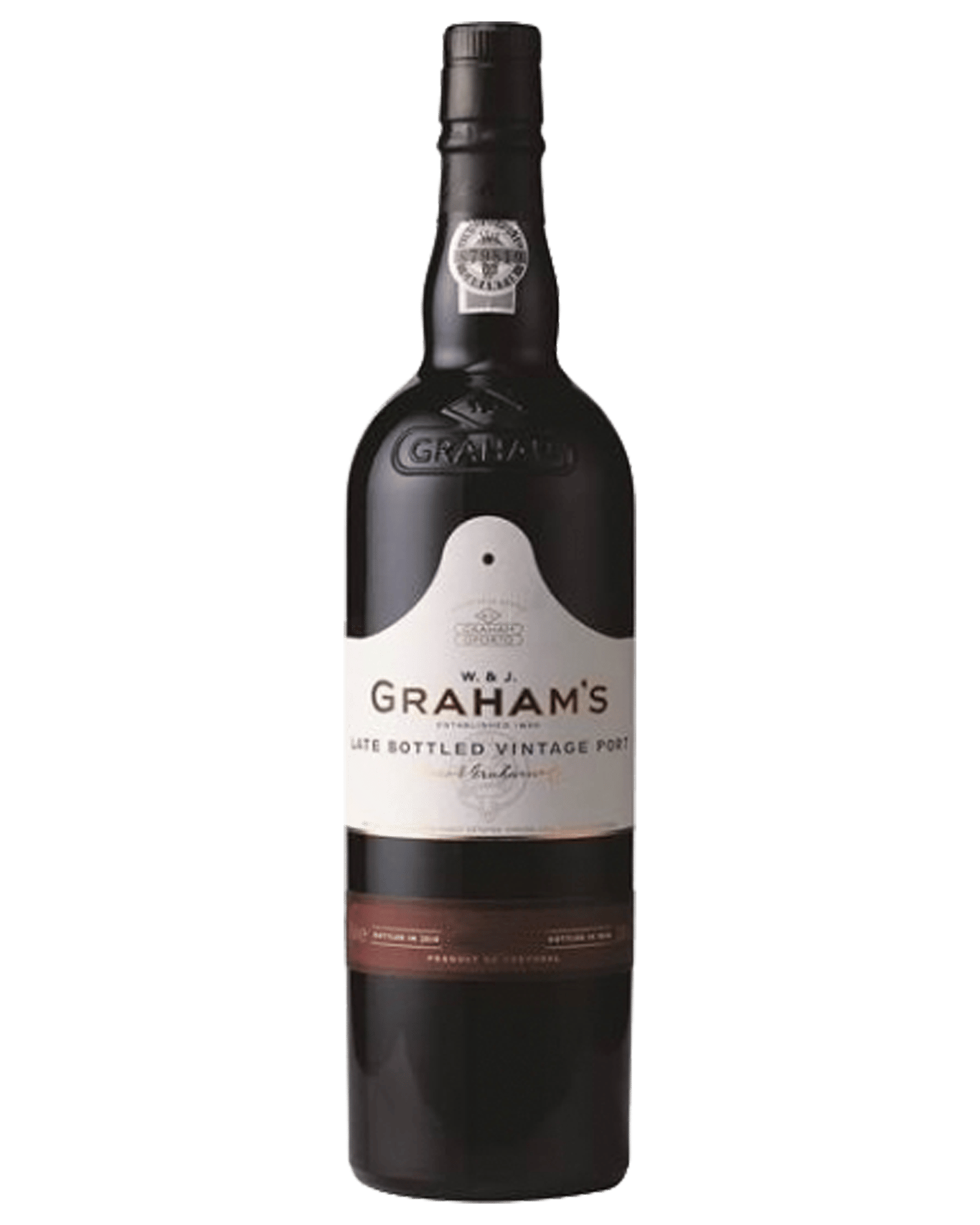
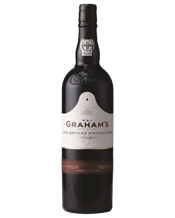
10. Graham’s Late Bottled Vintage Port
Late bottled vintage port is one of the richer, more concentrated expressions you’ll find, and Graham’s do it better than most. Expect baking spices, dried fruits, rich chocolate and toffee flavours with a finish that goes on and on and on. An after-dinner sipper to rival your favourite whisky or liqueur.













%20(1)?$dans-daily-web-image$&hei=900)
?$dans-daily-web-image$&fmt=png-alpha&wid=800)