


From Speyside to Kentucky and Japan to Tasmania, these are the world’s whisky hotspots.
The whisky world is a complex one. It can be difficult knowing exactly what you're getting and every new experience comes with an element of risk, but there are strategies that'll give you best the chance of picking a winner. Like wine, if you educate yourself on the different whisky regions and their typical flavour profiles, odds are you'll end up with something you really love. As a shiraz from the Barossa is different to one from the Yarra Valley, so too is a Kentucky bourbon different to a Speyside Scotch, so this handy guide breaks down some of the more common whisky regions to give you an idea of what you're getting into. Happy researching!
Click image to shop
Whisky from Scotland
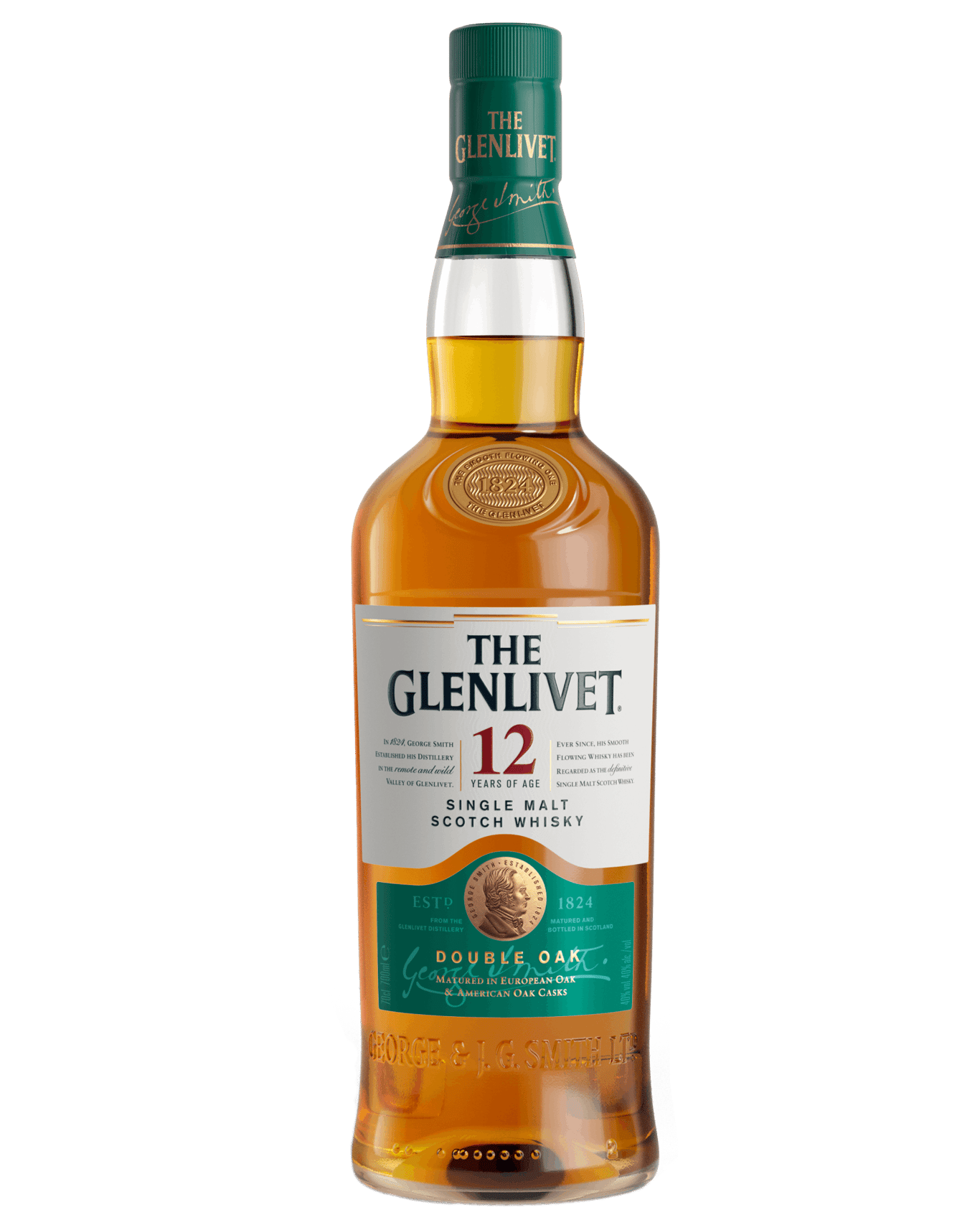
Scottish whisky, known globally as Scotch, is made in five regions: Highland, Lowland, Speyside, Campbeltown and Islay and the Isles. Each of these regions offers something different, proving there really is a Scotch for every palate. For those new to Scotch, a good starting point is Speyside, which has the most distilleries of any Scottish region. It's one of the most popular styles globally and the whisky tends to be light, fruity and very approachable.
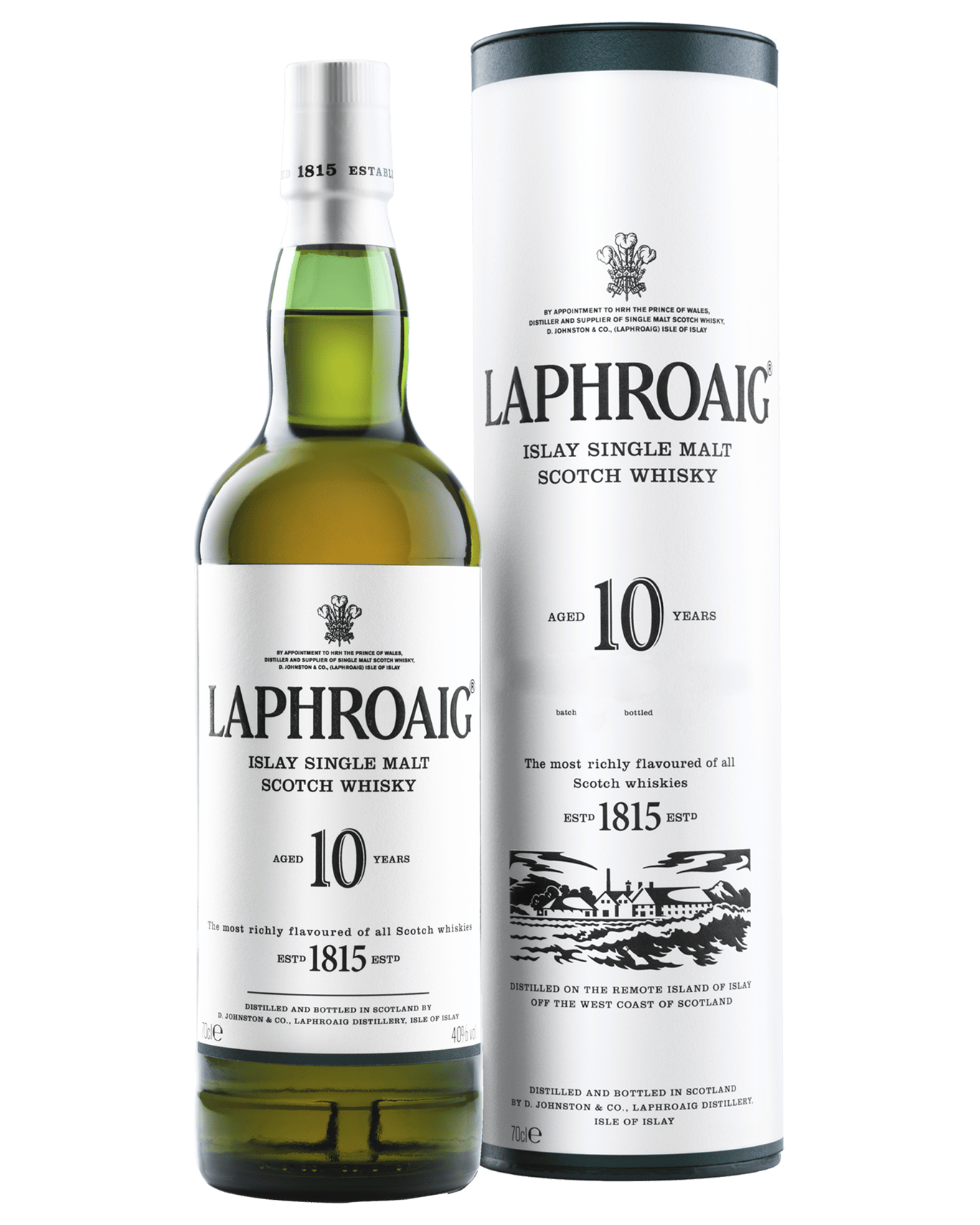
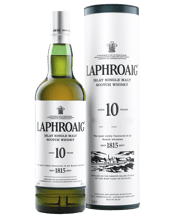
At the other end of the spectrum is Islay, known for its smack-you-in-the-face smokiness as a result of the malted barley being dried out using peat fires.These biting beauties are an acquired taste, so if you've tried Scotch before and found it quite intense and smoky, odds are you were sipping an Islay. It's an adventurous whisky experience unlike any other.
Click image to shop
Click image to shop
The Highland region is a huge geographic area stretching from the tip of northern Scotland to Lowlands in the south, and the Scotch is super varied as a result. Some have coastal characteristics, like brine and salt, while others are fruity, spicy and a little heavier than a Speyside. Because of the variation, it's great to get some assistance in selecting a Highlands whisky if you want to avoid a surprise. Distillery styles are a good guide to selecting Highland Scotch, as most distilleries try to stick to a specific style.
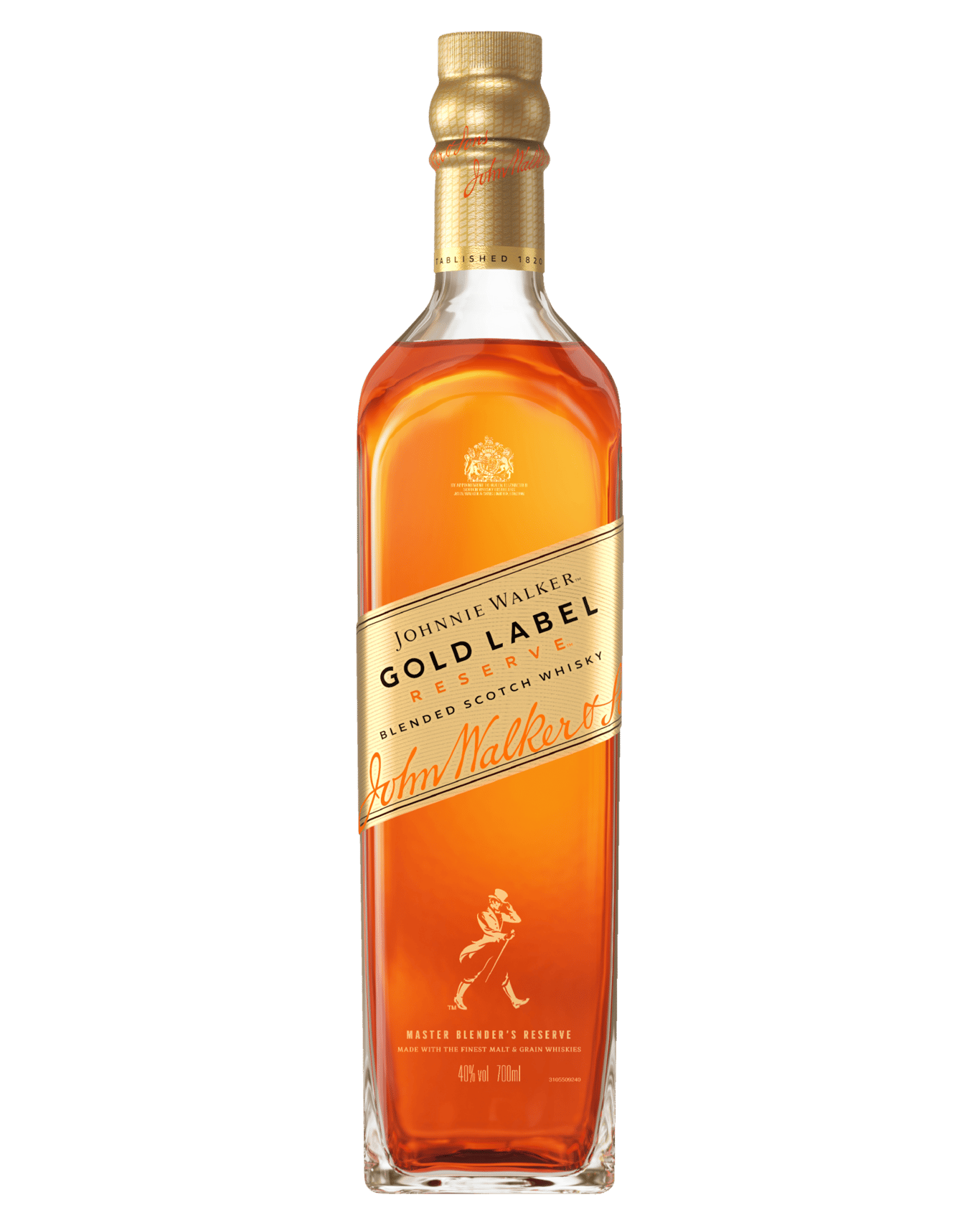
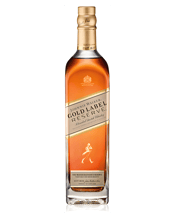
The Lowland region, on the other hand, is known for producing smooth Scotch that's great for beginners. There are relatively few distilleries and the Scotch tends to be nutty, honeyed and caramel. Many blended whiskies, including the famous Johnnie Walker, are actually finished here, with single malts shipped from all over Scotland to be blended with grain whisky.
Try it: Johnnie Walker Gold Label Reserve Blended Scotch Whisky
Whiskey from North America
American whiskey is a big, beautiful beast incorporating bourbon, rye and wheat whiskey, among others. Unlike Scotch, American whiskey is categorised by grain – though Kentucky and Tennessee are still called out as regions – meaning it's easier to identify specific flavours for each style.
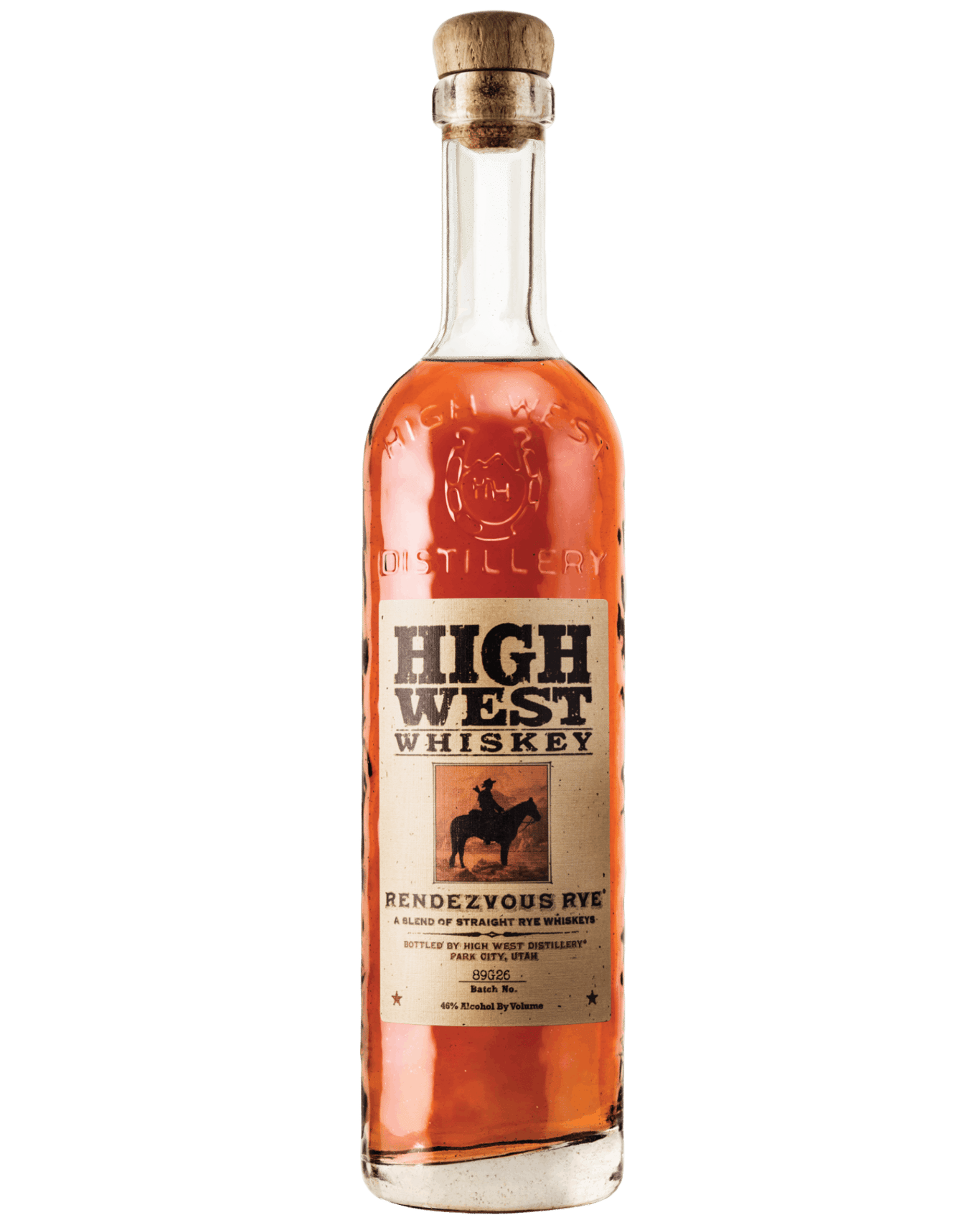
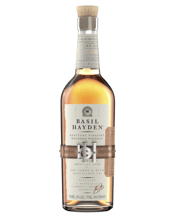
Bourbon must contain at least 51% corn in the mash bill and be finished in charred American Oak barrels that have never been used, which gives it that sweet and spicy flavour profile. Rye whiskey contains at least 51% rye and, as a general rule, comes with a spicy kick. If it has a soft bite, it's likely rye. Smooth and honeyed with notes of caramel and vanilla? You've got bourbon.
Try it: Basil Hayden's Kentucky Straight Bourbon Whiskey, High West Rendezvous Rye
Click image to shop
Click image to shop
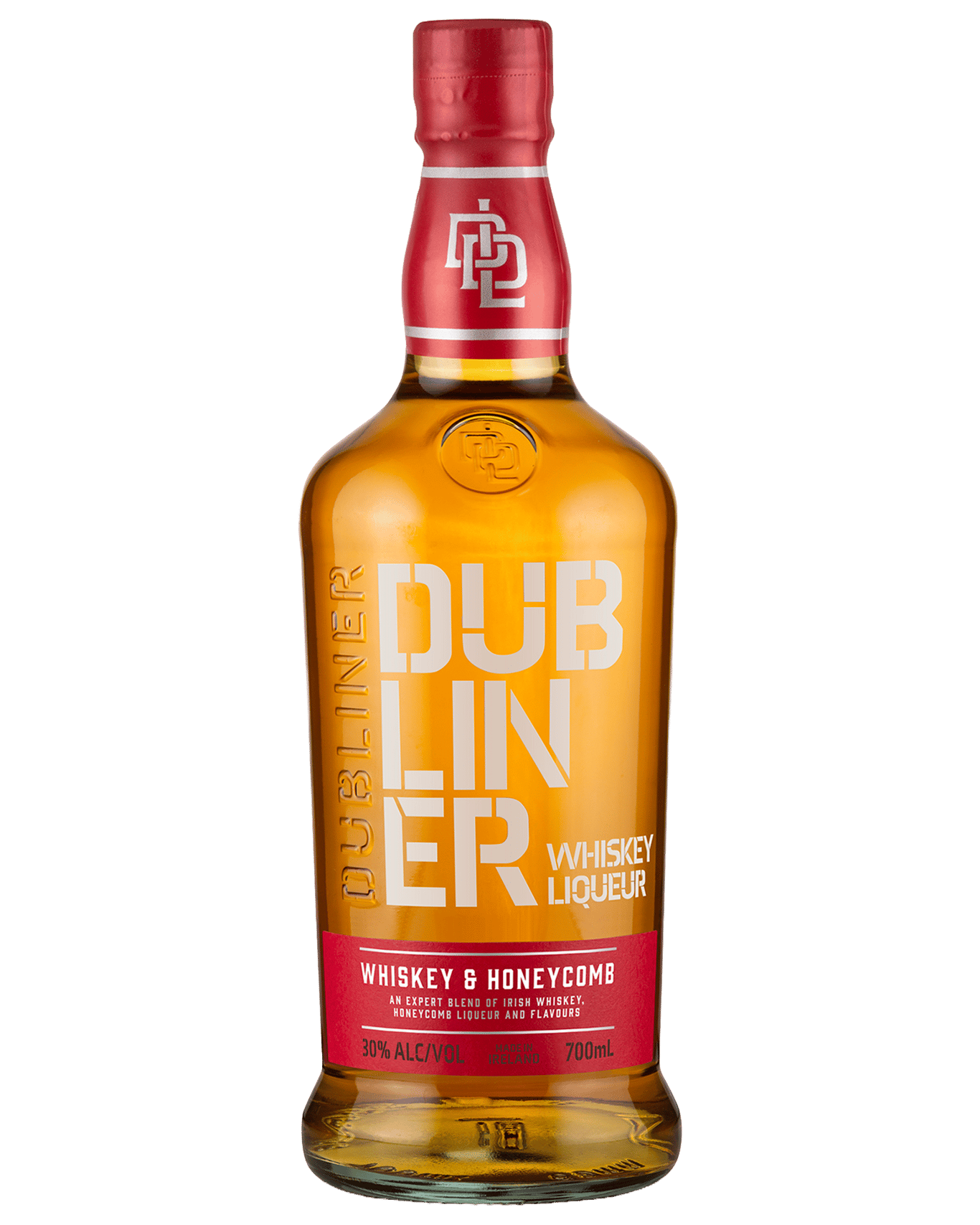
Whiskey from Ireland
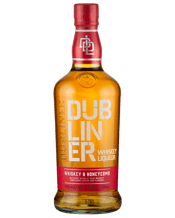
Irish whiskey refers to whiskey made in both Northern Ireland and the Republic of Ireland. It's thought to be the original whiskey and actually predates Scotch, though the Scots may have something to say about that. Generally speaking, Irish whiskey is triple distilled, made from blended grains and aged for a minimum of three years. The result? A famously smooth and drinkable whiskey. It tends to be light and fruity – though there are always exceptions – with oak influence imparted through barrel ageing, showing itself as subtle notes of vanilla.
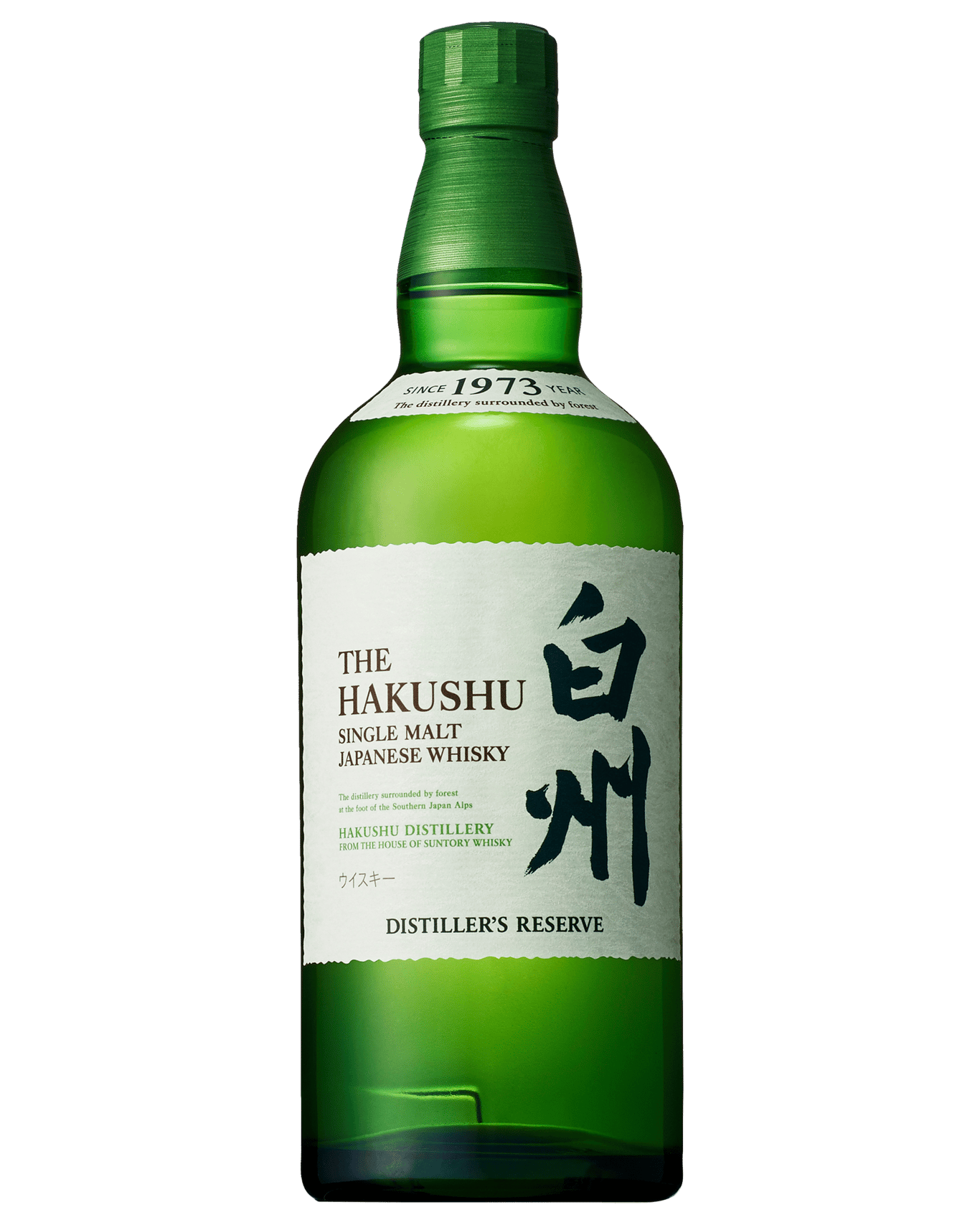
Whisky from Japan
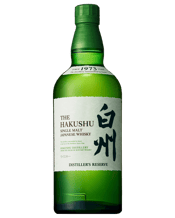
Japanese whiskies have often been compared to Scotch because Masataka Taketsuru, one of Japan's original, and most influential, whisky figures, first learned his craft in Scotland. That said, distilleries have been forging a distinct Japanese style for years now, capturing whisky fans across the globe in the process. Japanese whiskies tend to be really light and a little grassy, most closely resembling the Scotch region of Speyside. It's quite a delicate style and one that will appeal to beginners, typically with some floral, perfumed or honeyed notes coming through.
Click image to shop
Click image to shop
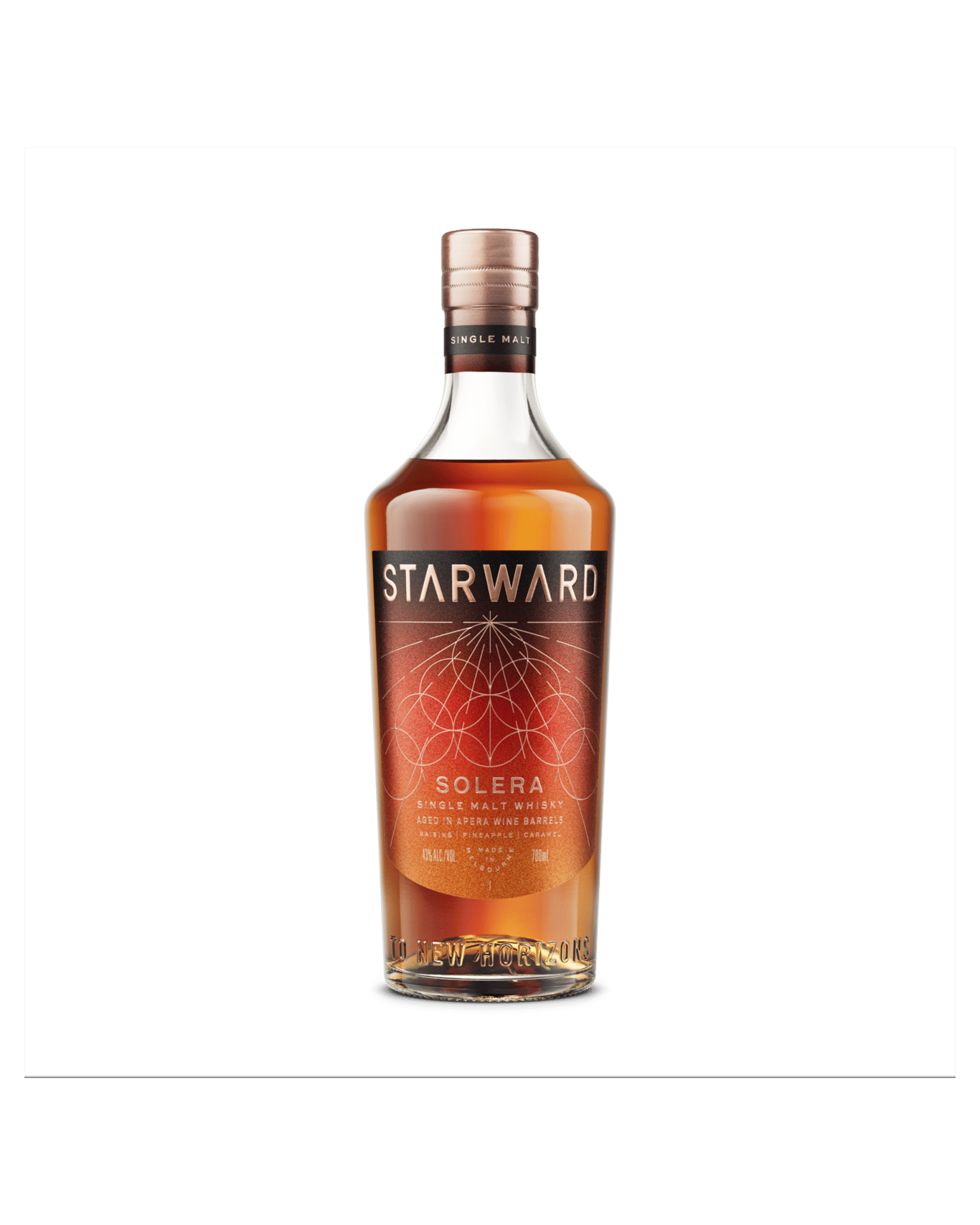
Whisky from Australia
Australian whisky hit the world stage after Sullivans Cove, a Tasmanian distillery, nabbed the award for World's Best Single Malt at the 2014 World Whiskies Awards. The distillery – and the Aussie whisky industry as a whole – has gone from strength to strength since then, picking up a bunch of awards and expanding at a mind-boggling rate.
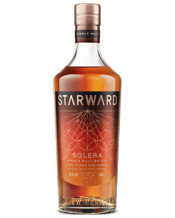
Though Tasmania is no doubt the heartland of Australian whisky, the entire country produces single malt, blend and grain whiskies using top-quality native ingredients. There's a big focus on quality, not quantity, with each distillery working to create the best possible expression with the grain, equipment, barrels, water and climate available to them. There's also a culture of collaboration, with many distilleries making use of wine casks from some of the country's renowned wines to create unique styles and flavours that are starting to make a big splash overseas.



%20(1)?$dans-daily-web-image$&hei=900)
?$dans-daily-web-image$&fmt=png-alpha&wid=800)